Understanding Hair Loss and Its Impact
Body Image and Perception
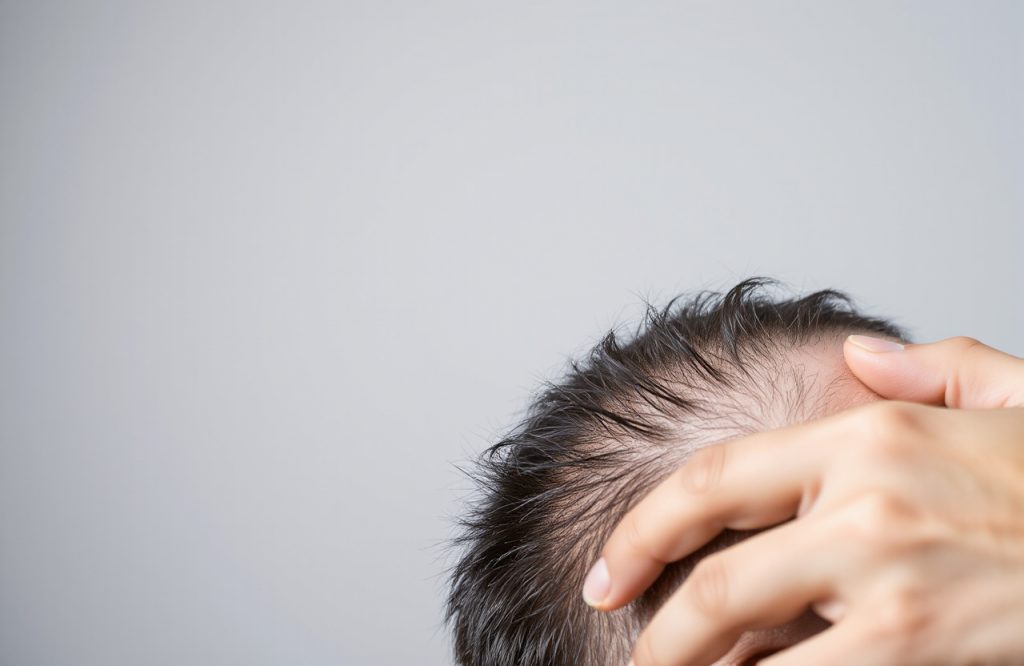
Hair loss can significantly affect an individual’s body image, altering how they perceive themselves and how others perceive them. Various treatments claim to reverse this condition, with platelet-rich plasma (PRP) being among the latest advancements.
Causes of Hair Loss
The primary cause of hair loss in both men and women is androgenetic alopecia, commonly referred to as male or female pattern baldness. In men, this condition often manifests as a receding hairline, particularly at the crown and front of the scalp, while women typically experience thinning hair across the entire scalp.
Treatment Options for Hair Loss
Prevalence and Age Factors
Androgenetic alopecia is not limited by age; it is estimated that over 50% of men aged 30-50 experience this condition. A variety of treatment options exist, including clinical treatments such as topical and oral medications, low-level laser light therapy, and more invasive surgical procedures like hair transplants. Recently, PRP treatments have gained attention as a viable option.
What Is Platelet-Rich Plasma?
Platelet-rich plasma treatment involves drawing a sample of a patient’s blood and isolating the plasma, which contains five to eight times more growth factors than whole blood. This concentration of growth factors is believed to promote healing and has been utilized in various medical fields, including ophthalmology and reconstructive surgery. PRP is recognized for being a minimally invasive treatment that can be administered in a clinical setting.
Platelet-Rich Plasma as a Treatment for Hair Loss
Research Insights
A research team in the USA evaluated the effectiveness of PRP in treating androgenetic alopecia by reviewing 24 studies involving 471 patients (113 women and 358 men) with an average age of 29.6 to 43 years. Most studies excluded participants who had used hair loss medications within 60 days to 12 months prior to the study and those with certain medical histories.
Administration of Platelet-Rich Plasma
The findings, published in Facial Plastic Surgery, indicated that injections were the most common method of administering PRP, with only two studies utilizing it as a topical spray. More than half of the studies employed activated PRP, and the injection sites varied among studies, primarily targeting the front, sides, and back of the scalp. Treatment regimens also differed, with most participants receiving three to six treatments at one-month intervals.
Effectiveness and Safety of PRP
Overall, PRP appears to be a promising treatment for androgenetic alopecia. Among the 24 studies reviewed, 21 reported positive outcomes following treatment. However, in three studies where patients received only one or two treatments, satisfaction levels remained high. PRP treatment was found to be safe, with few studies reporting minor complications, mainly temporary pain during injection and mild swelling or redness at the injection site.
Future Directions for Research
Addressing Inconsistencies
Despite the encouraging results, the research team identified inconsistencies among the studies, making it challenging to determine the optimal preparation, dosage, frequency, and duration of PRP treatments. They also noted the need for further investigation to clarify whether the benefits of PRP are long-lasting or if ongoing treatments are necessary for sustained results. Additionally, variations in patient demographics limited the ability to draw gender-specific conclusions.
Recommendations for Further Study
Given the positive outcomes observed, the research team advocates for continued research to address these questions and to explore the underlying mechanisms by which PRP aids in hair loss treatment.
Reference
Chen JX, et al. Platelet-rich plasma for the treatment of androgenic alopecia: a systematic review. Facial Plast Surg. 2018. Available at doi:10.55/s-0038-1660845.