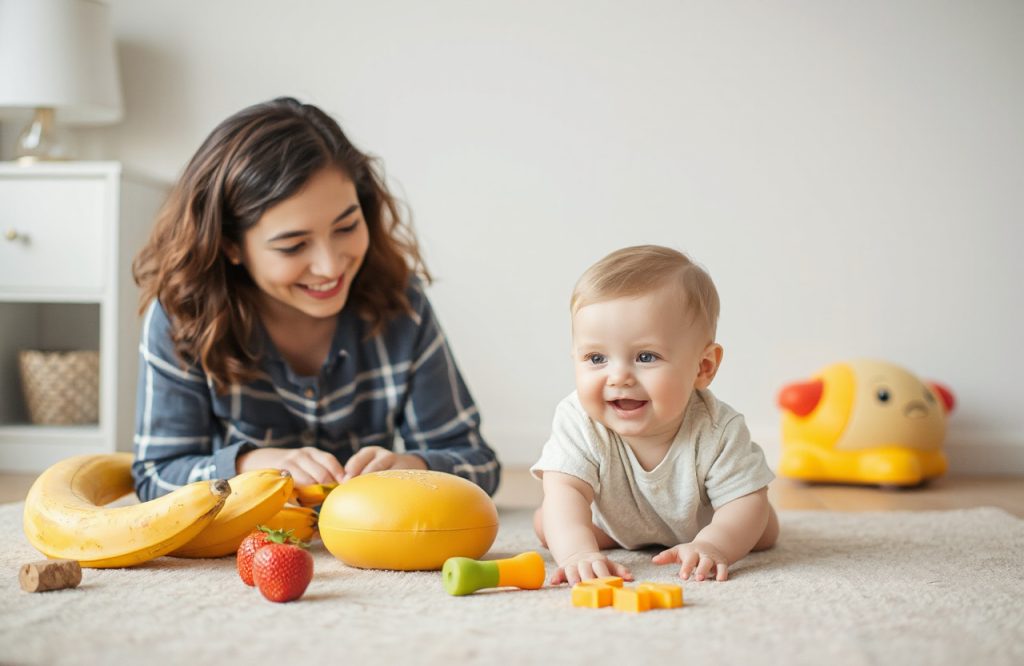
Positive Mother-Child Interactions During Active Play May Prevent Obesity in High-Risk Infants, Study Finds
The Role of Parents in Child Health
Parents play a crucial role in shaping the long-term health outcomes of their children. Various factors, including parenting style, practices, and the parent-child relationship, have been linked to childhood weight development. A nurturing relationship characterized by warmth and sensitivity is associated with healthy weight gain in children, while harshness and neglect are correlated with a higher risk of obesity. Parents not only influence their child’s first experiences with food but also shape non-food behaviors that contribute to obesity risk. Positive parenting during playtime, for example, may encourage physical activity and help prevent obesity.
Research Overview
Researchers from the University of Buffalo investigated the impact of mother-infant interactions on childhood obesity in a cohort of high-risk children. The study involved 216 mother-infant pairs, primarily from low socioeconomic backgrounds, many of whom had used substances such as cigarettes, alcohol, marijuana, or cocaine during pregnancy. Both maternal substance use and socioeconomic challenges are significant risk factors for childhood obesity later in life.
Study Methodology
The researchers evaluated mother-infant interactions during feeding and non-feeding situations, focusing on variables such as maternal sensitivity, warmth, and harshness. For the non-feeding task, mother-infant pairs, aged seven months, engaged in play within a toy-filled room. To assess the impact on obesity risk, the infants’ BMI was measured at regular intervals until they reached second grade. The findings were published in the journal, Obesity.
Key Findings
Kai Ling Kong, the lead author of the study and assistant professor of pediatrics at the Jacobs School of Medicine and Biomedical Sciences at the University of Buffalo, stated, “We wanted to examine if early home environments that promote comfort and pleasurable behaviors that are an alternative to eating can mitigate young children’s food-seeking behavior and thus alter the trajectory of weight gain.”
While no link was found between feeding interactions and obesity risk, the study revealed that maternal warmth and positive child affect during playtime were associated with a healthier BMI and a lower risk of obesity among these high-risk children. This suggests that interactions during active play may be more influential than those during feeding.
Implications of the Study
Historically, research on parental influence has concentrated on feeding interactions. These new findings underscore the importance of positive parenting during active play as a protective factor against obesity in high-risk children. Kong emphasized, “The prenatal period is a sensitive period of health and disease development. Insults that happen in the womb have lifelong consequences. But despite perturbations in fetal development, our study shows that it is possible to mitigate the effect of these exposures during early childhood by warmth, responsive, and sensitive parenting in one’s home environment, especially in active play.”
References
Kong, K. L., Eiden, R. D. & Paluch, R. A. (2019). Early Nonfood Parent‐Infant Interactions and Development of Obesity in a High‐Risk, Diverse Sample. Obesity, 27, 1754–1760.
David Hill. (2019). Study: A mother’s warmth, sensitivity can mitigate obesity risk factors in infants. EurekAlert!
Image by 2081671 from Pixabay.