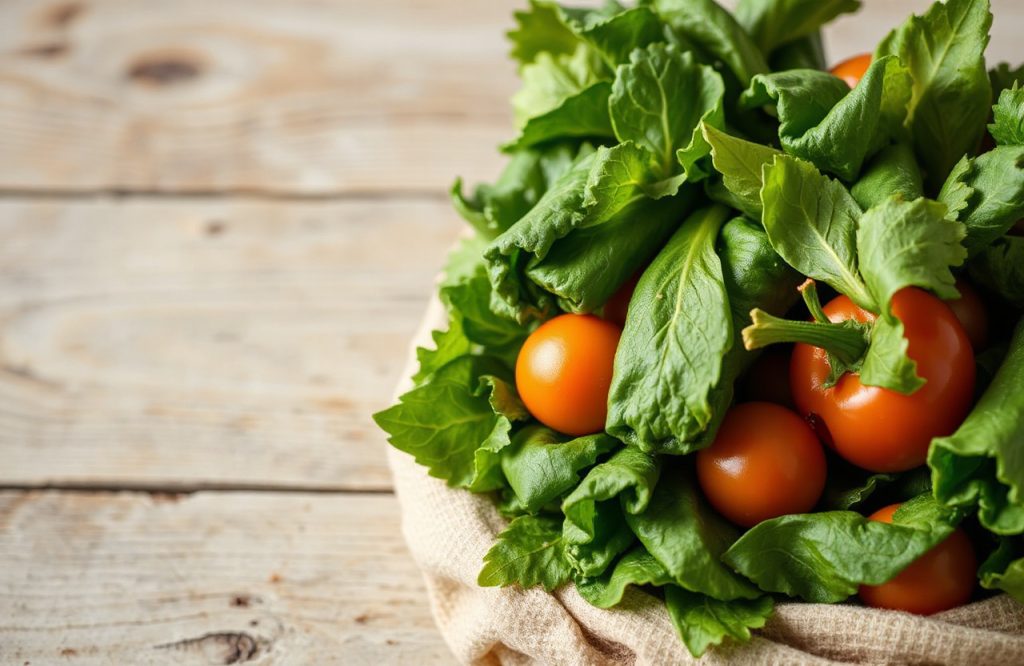
Study Reveals Vegetable Chemicals’ Role in Colon Cancer Prevention
Research Overview
A groundbreaking study published in the journal *Immunity* has uncovered a mechanism by which certain chemicals in vegetables may aid in the prevention of colon cancer. Scientists from the Francis Crick Institute have identified how compounds found in cruciferous vegetables, such as broccoli, cauliflower, and cabbage, can notably lower the risk of developing this disease. The researchers employed mouse models and organoids—clusters of cells grown in a lab to study gut biology—to investigate the role these chemicals play in the growth and differentiation of intestinal epithelial cells.
Importance of Intestinal Epithelial Cells
Intestinal epithelial cells are essential for nutrient absorption and mucus secretion. A decrease in the secretory functions of these cells can weaken gut immunity, increasing susceptibility to intestinal infections. Such infections may lead to tumorigenic changes in the gut epithelium, potentially resulting in uncontrolled cell proliferation and colon cancer.
Crucial Nutrient for Secretory Cell Development
The research highlights indole-3-carbinol, a compound that accumulates following the digestion of cruciferous vegetables. This molecule activates a protein known as the aryl hydrocarbon receptor (AhR), which is vital for the transformation of intestinal stem cells into functional epithelial cells. Insufficient levels of indole-3-carbinol can hinder AhR activation, disrupting the normal development of these cells and promoting unregulated proliferation.
Mechanism of Cancer Risk Reduction
To better understand how vegetable-derived chemicals reduce cancer risk, the scientists conducted an experiment with mice on two different diets. The control group received standard mouse chow, while the experimental group was given a diet enriched in indole-3-carbinol. The reporter mouse model used in the study could activate AhR in the gut lining when fed the indole-3-carbinol diet.
Findings on Tumor Development
Mice consuming indole-3-carbinol showed a significantly lower likelihood of tumor development. Notably, when mice that initially consumed the standard diet were switched to the indole-3-carbinol diet, they exhibited fewer tumors compared to those that continued with the standard chow. Additionally, any tumors that developed in mice after the dietary switch were less aggressive.
Role of AhR in Cellular Regulation
The researchers demonstrated that AhR activation inhibits the aberrant activation of the Wnt signaling pathway, which is closely associated with colon cancer development. AhR acts as a “cellular brake,” maintaining control over this pathway. Without sufficient indole-3-carbinol, AhR activation is diminished, leading to the removal of these brakes, which can disrupt the development of intestinal stem cells and trigger tumorigenic changes.
Future Research Directions
The study authors intend to advance their research to human subjects by examining human-derived gut organoids to determine if their findings will be applicable to human samples.
Author and Reference
Written by Vinayak Khattar, Ph.D., M.B.A.
Reference: Metidji, A., Omenetti, S., Crotta, S., Li, Y., Nye, E., Ross, E., . . . Stockinger, B. (2018). The Environmental Sensor AHR Protects from Inflammatory Damage by Maintaining Intestinal Stem Cell Homeostasis and Barrier Integrity. *Immunity*, 49(2), 353-362 e355. doi:10.1016/j.immuni.2018.07.010