Impact of Pre-Pregnancy Obesity on Child Intelligence
Study Overview
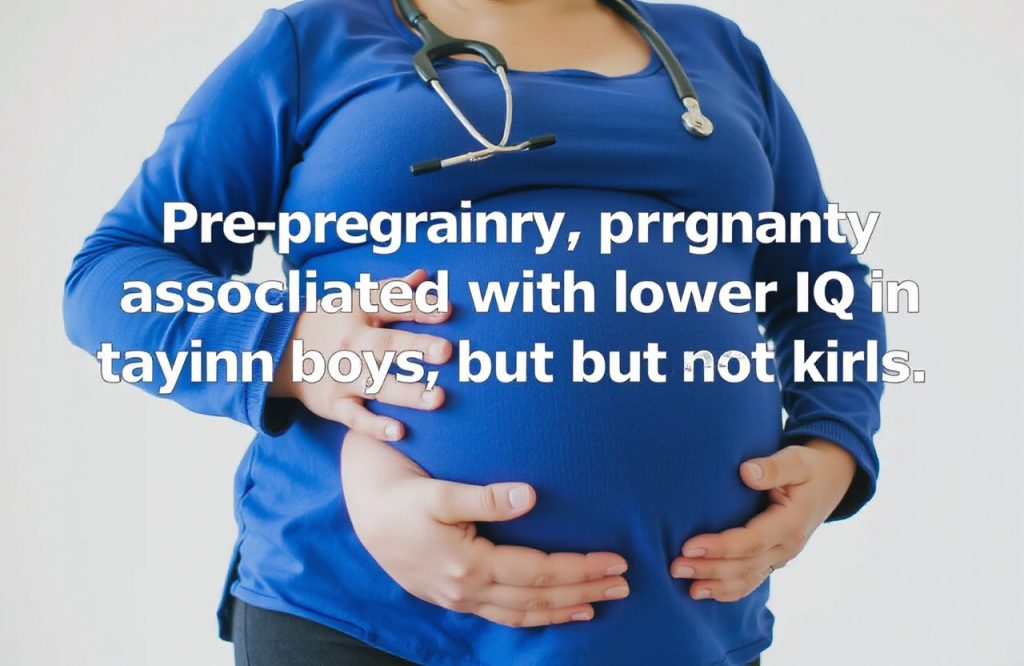
A recent study investigated the correlation between pre-pregnancy obesity and intelligence scores in boys throughout childhood. The research highlights that women’s obesity prior to pregnancy is linked to lower IQ levels in their sons.
Factors Influencing Child Development
Every expectant mother aims to provide the best for her child, but various risk factors, both genetic and environmental, can influence developmental outcomes. Previous research indicates that a mother’s pre-pregnancy weight and weight gain during pregnancy may significantly impact a child’s intelligence, particularly in boys.
Possible Explanations for the Findings
Scientists have proposed several theories regarding the mechanisms behind this association. One possibility is that obesity-related inflammation could impair placental function, which is crucial for nutrient and oxygen exchange between the mother and fetus. Additionally, other studies suggest that toxins stored in body fat may be released during pregnancy, potentially disrupting brain development. The risk of inadequate nutrition in overweight mothers could further complicate a child’s developmental trajectory.
Significance of IQ in Child Development
A child’s intelligence quotient (IQ) is a vital determinant of academic performance and a strong predictor of future socio-economic success.
Research Methodology
The study published in BMC Pediatrics analyzed over 260 pregnant women from lower socio-economic, ethnically diverse neighborhoods in New York City. Researchers assessed the mothers’ pre-pregnancy weight, income, marital status, and exposure to tobacco smoke before and during pregnancy. They tracked weight gain throughout pregnancy and at childbirth.
After the children were born, researchers conducted home visits when the children were approximately three to four years old to evaluate their nurturing environments. At age seven, the children underwent a comprehensive intelligence assessment to determine their IQ.
Findings Related to Boys and Girls
Consistent with earlier studies, researchers found that pre-pregnancy obesity was associated with lower IQ scores in boys but did not show the same effect in girls. Furthermore, boys born to mothers who were not overweight before pregnancy but gained excessive weight during pregnancy also exhibited lower IQ scores. The average IQ difference for boys was observed to be between five to seven points compared to those born to mothers maintaining a healthy weight.
For girls, the only noted difference was a reduction in processing speed, which refers to the rate at which they understand and respond to information.
Home Environment and IQ Correlation
By following the children for their first seven years, researchers examined the relationship between home environments and IQ. Generally, boys raised in nurturing settings had slightly higher IQ scores, with notable improvements in verbal scores contributing to an overall increase of about two IQ points.
Recommendations for Expectant Mothers
The study underscores the importance of weight management for women planning to become pregnant. If managing weight before pregnancy is not feasible, it is advisable to minimize weight gain during pregnancy and ensure optimal nutrition, along with regular intake of prenatal vitamins.
Conclusion
The findings emphasize the significance of maternal health prior to and during pregnancy as a factor influencing child intelligence, particularly in boys.
References
Widen, E.M., et al (2019). Pre-pregnancy obesity is associated with cognitive outcomes in boys in a low-income, multiethnic birth cohort. BMC Pediatrics, (2019). Retrieved 30 December 2019, from https://bmcpediatr.biomedcentral.com/articles/10.1186/s12887-019-1853-4
Obesity in pregnant moms linked to lag in their sons’ development and IQ. (2019). Retrieved 30 December 2019, from https://www.eurekalert.org/pub_releases/2019-12/uota-oip122019.php
Image by Boris Gonzalez from Pixabay.