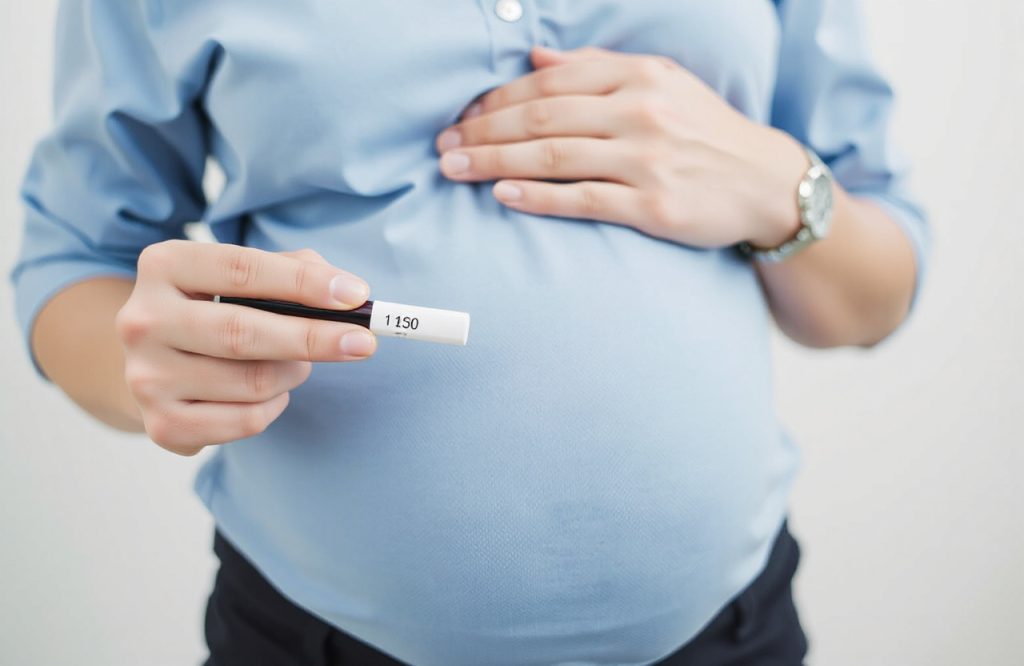
Monitoring Blood Sugar Levels as an Early Indicator of Gestational Diabetes
Understanding Gestational Diabetes
A recent study investigated the potential of monitoring blood sugar levels as an early predictor of gestational diabetes. This condition occurs when a woman without pre-existing diabetes develops elevated blood sugar levels during pregnancy. The implications of gestational diabetes can be significant, impacting both maternal and fetal health. Mothers face an increased likelihood of developing type 2 diabetes and heart disease, while their babies are at higher risk of macrosomia, a condition where newborns are significantly larger than average, as well as obesity.
Role of HbA1C in Early Identification
Recent research indicates that measuring HbA1C, a blood test reflecting average blood sugar levels over the previous two to three months, may help identify women at risk for gestational diabetes. Currently, HbA1C testing is conducted during the first prenatal visit specifically to identify women with type 2 diabetes, rather than for screening gestational diabetes.
Limitations of Previous Research
Earlier studies focused on the use of HbA1C as an early indicator of gestational diabetes primarily in high-risk populations, including women who were already experiencing elevated blood sugar levels or were prediabetic before pregnancy. Although some research has explored HbA1C levels during the second trimester and at the time of gestational diabetes diagnoses, there is limited data on measuring HbA1C in the first trimester and its correlation with gestational diabetes.
New Research Study Overview
To further explore this potential early predictor, researchers in the United States conducted a comprehensive study examining blood sugar levels through HbA1C testing throughout pregnancy. Their goal was to assess the association between HbA1C levels and gestational diabetes, with findings published in Scientific Reports.
The study analyzed data from 2,802 women across 12 US clinical centers, participants in the NICHD Fetal Growth Studies-Singleton Cohort study. For women diagnosed with gestational diabetes, their HbA1C levels were measured and compared to those of control subjects. Blood samples were collected at 8–13, 16–22, 24–29, and 34–37 gestational weeks.
Key Findings of the Study
Results demonstrated that women who developed gestational diabetes exhibited higher blood sugar levels (higher HbA1C) at 8–13 weeks compared to those who did not develop the condition. This early difference in HbA1C persisted throughout the pregnancy. Specifically, an increase of 0.1% in blood sugar levels at 8–13 weeks was linked to a 22% increase in the risk of developing gestational diabetes.
These findings suggest that elevated HbA1C levels in the first trimester might indicate impaired glucose metabolism during early pregnancy or even prior to conception. The identification of HbA1C levels during this period proved to enhance the prediction of gestational diabetes significantly compared to traditional risk factors, including obesity, ethnicity, family history of diabetes, and previous diagnoses.
Implications for Clinical Practice
The study underscores the clinical potential of measuring blood glucose levels (HbA1C) in the first trimester as a tool for predicting gestational diabetes. Implementing this screening method, even among low-risk women, could improve early prediction capabilities and potentially enhance long-term health outcomes for both mothers and their babies. While further replication of these findings is necessary, the research suggests that elevated blood sugar levels before pregnancy may also contribute to the development of gestational diabetes.
Reference
Hinkle SN, Tsai MY, Rawal S, Albert PS, Zhang C. HbA(1c) Measured in the First Trimester of Pregnancy and the Association with Gestational Diabetes. Sci Rep. 2018 Aug 16; 8(1):12249. doi: 10.1038/s41598-018-30833-8.