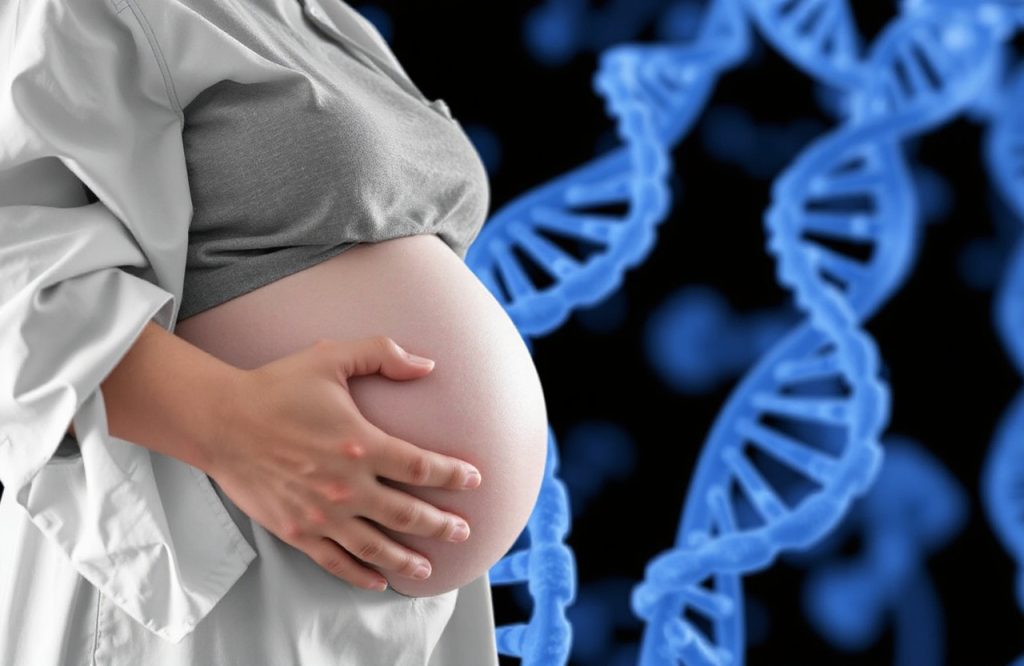
Preeclampsia: A Serious Condition in Pregnancy
Overview of Preeclampsia
Preeclampsia is a severe condition that affects approximately 8% of pregnant women. It is marked by elevated blood pressure and increased protein levels in urine, typically manifesting after the 20th week of gestation. If left untreated, it can lead to serious complications, including kidney dysfunction, respiratory issues, and even seizures. Enhanced methods for predicting preeclampsia risk could lead to better treatment options for affected individuals.
Impact and Prevalence
Annually, preeclampsia is responsible for numerous fatalities among pregnant women and stands as one of the leading causes of pregnancy-related deaths. Despite its prevalence and potential severity, the underlying causes of preeclampsia remain unclear, and effective risk prediction measures are lacking.
Research on Genetic Contributions to Preeclampsia
Study Overview
A recent study published in PLOS One by Danish researchers, including Hansen and colleagues, explored the genetic factors associated with the development of preeclampsia. The research involved sequencing the functional DNA regions of 50 women diagnosed with preeclampsia and 50 without it, all selected from a random sample at Aarhus University Hospital in Denmark. The study aimed to correlate specific gene variants and broader gene pathways with the symptoms of preeclampsia.
Findings of the Study
The research revealed that women who experienced preeclampsia shared greater genetic similarities compared to those who did not, indicating that between 40 and 87 genetically-regulated biological processes might be implicated. The team identified five genes with specific variants that were more prevalent among affected women. However, most of these associations were not statistically significant, and the researchers were unable to replicate findings from earlier studies on the genetic aspects of preeclampsia. Only three genes—MTHFR, ITPR1, and DLG2—were suggested to potentially play a role in the condition.
Conclusions and Future Research Directions
The findings imply that while genetic variation may offer some protection against the onset of preeclampsia, there is no distinct gene variant strongly associated with its development. Additionally, the absence of family history data in the study may limit the understanding of genetic relationships influencing preeclampsia. Currently, these results indicate that a reliable genetic test for preeclampsia does not exist, and other factors may have a more significant impact on its development and diagnosis.
Reference
C.I. Villamil. Hansen et al. 2018. The genetic component of preeclampsia: a whole-exome sequencing study. PLOS ONE 13(5): e0197217.