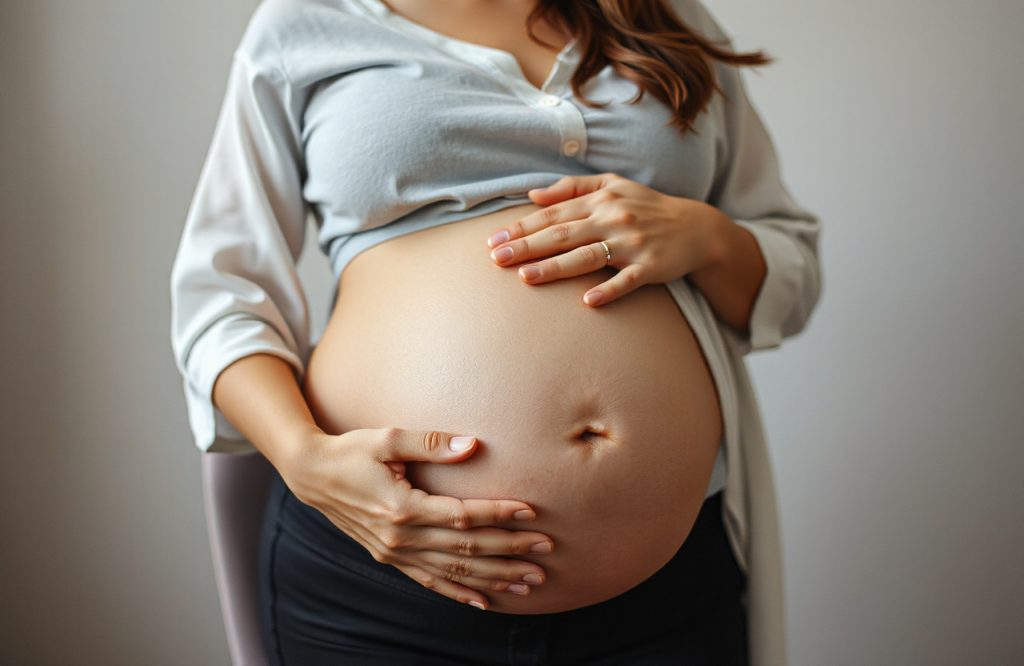
Impact of Pregnancy on Breast Cancer Risk: A Recent Study
Study Overview
A recent study published in the Annals of Internal Medicine examined the influence of pregnancy on women’s risk of developing breast cancer. Breast cancer is the most commonly diagnosed cancer among women during their reproductive years. Led by researcher Nichols and her team, the study aimed to clarify the relationship between breast cancer incidence and the age at which women have their first child.
Data Collection Methodology
The research utilized data from 15 cohort studies associated with the international Premenopausal Breast Cancer Collaborative Group. The focus was on women under the age of 55 who were cancer-free at the time of enrollment. Participants were monitored through direct contact and cancer registry linkages, with findings published in the Annals of Internal Medicine.
Findings on Breast Cancer Risk
By analyzing over a decade of data from more than nine million women of reproductive age, researchers calculated hazard ratios (HR) for different reproductive ages. The analysis revealed that the risk of developing breast cancer peaked 4.6 years postpartum, remained elevated for at least 20 years, and only began to decline significantly around 34.5 years after childbirth. Contrary to the belief that pregnancy may confer protective effects against breast cancer, the study found that reproduction actually increases the risk.
Mechanisms Behind Increased Risk
Nichols attributed this heightened risk to the increased proliferation of breast cells during pregnancy, which could facilitate the development of dormant tumor cells. Additionally, the postpartum breast microenvironment may promote the migration and metastasis of breast cancer cells, particularly during the lactation involution phase.
Influence of Age at First Birth
The study also indicated that women who had their first child at an older age exhibited a higher HR compared to those who became mothers at a younger age. This trend is believed to be linked to a greater number of initiated cells at advanced maternal age, thereby heightening the risk.
Additional Risk Factors
Other factors influencing breast cancer risk included estrogen receptor (ER) expression, parity, and family history of breast cancer. Interestingly, breastfeeding did not appear to significantly increase the risk; in fact, it correlated with a 12% to 25% lower risk among premenopausal women. Furthermore, the type of breast cancer diagnosed varied according to the age of the first birth, with ER-positive breast cancer risk decreasing over time, whereas the risk for ER-negative breast cancer persisted for at least 25 years post-childbirth.
Familial Influence and Study Limitations
Women with a family history of breast cancer who had given birth exhibited a 3.5 times higher risk compared to those without a reproductive history or familial connections. However, the study faced limitations, such as the lack of uniformity in distinguishing breast cancer diagnoses during pregnancy from early postpartum cases. Additionally, data on breastfeeding was only available in 12 of the 15 studies involved.
Implications for Future Research
Despite these limitations, Nichols emphasized that the findings could enhance breast cancer risk models, ultimately guiding screening and prevention strategies. The research challenges the prevailing notion that pregnancy protects women from breast cancer risk and opens avenues for further innovations in combating the disease.
References
Breast cancer statistics. (2018, September 12). Retrieved from https://www.wcrf.org/dietandcancer/cancer-trends/breast-cancer-statistics
Christine J Watson. (2006, April 10). Key stages in mammary gland development – Involution: Apoptosis and tissue remodeling that convert the mammary gland from a milk factory to a quiescent organ. Retrieved from https://breast-cancer-research.biomedcentral.com/articles/10.1186/bcr1401
Nichols, H. B., Schoemaker, M. J., Cai, J., Xu, J., Wright, L. B., Brook, M. N., . . . Sandler, D. P. (2019, January 01). Breast Cancer Risk After Recent Childbirth: A Pooled Analysis of 15 Prospective Studies. Retrieved from http://annals.org/aim/article-abstract/2718682/breast-cancer-risk-after-recent-childbirth-pooled-analysis-15-prospective#
Oleniacz, L. (2018, December 10). Study finds a higher risk of breast cancer for women after giving birth. Retrieved from https://www.eurekalert.org/pub_releases/2018-12/ulcc-sfh120618.php
Related Topics of Interest
– Stress during pregnancy may affect infant brain development
– Could artificial sweetener use during pregnancy cause obesity in children?
– What is a Molar Pregnancy?
– A healthy diet during pregnancy affects outcomes
– Exploring a Low Carbohydrate Diet During Pregnancy
– Keto diet during pregnancy
– Could unhealthy maternal diets during pregnancy lead to overeating in children?