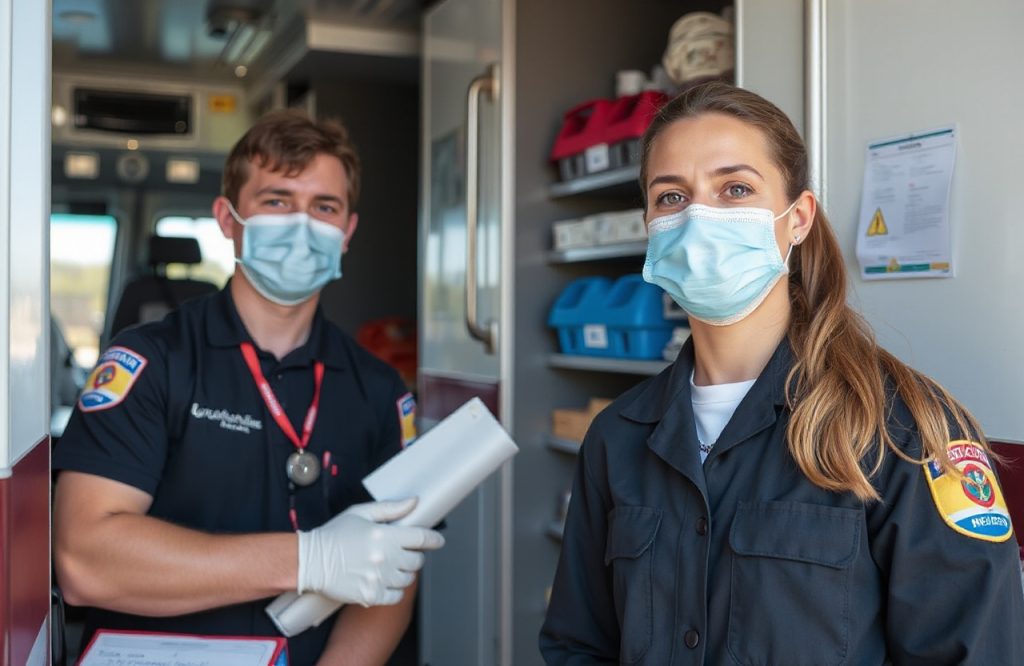
Supporting the Mental Health of Emergency Medical Responders
The Challenges Faced by Emergency Medical Responders
Emergency medical responders operate in some of the most challenging and emotionally demanding environments within the healthcare sector. Long working hours, exposure to traumatic incidents, and high-pressure decision-making contribute to significant mental health concerns, including burnout, anxiety, depression, and post-traumatic stress disorder (PTSD). To ensure these professionals can continue to perform effectively, it is crucial for organizations to explore innovative therapeutic strategies.
Leveraging Technology for Stress Monitoring
Innovative wearable devices and applications can be instrumental in monitoring stress levels among emergency responders, facilitating early intervention. These tools assess physiological indicators such as heart rate variability and cortisol levels to detect when a responder might be experiencing elevated stress. Organizations can incorporate these devices into their wellness programs, allowing staff to receive alerts when stress levels remain high, prompting them to schedule sessions with mental health professionals or take designated recovery days.
Implementing Structured Peer Support Programs
Establishing peer support networks within organizations can provide emergency medical responders with valuable emotional assistance. By sharing experiences with colleagues who understand the unique challenges of their profession, responders can foster a sense of camaraderie. Training pre-hospital healthcare students to offer emotional support can further enhance their effectiveness as emergency responders. For instance, paramedics dealing with the emotional aftermath of a difficult case could connect with peer counselors to process their experiences in a supportive setting, thereby reducing stigma and encouraging early mental health intervention.
Providing Access to On-Site Mental Health Resources
Ensuring the availability of on-site mental health professionals is essential for emergency responders. Easy access to mental health resources allows for immediate care and support. This can include regular one-on-one counseling sessions, crisis intervention services, and stress management workshops tailored specifically for paramedics. For example, after a high-pressure shift, responders could utilize a quiet room where a licensed therapist is available for debriefing, helping to alleviate stress and equip them with coping strategies.
Utilizing Trauma-Informed Therapy Techniques
Trauma-informed therapy techniques are gaining recognition for their effectiveness in addressing PTSD among emergency responders. Approaches such as eye movement desensitization and reprocessing (EMDR) can aid responders in processing and reframing traumatic memories, thereby diminishing their emotional impact. Organizations can partner with trauma specialists to offer targeted therapy sessions, allowing paramedics who have encountered distressing incidents to participate in EMDR sessions aimed at regaining control over their emotional responses.
Encouraging Physical Fitness and Wellness Initiatives
Maintaining physical health is crucial for supporting mental well-being. Regular exercise can significantly reduce stress and anxiety by releasing endorphins, which are natural mood enhancers. Organizations can promote fitness by developing specific programs for emergency responders focused on strength, flexibility, and cardiovascular health. For instance, an ambulance service might provide gym facilities and subsidized memberships, as well as organize group activities like yoga or cycling to foster community among colleagues. Additionally, encouraging healthy eating habits through nutrition workshops or providing nutritious meals during shifts contributes to overall well-being.
Conclusion
The mental health challenges encountered by emergency medical responders are substantial but not insurmountable. By adopting these strategies, organizations can cultivate an environment that prioritizes the well-being of their staff, enabling them to deliver high-quality care to their communities.