Researchers Utilize Near-Infrared Light to Alleviate Itch
Understanding Itchy Skin
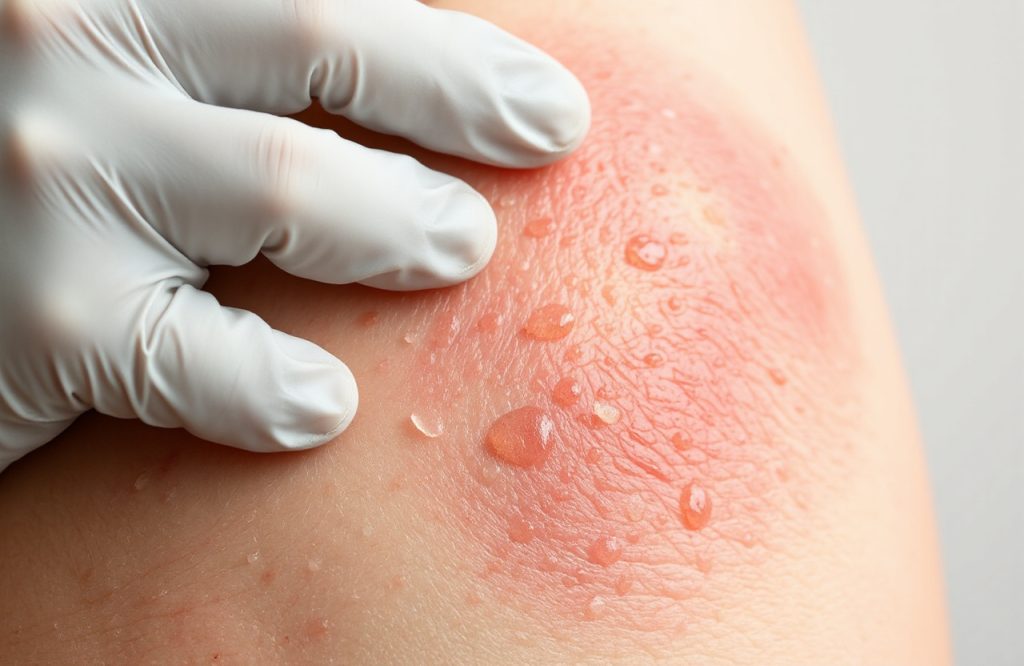
Itchy skin is an uncomfortable sensation that often prompts individuals to scratch for relief. This sensation can affect small localized areas, such as an arm or leg, or may encompass the entire body. Chronic itching can significantly impact a person’s quality of life, causing irritation and distress. Common causes of itchiness include aging, skin conditions, allergies, and internal infections. Itchy skin frequently accompanies various skin disorders, including xerosis, dermatitis, psoriasis, herpetiformis, and pemphigoid.
Current Relief Methods
Many individuals seek relief through warm water, moisturizing lotions, and medicated ointments. However, these treatments primarily focus on improving skin barrier function and managing inflammation, rather than directly addressing the sensation of itch. Additionally, some chronic itchy skin conditions may not respond effectively to existing therapies. Therefore, identifying an efficient method for reducing itching is crucial and necessitates a comprehensive understanding of the underlying mechanisms.
Innovative Research Findings
Targeting Itch-Associated Cells
A recent study published in *Nature Biomedical Engineering* by researchers from Italy and Germany explored the use of near-infrared light to selectively target cells responsible for itch sensations. By employing a method similar to ligand brain-derived neurotrophic factors, the team identified the mechanosensory neurons that contribute to mechanical hypersensitivity in neuropathic pain.
Effectiveness in Mice with Atopic Dermatitis
After identifying the specialized nerve cells, the researchers developed a light-sensitive chemical that specifically binds to these cells in the upper skin layer. The chemical was injected into the affected area of the mouse’s skin, followed by illumination with near-infrared light to deactivate the itch-sensing cells. This process effectively halts the itching and promotes skin healing, with effects lasting for several months.
Future Implications
This study paves the way for new treatment strategies for itchy skin conditions. Further advancements in this technology could enable targeting additional membrane receptors and neuronal subsets, enhancing our understanding of neuronal regeneration in the skin.
Reference
Nocchi, L. et al. Interleukin-31-mediated photoablation of pruritogenic epidermal neurons reduces itch-associated behaviours in mice. *Nature Biomedical Engineering*, 2018. DOI: https://doi.org/10.1038/s41551-018-0328-5.