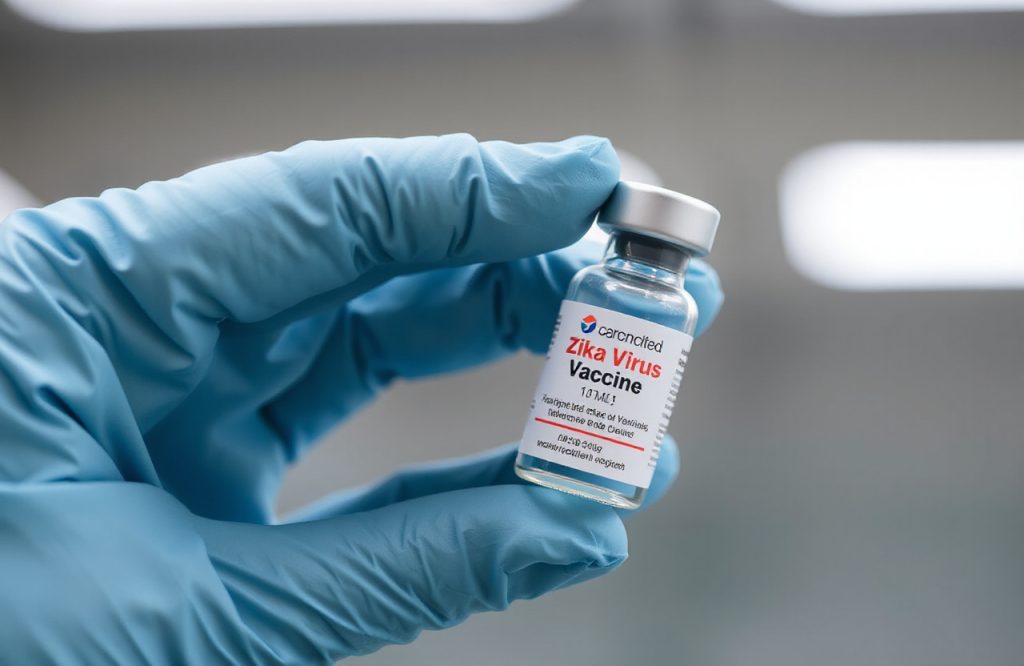
Promising Advances in Zika Virus Vaccine Development
Background on the Zika Virus
A recent article published in The Lancet highlights encouraging findings from two gene-based vaccine candidates for the Zika virus under development in the United States. The Zika virus has emerged as a significant global health issue, with outbreaks reported in 2006, 2013, and 2015 across various continents. Currently, there is no vaccine available for this disease, posing a serious challenge as rapid development of an effective alternative is crucial to address future outbreaks.
The Zika virus is categorized under the Flavivirus genus and is primarily transmitted through bites from Aedes mosquitoes or from an infected mother to her fetus. In infants, this transmission can lead to severe brain malformations, such as microcephaly, and other birth defects. While adults typically remain asymptomatic initially, some may eventually experience symptoms including fever, rash, joint pain, and red eyes.
Advancements in Vaccine Research
In 2016, DNA-based vaccine candidates demonstrated promising results in non-human primates. These candidates are being developed by the Vaccine Research Center (VRC) at the National Institute of Allergy and Infectious Diseases (NIAID). The eagerly anticipated results from the latest phase I studies assessing the safety profiles of these vaccines were recently published in The Lancet.
Understanding the Vaccine Mechanism
Plasmid-Based Approach
The vaccines utilize a plasmid-based approach, a technology well-executed by researchers at the VRC. A plasmid is a small, circular piece of DNA that is engineered to carry viral genes responsible for producing structural proteins found on the virus’s coat. When these plasmids are injected intramuscularly, they induce the assembly of virus-like particles that mimic the virus’s surface characteristics but are non-infective.
These particles are recognized as foreign by the immune system, prompting a robust immune response and the production of antibodies to combat potential infections. The generation of these antibodies also establishes immunological memory for future exposures to the virus.
Safety Testing Requirements
Due to the foreign nature of the vaccine, thorough safety testing is essential. This includes monitoring for side effects, known as adverse events, among healthy participants. The immune response may sometimes lead to autoimmune issues or severe allergic reactions, necessitating careful evaluation during phase I trials, which typically last one to four weeks post-vaccination.
The main objective of the study was to evaluate the safety and immunogenicity of the Zika virus vaccine candidates in healthy individuals. The study involved more than 125 healthy volunteers across three medical centers, testing two vaccine candidates.
Study Design and Results
Trial Overview
The trials included 80 participants in the VRC 319 trial receiving the VRC 5288 vaccine candidate and 45 participants in the VRC 320 trial receiving VRC 5283. Both vaccines used plasmids encoding structural protein components from the Zika virus’s outer coat. As an open-label study, both participants and researchers were aware of the treatments administered.
Participants, aged between 18 and 50, were randomly assigned to control and vaccine groups. The researchers administered 4 mg doses of the vaccines at scheduled intervals, assessing local and systemic reactogenicity for up to four weeks.
Monitoring Reactions and Immune Responses
Reactogenicity encompasses physical symptoms following immune response activation, such as injection site swelling, pain, fever fluctuations, and other allergic reactions. In addition, clinical and laboratory parameters were regularly measured to ensure vaccine tolerability and safety. The study also evaluated the potency of the immune response by measuring neutralizing antibodies and T-cell activity.
Positive Outcomes from the Trials
Vaccine Tolerability and Immune Response
The results indicated that both Zika virus vaccine candidates were generally well-tolerated, with most reactions being mild. The antibody response among participants ranged from 60% to 89%, demonstrating the effectiveness of the vaccines in eliciting adequate antibody production. Notably, all 14 participants receiving the VRC 5283 candidate exhibited both antibody generation and T-cell responses.
These findings from the phase I study suggest that these vaccine candidates may provide a valuable solution to the growing global health challenge posed by the Zika virus. The VRC 5283 vaccine candidate has progressed to phase II clinical trials, and the outcomes of these studies will be closely monitored.
Conclusion
This research marks a significant step forward in the quest for a Zika virus vaccine, with promising results paving the way for further validation and development.
References
(1) Gaudinski, M. R., et al. (2017). Safety, tolerability, and immunogenicity of two Zika virus DNA vaccine candidates in healthy adults: randomised, open-label, phase 1 clinical trials. Lancet. doi:10.1016/S0140-6736(17)33105-7
(2) Dowd, K. A., et al. (2016). Rapid development of a DNA vaccine for Zika virus. Science, 354(6309), 237-240. doi:10.1126/science.aai9137