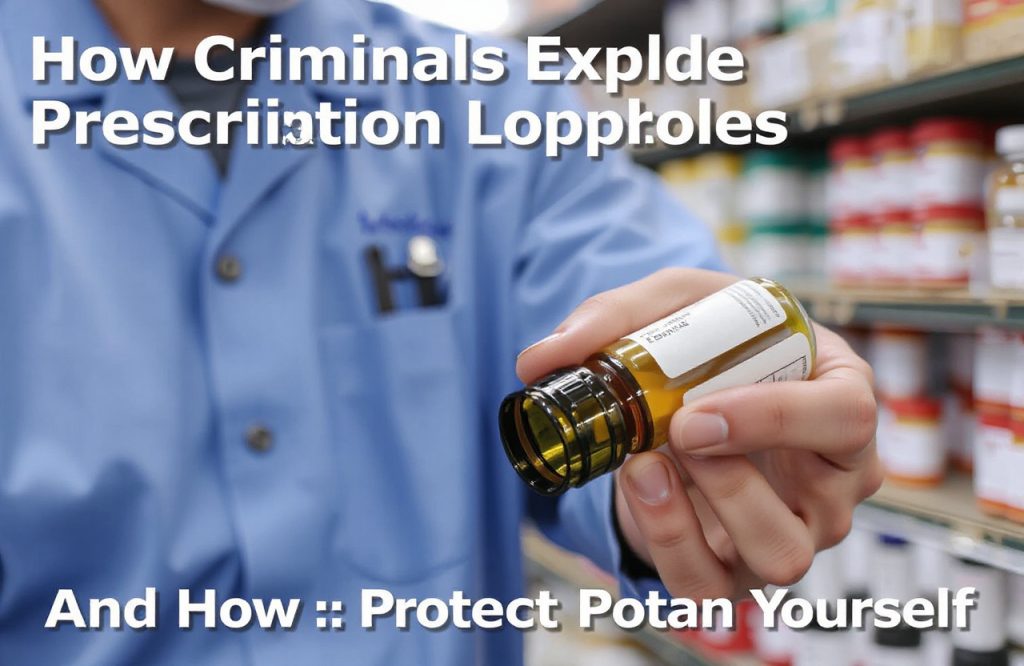
Understanding Prescription Fraud and Its Impact
The Security Assumption
When you pick up a prescription at your local pharmacy, you likely believe the process is secure. Medications, particularly controlled substances, are supposed to be regulated. However, criminals have identified numerous ways to exploit vulnerabilities in the system, resulting in prescription fraud, abuse, and potentially hazardous drugs ending up in the wrong hands. The methods criminals use are evolving rapidly, often outpacing the security measures designed to combat them. Fortunately, by understanding these scams, you can take proactive steps to safeguard yourself and your loved ones.
How Criminals Manipulate the System
Prescription fraud encompasses a variety of deceptive tactics employed by individuals, from those struggling with addiction to organized drug rings. Here are some common methods:
1. Doctor Shopping
Doctor shopping involves visiting multiple healthcare providers to obtain several prescriptions for the same medication. Since patient records are not always shared in real time, it is possible for someone to see several doctors in a short period and acquire multiple prescriptions for the same drug.
2. Forged or Altered Prescriptions
Some criminals create fake prescriptions through various means, including:
– Stealing a doctor’s prescription pad and forging signatures.
– Using advanced software to produce convincing prescription slips.
– Altering legitimate prescriptions to increase dosages.
3. Pharmacy and Insider Fraud
Prescription fraud can also occur within pharmacies. Corrupt employees might engage in illegal activities such as:
– Selling prescription drugs unlawfully.
– Entering fake prescriptions into pharmacy systems.
– Distributing medications to dealers or abusers.
A notable case occurred in 2019 when a Texas pharmacist was convicted for illegally distributing over 100,000 opioid pills through fake prescriptions.
4. Online Pharmacy Scams
Many illegal online pharmacies lure customers with ads for cheap medications that claim “no prescription required.” These websites may:
– Sell counterfeit or dangerous drugs.
– Ship real medications without proper prescription verification.
– Steal personal and financial information.
5. Stolen or Resold Medications
Prescription drugs can be stolen from pharmacies, hospitals, or even individuals. Some people with legitimate prescriptions choose to sell their medications, contributing to the black market for substances like opioids.
A significant case in 2020 revealed a nationwide drug ring where individuals with valid painkiller prescriptions sold their pills to traffickers.
The Real-World Consequences of Prescription Fraud
Prescription fraud is far from a victimless crime; its consequences are severe. Counterfeit or improperly dispensed medications can lead to overdoses and serious health issues. Moreover, this fraud contributes to the ongoing opioid crisis, as many illegally sold opioids originated from legitimate prescriptions diverted through deceitful means. Additionally, fraudulent prescriptions increase healthcare costs, resulting in higher insurance premiums for everyone.
According to the National Institute on Drug Abuse (NIDA), approximately 14.3 million people misused prescription drugs in 2021, with opioids being the most commonly abused category.
Steps to Protect Yourself
Understanding how criminals exploit the system allows you to take necessary precautions. Here are ways to protect yourself:
1. Be Cautious with Your Prescriptions
Never share your medications, even if someone claims to have the same prescription. Store medications securely and dispose of unused ones properly through pharmacy take-back programs.
2. Verify Online Pharmacies
Only use online pharmacies that are verified by the National Association of Boards of Pharmacy (NABP) or have a “.pharmacy” domain. Steer clear of sites offering drugs without a valid prescription.
3. Check Your Medical Records
Regularly review your prescription history to detect any fraudulent activity. Consider enrolling in your state’s Prescription Drug Monitoring Program (PDMP) if available.
4. Watch for Warning Signs at Pharmacies
Be vigilant if a pharmacy is:
– Filling prescriptions with minimal verification.
– Frequently dispensing large quantities of controlled substances.
– Operating late hours with high foot traffic.
Report any suspicious activities to local authorities.
5. Protect Your Doctor’s Information
Healthcare providers can also fall victim to prescription fraud. Encourage doctors and clinics to lock up prescription pads, utilize electronic prescribing systems, and report any lost or stolen pads immediately.
Conclusion
Prescription fraud affects everyone, from those whose medications are stolen to individuals receiving counterfeit drugs, and it contributes to rising healthcare costs. Awareness is crucial. By understanding how these scams operate and taking steps to protect yourself, you can help combat prescription fraud. Stay informed, remain cautious, and always verify the sources of your medications.