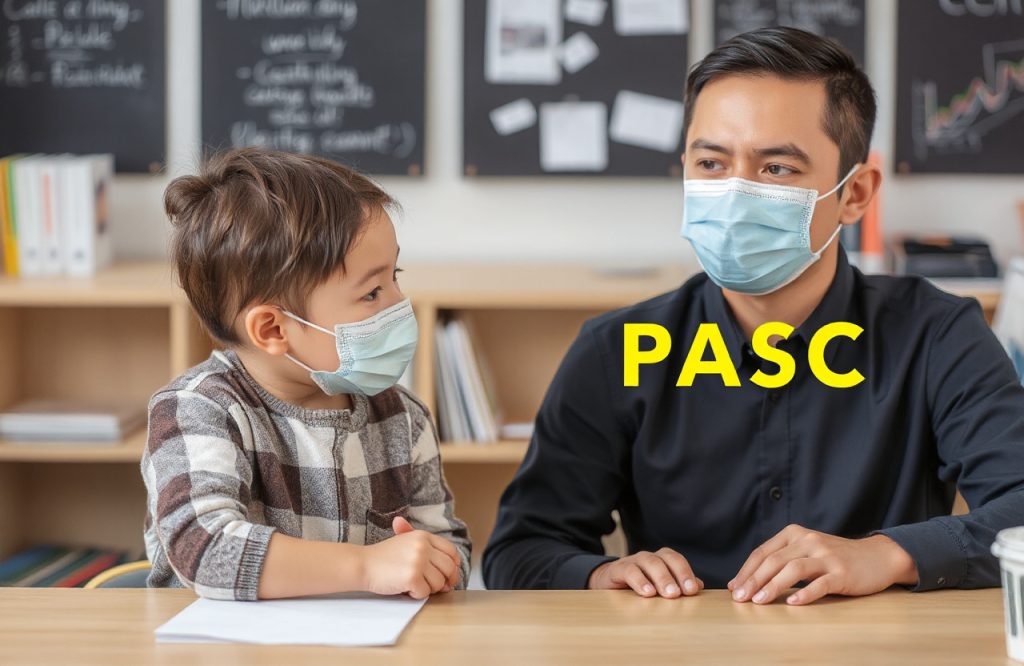
Impact of Seasonal COVID-19 on Children
Increased Infections and Risk of Long COVID
As schools in various regions neglect to enforce safety measures against seasonal COVID-19, a rising number of children are experiencing multiple infections. This surge in infections elevates the likelihood of developing Long COVID. A recent study has pinpointed the most prevalent symptoms of Long COVID in children.
Research Collaboration on Long COVID Symptoms
A coalition of pediatricians, epidemiologists, and advocates in the United States conducted the RECOVER-Pediatrics symptom survey. This research followed over 5,000 children aged 6 to 17 years to identify the hallmark signs of Long COVID-19. The study collected data on past COVID-19 infections and monitored the children over time to observe the progression of their symptoms.
The Growing Threat of Long COVID
Reinfection and Health Risks
Epidemiological data indicate that each reinfection increases the risk of developing Long COVID-19, scientifically known as postacute sequelae of SARS-CoV-2 (PASC). Surveys among adults reveal that Long COVID-19 poses a significant long-term health threat, with many individuals reporting debilitating symptoms. As the population living with PASC continues to grow, researchers are examining the manifestation of symptoms across different demographics.
Identifying Symptoms in Children
Children’s developing bodies may express symptoms differently than adults, making it challenging for them to articulate their experiences. Understanding how to identify Long COVID symptoms in children is crucial.
Long-Term Effects of COVID-19 on Children
Prevalence of Prolonged Symptoms
The study underscored that Long COVID-19 is a major concern for children, with a significant number experiencing symptoms lasting over four weeks post-infection. Nearly 50% of school-age children and 39% of adolescents reported prolonged symptoms, illustrating the extensive impact of the condition. Alarmingly, some children previously deemed uninfected were later found to have antibodies against the virus, indicating past asymptomatic infections. These children also exhibited long-term effects, highlighting the potential consequences of “silent” COVID-19 cases.
Diverse Manifestations of Long COVID
Long COVID-19 presents itself in various ways, with researchers identifying distinct symptom clusters. School-age children experiencing Long COVID-19 typically reported symptoms in four main categories: a multisystem group affecting different organs, a headache-dominant group, a neuropsychological/sleep group impacting cognitive abilities and sleep, and a gastrointestinal group.
Common Symptoms of Long COVID in Children
Symptoms in School-Aged Children
The study revealed that school-aged children with Long COVID-19 (PASC) most frequently reported headaches (57%). Additional common symptoms included difficulties with memory, focus, and sleep, affecting 44% and 43% of the children, respectively. Other notable symptoms were body/muscle/joint pain (51%), tiredness/low energy (49%), and anxiety (47%).
Symptoms in Adolescents
Adolescents exhibited three primary symptom groups: a multisystem group, a fatigue/pain group, and a sensory group characterized by loss of smell or taste. The study found that adolescents with Long COVID-19 most commonly experienced tiredness and low energy (80%), body/muscle/joint pain (60%), and headaches (55%). Memory and focus difficulties were also reported by 47% of these teens, along with significant proportions experiencing sleep issues, anxiety, and feelings of sadness or depression (47%, 47%, and 38%, respectively).
Impact on Well-Being
Correlation Between Symptoms and Quality of Life
The study established a strong correlation between the severity of Long COVID-19 symptoms and a child’s overall well-being. Children with more severe symptoms, assessed using a specialized index, reported poorer health outcomes, diminished physical health, and reduced quality of life. This finding highlights the substantial impact that Long COVID-19 can have on a child’s daily existence, reinforcing the necessity for early diagnosis and appropriate support.
Conclusion
Long COVID in children represents a widespread and serious condition affecting many who have contracted COVID-19. The diverse array of symptoms and their potential to significantly impact a child’s well-being underscore the urgent need for heightened awareness, further research, and effective interventions to assist affected children and their families.
References
Gross RS, Thaweethai T, Kleinman LC, et al. Characterizing Long COVID in Children and Adolescents. JAMA. Published online August 21, 2024. doi:10.1001/jama.2024.12747