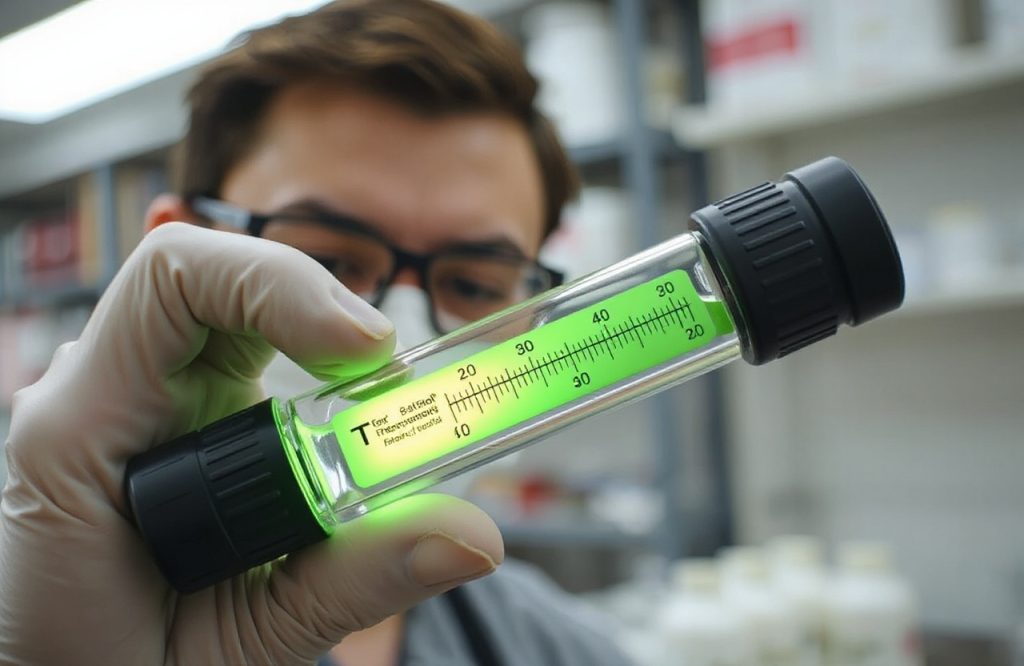
Understanding the Importance of Medication Temperature Control
The Risks of Improper Medication Use
It is well-established that taking medications prescribed for someone else is dangerous. Similarly, expired medications can pose significant health risks. However, many may not be aware that exposure to improper temperatures can also compromise the safety and effectiveness of certain pharmaceuticals.
The Sensitivity of Medications to Temperature
Many drugs are highly sensitive to temperature variations. They must be stored and transported within specific temperature ranges to maintain their efficacy. If exposed to inappropriate temperatures, medications can lose their effectiveness or even become harmful.
If you reside in an area with extreme temperature fluctuations, it is wise to routinely check your essential medications for signs of temperature damage.
Why Are Some Drugs Sensitive to Temperature?
The Chemical Composition of Medications
All medications consist of specific chemical compounds that are designed to help manage various health conditions. The formulation process relies heavily on precise temperature control, which is crucial for maintaining the integrity of these compounds until they are processed by the body.
Exposing medications to fluctuating temperatures can alter their molecular structure, potentially diminishing their effectiveness or transforming them into harmful substances. While not all drugs are equally sensitive, some, like insulin and certain antibiotics, are particularly vulnerable to heat and must be stored in refrigerated conditions.
Medications Prone to Temperature Sensitivity
Additionally, medications for blood pressure and heart disease should be stored in cool environments. Heat exposure can destabilize or degrade the active ingredients in these drugs.
Manufacturers, shipping companies, and pharmacies implement numerous safeguards to prevent medications from encountering harmful temperature ranges. Many drugs are transported in specialized refrigerated containers equipped with temperature monitoring devices, such as freeze indicators, to detect potential temperature-related damage. Furthermore, medical products are often packaged with insulation to ensure a stable temperature during storage and transit.
Recognizing Temperature Damage in Medications
Signs of Temperature-Related Damage
It is essential for everyone to recognize the signs of temperature damage in medications to avoid personal injury and ensure they obtain safe drugs. Common indicators include:
– **Cloudiness**: Liquid medications may develop an unexpected opacity, indicating potential damage. Even if cloudiness dissipates, the medication may still lack potency and require replacement.
– **Discoloration**: Changes in color can signal exposure to extreme temperatures. If unsure about the correct coloring, consulting a pharmacist or healthcare provider is advisable.
– **Lumpiness**: Temperature fluctuations can cause medications to clump or change shape. Attempting to break up lumps will not restore the drug’s original form.
Options for Replacing Damaged Medications
Fortunately, patients can obtain replacements if their medications have been compromised by temperature exposure. They can inspect their medications at the pharmacy, where pharmacists are trained to identify heat or cold damage and will replace affected drugs while safely disposing of the damaged ones. Additionally, patients can contact their health insurance provider or the medication’s manufacturer for potential replacements at no cost.
Best Practices for Protecting Medications
Maintaining Medication Integrity
Safeguarding medications from extreme temperatures requires careful planning. If you depend on temperature-sensitive drugs, consider employing strategies to keep your medications secure. For instance, using an insulated travel bag can help maintain the proper temperature while on the go. You might also opt for expedited shipping to minimize exposure to adverse conditions during transport.
Most importantly, familiarize yourself with the temperature recommendations for all medications you use, and routinely check for signs of temperature damage before each use.
Image by National Cancer Institute from Unsplash
The editorial staff of Medical News Bulletin had no role in the preparation of this post. The views and opinions expressed in this sponsored post are those of the advertiser and do not reflect those of the Medical News Bulletin. Any websites linked from the Medical News Bulletin site are created by organizations outside of Medical News Bulletin and are solely the responsibility of those organizations. These links are provided by Medical News Bulletin for your convenience and additional information only. Medical News Bulletin does not endorse the content on any third-party websites and is not responsible for their accuracy. Your use of third-party websites is at your own risk and subject to their terms and conditions. Medical News Bulletin does not provide specific medical advice, diagnosis, or treatment and disclaims any assumptions of obligations or liabilities.