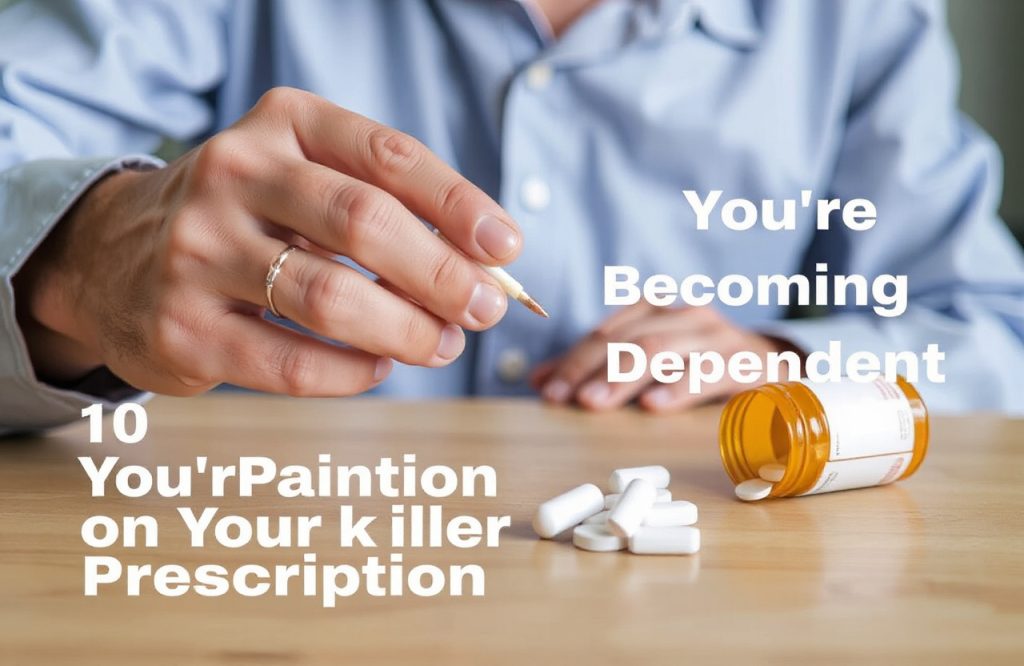
Painkiller Abuse in America
Prevalence of Painkiller Abuse
The issue of painkiller abuse is widespread, with more than half of Americans reporting its impact. Approximately six percent of individuals have abused pain medication, while 56 percent know someone who has struggled with addiction or has died from an overdose related to painkillers. Chronic pain is also a significant concern, affecting up to half of those who visit a primary care provider.
Path to Addiction
Most individuals who become addicted to painkillers do not intend to do so. Addiction can develop even when pain medications are prescribed. Patients may build a tolerance to the medication, leading them to use it more frequently or in larger doses than directed.
Understanding Painkillers and Their Risks
Are All Painkillers Addictive?
Given the rise in painkiller addiction, healthcare providers are increasingly encouraged to use non-addictive alternatives for pain management. For mild pain, non-opioid analgesics such as aspirin, acetaminophen (Tylenol), and nonsteroidal anti-inflammatory drugs (like Advil, Motrin, and Aleve) are often recommended. These medications can alleviate pain and reduce inflammation without the risk of addiction, although prolonged use in high doses may harm the liver or kidneys.
For conditions like back or neck pain, muscle relaxants such as carisoprodol (Soma) or cyclobenzaprine (Flexeril) may be prescribed. However, these can be addictive and may lead to severe withdrawal symptoms, including hallucinations and seizures. Additionally, muscle relaxants can cause sedation and confusion, making them dangerous when combined with alcohol or other substances.
Opioid painkillers represent the most addictive and hazardous category of pain medications. In 2017, opioid overdoses resulted in 48,000 fatalities. Common opioid prescriptions include fentanyl, hydrocodone, and combinations like hydrocodone with acetaminophen (Lorcet, Lortab, Norco, Vicodin).
Addiction can manifest not only as a physical dependence but also as a psychological one. Individuals may continue to use painkillers despite experiencing negative effects on their health, relationships, and careers.
Recognizing Signs of Dependency
It is not unusual for individuals to overlook their painkiller use until family or friends raise concerns. If you have been questioned about your painkiller consumption, consider whether you exhibit any of the following signs of dependency:
– Using painkillers more frequently or in higher doses than prescribed
– Obtaining prescriptions for the same medication from multiple doctors
– Stealing or selling prescriptions
– Forging prescriptions or attempting to steal prescription pads
– Experiencing mood swings, unexplained anger, or hostility
– Feeling anxious without a clear reason
– Needing significantly more sleep than before using painkillers
– Friends or family commenting that you appear intoxicated or overly sleepy
– Sensing paranoia regarding others’ perceptions of you
– Having difficulty remembering daily details
– Noticing a decline in relationships since starting painkillers
Identifying Risk Factors for Addiction
Who is Most at Risk?
Anyone can develop an addiction to painkillers, but certain factors increase susceptibility. Individuals with mental health conditions such as depression, anxiety, or posttraumatic stress disorder face a higher risk. Additionally, men, particularly those aged 18-34, have been observed to have a greater likelihood of misuse.
Strategies for Reducing Addiction Risk
Despite concerns about addiction, it is important to manage chronic pain effectively. Pain can significantly hinder daily functioning and lead to depression. In many instances, low doses of painkillers can provide adequate relief.
To minimize the risk of addiction:
– Consult your pharmacist for guidance on proper medication usage.
– Avoid mixing medications with other drugs or alcohol.
– Communicate with your healthcare provider before adjusting your dosage or discontinuing use.
– Discuss any inadequacies in pain management with your provider.
Path to Recovery from Painkiller Addiction
Seeking Professional Help
Managing physical dependence on opioids or muscle relaxants often requires care in an inpatient addiction treatment facility. These specialized centers can address both the physical and emotional aspects of recovery.
The connection between pain medication addiction and mental health issues is significant; therefore, individuals with painkiller addiction should be evaluated for any underlying mental health conditions. For many, addressing mental health is a crucial component of the recovery journey.
For those with chronic pain, alternative non-pharmacologic treatments can be beneficial. Approaches may include physical therapy, cognitive behavioral therapy, acupuncture, yoga, and, in certain cases, surgical interventions.
Disclaimer
The information provided by Medical News Bulletin is for educational purposes only and does not constitute medical advice, diagnosis, or treatment. For specific medical concerns, individuals should consult a qualified healthcare professional.