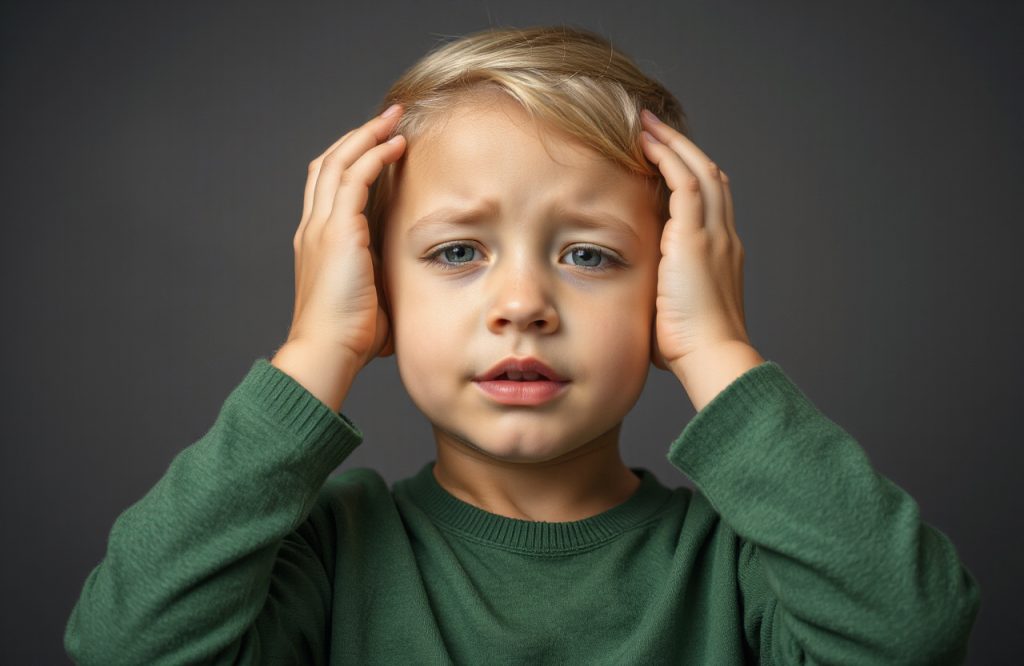
Understanding Anxiety in Children
Importance of Early Identification
Recognizing signs of anxiety in children is crucial for prompt diagnosis and intervention. While it is normal for children to occasionally feel sadness, hopelessness, or fear, persistent or intense feelings may indicate anxiety. Anxiety is a prevalent mental health disorder, affecting over 20% of children and adolescents.
Causes of Anxiety
Several factors can contribute to anxiety in children, including a family history of anxiety disorders, learned behaviors from family members, and stressful life events.
Challenges in Diagnosing Anxiety
Behavioral Indicators
Diagnosing anxiety in young children can be challenging. Many anxious children appear quiet and well-behaved, which may lead their families and teachers to overlook their needs. Conversely, some children may exhibit disruptive behavior, resulting in negative labels such as “bad kid.” In both scenarios, these children often do not receive the necessary support for their mental health.
Recognizing Symptoms of Anxiety
Physical and Emotional Responses
The body typically reacts to danger by releasing stress hormones, triggering the ‘fight or flight’ response. However, children with anxiety experience an overactive response, which manifests in various symptoms.
Common Symptoms
Symptoms of anxiety in children may include extreme fear, irritability, anger, and mood changes. Other signs can involve difficulty sleeping, fatigue, headaches, and stomach aches. Anxiety symptoms often become apparent when they disrupt school, home, or social activities.
Consequences of Untreated Anxiety
If left untreated, anxiety can lead to depression, poor academic performance, challenges in career development, relationship issues, increased substance use, and a decreased quality of life.
Types of Anxiety Disorders in Children
Generalized Anxiety Disorder (GAD)
Children with GAD tend to worry excessively and overthink daily situations, impacting their focus and attention in school. This can lead to poor attendance, as worry may cause feelings of sickness or fatigue.
Panic Disorder
Children with panic disorder experience sudden and repeated panic attacks characterized by intense fear and discomfort. Symptoms may include a racing heart, shaking, sweating, and shortness of breath. Diagnosis occurs when a child has multiple panic attacks followed by a month of anxiety about future attacks.
Separation Anxiety Disorder
Separation anxiety disorder occurs when children struggle to outgrow the fear of being apart from parents or caregivers. This may result in clinging behaviors and avoidance of school or social activities, leading to decreased attendance and social isolation.
Social Anxiety Disorder
This disorder involves an excessive fear of social situations, causing children to feel self-conscious and distressed. They may avoid eye contact and speak softly, which differs significantly from simply being shy.
Selective Mutism
Selective mutism is diagnosed when a child consistently does not speak in specific social settings but communicates comfortably in others. This condition can severely impact their participation in typical childhood activities, with an average diagnosis age of five.
Specific Phobias
While fears are common in childhood, they can develop into specific phobias, leading to intense and irrational fears about certain situations or objects. These fears may trigger crying, tantrums, clinginess, and avoidance behaviors.
OCD and PTSD
Obsessive-Compulsive Disorder (OCD) involves intrusive thoughts and compulsive behaviors aimed at alleviating anxiety. Children with Post-Traumatic Stress Disorder (PTSD) may exhibit anxiety, irritability, and avoidance following a traumatic experience.
Treating Anxiety in Children
The Need for Professional Help
It is essential to address anxiety as a serious health concern. Parents should seek professional assistance upon noticing signs of anxiety in their children.
Effective Treatment Strategies
Various strategies and tools exist for managing childhood anxiety. Parents can encourage children to express their feelings, confront their fears, and take risks to build confidence.
Cognitive Behavioral Therapy (CBT)
Cognitive Behavioral Therapy (CBT) is the most common treatment for anxiety disorders in children. This talk therapy equips children with skills and techniques to manage their anxiety effectively.
Medication and Lifestyle Adjustments
In some cases, anti-anxiety medications may be necessary to alleviate symptoms. Finding the right treatment may take time and should be tailored to the child and family lifestyle. Additionally, lifestyle changes such as better nutrition, increased physical activity, sufficient sleep, and social support can contribute to improved mental health.
Conclusion
Recognizing and treating anxiety in children is essential for their overall well-being and quality of life. Early intervention can lead to better outcomes and help children manage their anxiety effectively.
References
Anxiety in children. Anxiety Canada. Retrieved from: https://www.anxietycanada.com/learn-about-anxiety/anxiety-in-children/
Children’s mental health: anxiety and depression (2020). Centers for Disease Control and Prevention. Retrieved from: https://www.cdc.gov/childrensmentalhealth/depression.html
Anxiety disorders (2018). KidsHealth. Retrieved from: https://kidshealth.org/en/parents/anxiety-disorders.html
Childhood anxiety disorders (2015). Anxiety and Depression Association of America. Retrieved from: https://adaa.org/living-with-anxiety/children/childhood-anxiety-disorders
Image by Aline Ponce from Pixabay