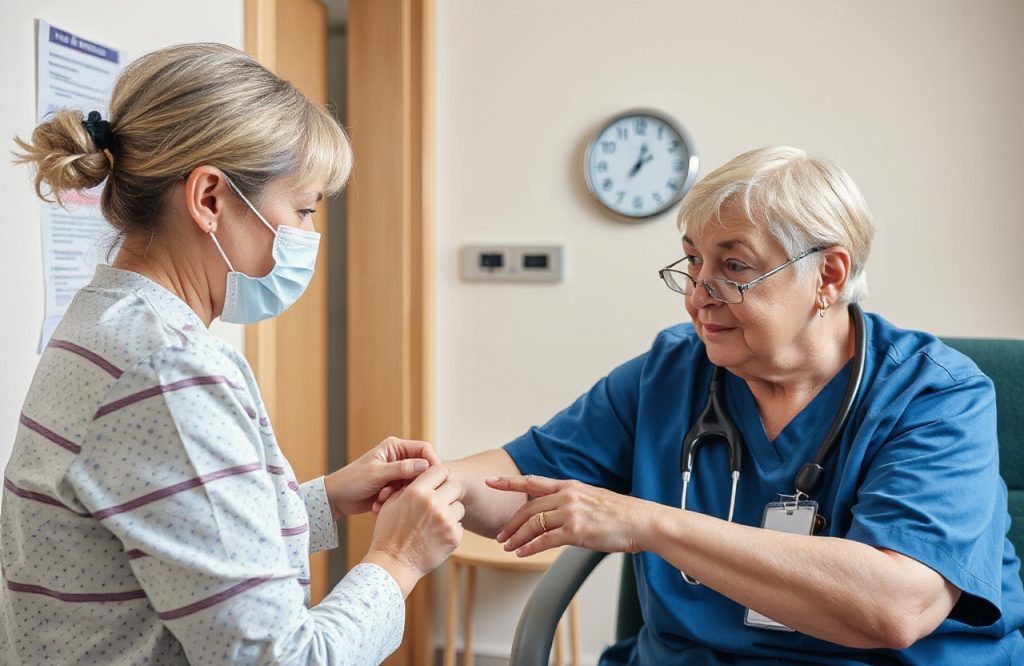
Recognizing Signs of Nursing Home Abuse
Choosing to place a loved one in a nursing home can provide them with professional care, consistent oversight, and a quality life in their later years. However, some facilities may have caregivers who mistreat or neglect residents. Such abuse can often go unnoticed until significant harm occurs. If you are contemplating placing a loved one in a nursing home or already have, it is crucial to be aware of five key signs of abuse to help protect them.
Unexplained Injuries
One of the most significant indicators of nursing home abuse is the presence of injuries without a clear explanation. This may include bruises, cuts, burns, sprains, or fractures. Caregivers might provide vague or inconsistent accounts regarding the cause of these injuries. While accidents can happen, patterns of repeated injuries, such as multiple bruises on the arms or wrists, could signal abuse or neglect.
If you notice any injuries on your loved one, request a detailed incident report from the staff and consider obtaining medical evaluations to assess whether the injuries correspond with their explanations. Consulting a legal expert, such as a California Nursing Home Abuse Lawyer, can be beneficial in determining if there is a case of negligence or intentional harm. These professionals can investigate the situation, gather evidence, and hold the facility accountable if abuse is confirmed.
Sudden Changes in Behavior
A loved one who suddenly becomes withdrawn, anxious, or fearful, particularly around specific staff members, may be experiencing verbal threats, intimidation, or emotional manipulation. Other behavioral changes that may indicate nursing home abuse include:
- Sleeplessness
- Mood swings
- Aggression
- Depression
- Reluctance to communicate or make eye contact
Poor Hygiene and Unsanitary Living Conditions
Caregivers are responsible for maintaining a clean and healthy environment for residents. If your loved one appears unkempt, wears soiled clothing, or resides in a room with unpleasant odors, pests, or dirty bedding, it may indicate neglect. Poor hygiene can lead to serious health complications, particularly for elderly individuals with weakened immune systems. Regular visits can help you assess both your loved one’s personal hygiene and the overall cleanliness of their living conditions.
Fear of Caregivers or Staff
If your loved one exhibits fear around certain staff members, it could be a sign of abuse. Look for signs such as flinching when touched, avoiding eye contact with caregivers, or expressing a desire not to be left alone with specific individuals. These behaviors may indicate past trauma or ongoing mistreatment. If your loved one communicates their fear, whether verbally or nonverbally, it is important to take action by documenting these incidents and seeking legal advice.
Unexplained Financial Transactions
Staff members who have access to your loved one’s personal information may misuse it for their own financial gain. If you notice sudden changes in bank account activity, missing personal belongings, unpaid bills, or unexpected withdrawals, it may indicate someone is exploiting their trust.
Conclusion
Unexplained injuries, poor hygiene, fear of caregivers, and sudden behavioral changes are critical signs of potential nursing home abuse. It is essential to take proactive measures to protect your loved one’s well-being.
Images by Kampus Production from Pexels
The editorial staff of Medical News Bulletin had no role in the preparation of this post. The views and opinions expressed in this post are those of the advertiser and do not reflect those of Medical News Bulletin. Medical News Bulletin does not accept liability for any loss or damages caused by the use of any products or services, nor do we endorse any products, services, or links in our Sponsored Articles.