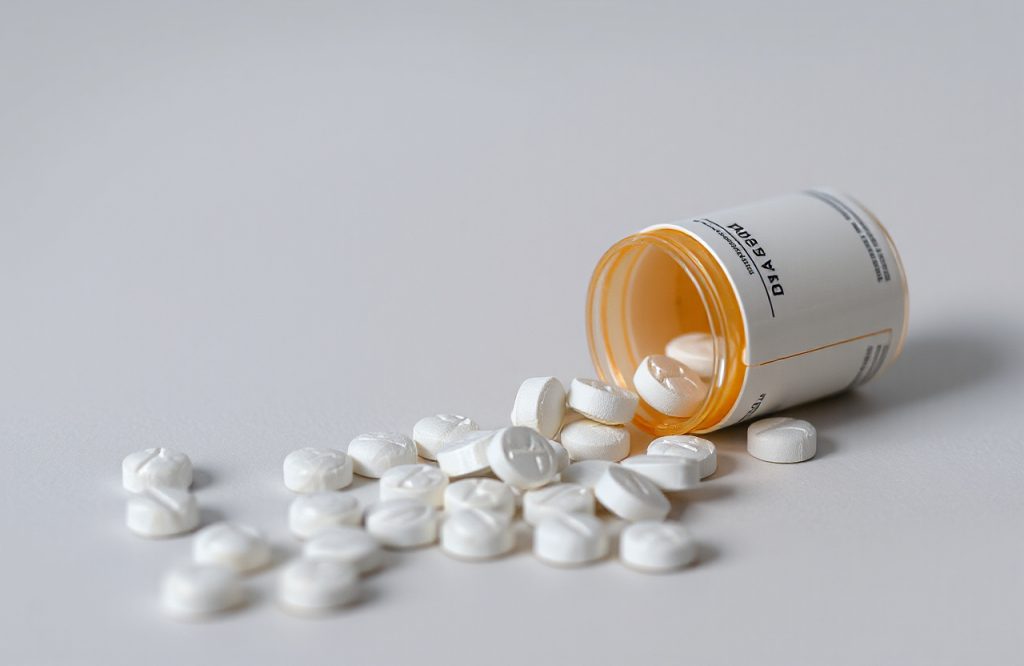
Xanax: Understanding Its Benefits and Risks
An Overview of Xanax and Its Hazards
Xanax, known generically as alprazolam, is frequently prescribed for anxiety and panic disorders. While it can provide significant relief for many, the risks of misuse and overdose are serious concerns that cannot be ignored. Increased prescriptions for Xanax highlight the importance of recognizing overdose signs and knowing how to respond quickly to potentially life-threatening situations.
What Xanax Does
Xanax is classified as a benzodiazepine, a category of drugs that calms the brain by enhancing the effects of GABA, a neurotransmitter that slows nerve activity. Physicians typically prescribe Xanax for short-term relief of anxiety or panic attacks, with standard doses ranging from 0.25 mg to 1 mg, taken three times daily. Unfortunately, some individuals misuse the medication by taking higher doses or using it more frequently than prescribed, thereby increasing their risk of dependency and overdose.
Why Is This Overdose Concerning?
Currently, Xanax is the most prescribed medication in its category, leading to a rise in misuse—defined as taking the medication without a doctor’s guidance. A troubling trend is the combination of Xanax with alcohol or other drugs, which can be fatal. The interaction between Xanax and alcohol, both depressants, can severely slow breathing and heart rate, escalating the risk of coma or death.
Real-world instances illustrate a worrying increase in overdose cases among individuals struggling with addiction. This underscores the necessity for greater awareness regarding the dangers associated with Xanax misuse.
How the Body is Affected by Xanax
Xanax exerts its effects on the central nervous system, inducing a state of relaxation and drowsiness. At higher doses, it can dangerously depress respiratory and cardiac functions, inhibiting the brain’s signals for normal breathing and heartbeat.
Signs and Symptoms of Xanax Overdose
Key physical symptoms of overdose may include:
– Extreme drowsiness or inability to wake up
– Confusion or disorientation
– Slurred speech and difficulty walking
– Slow or irregular breathing
These signs highlight the urgency of seeking immediate medical assistance to prevent fatal outcomes.
Behavior and Cognitive Signs
In addition to physical symptoms, behavioral changes may also occur, including:
– Severe dizziness or hallucinations
– Sudden outbursts or bizarre behavior
– Memory lapses and confusion
– Rare but potentially fatal seizures
When to Recognize an Overdose
Important signs indicating a possible overdose include:
– Slowed or stopped breathing
– Unresponsiveness or inability to awaken the person
– Unusual or aggressive behavior
Prompt action is critical; call emergency services immediately upon recognizing these signs.
Risk Factors and Populations at Higher Risk
Common Risk Factors
Certain behaviors increase the likelihood of overdose:
– Taking larger doses than prescribed
– Mixing Xanax with alcohol or illicit drugs
– Using other sedatives concurrently
– Having health conditions that impede metabolism
Vulnerable Populations
Certain groups are at greater risk of overdose, including:
– Individuals with histories of substance abuse
– Those with pre-existing mental health conditions
– Elderly adults taking multiple medications, as their drug metabolism can differ significantly
Immediate Response and Treatment to an Overdose of Xanax
Recognizing the Emergency
In the event of a suspected overdose, assess whether the person:
– Is breathing normally and is fully awake and responsive
– Shows signs of confusion or disorientation
If any red flags emerge, call emergency services without delay.
Medical Interventions
While waiting for help, if the individual is conscious, activated charcoal may be administered to slow absorption. It is vital to support their breathing, keep the airway clear, and monitor circulation. In severe cases, flumazenil may be used to reverse the effects of benzodiazepines, although it carries its own risk of seizures. Typically, the patient will require hospitalization for close observation.
Long-Term Treatment Strategy
Once stabilized, treatment may include:
– Detox programs to safely discontinue Xanax
– Counseling to address underlying mental health and addiction issues
– Educational initiatives to prevent relapse
– Support groups focused on recovery
Prevention Tips and Resources
Safe Prescription Practices
Follow these guidelines to promote safe medication use:
– Adhere strictly to prescribed dosages and avoid sharing medications
– Store pills securely, out of children’s reach, and dispose of them properly
Education and Awareness
Be vigilant in recognizing early signs of misuse, such as exceeding prescribed doses or developing a dependency on the drug. Community programs can provide valuable education on overdose risks.
Resources for Help
Poison control centers offer 24/7 assistance for overdose inquiries. Support groups and rehabilitation centers can also provide vital resources for those struggling with dependency.
Conclusion
Xanax overdose poses significant health risks that can escalate rapidly. Early indicators, including extreme drowsiness, confusion, or breathing difficulties, necessitate immediate action. Responsible medication use, adherence to medical advice, and awareness of overdose risks are essential for safety. Quick responses can be lifesaving; never hesitate to seek medical assistance if an overdose is suspected. Your prompt action might be crucial in saving a life.