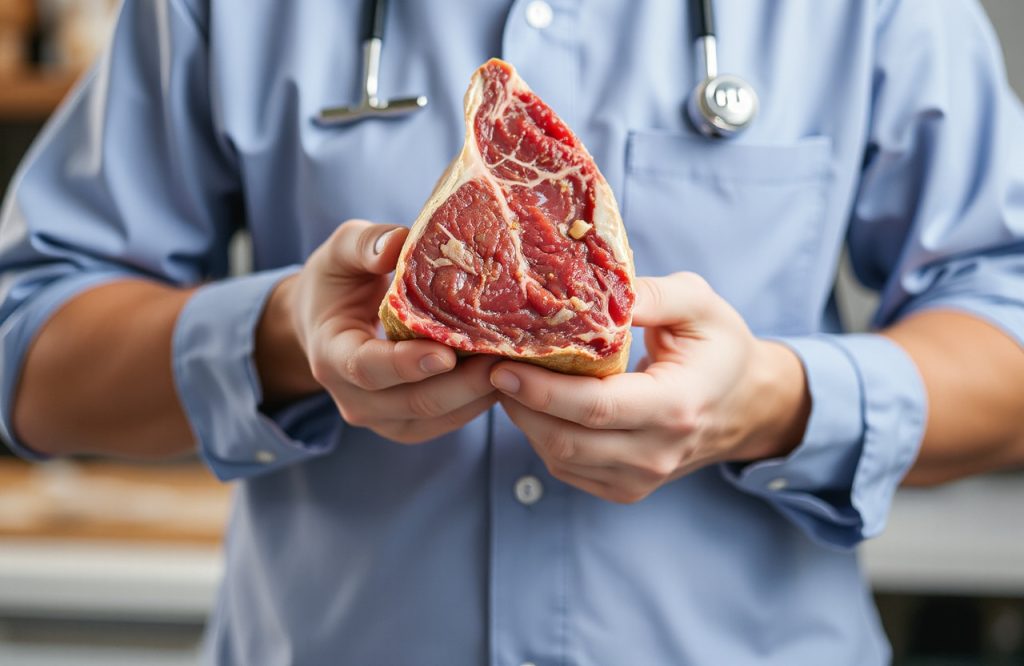
Impact of Red Meat Consumption on Mortality Risk
Study Overview
A recent study has revealed that increased consumption of red meat, including lamb, pork, and beef, is associated with a higher risk of overall mortality. This risk extends to eight specific causes of death: cancer, heart disease, respiratory disease, stroke, diabetes, infections, kidney disease, and liver disease. As affluence rises, meat consumption has steadily increased in regions such as North America, Europe, and parts of Asia.
Red Meat and Processed Meat Concerns
Numerous studies have established a connection between premature death and the intake of red and processed meats, which include products like sausages, bacon, ham, corned beef, beef jerky, hot dogs, canned meat, and meat-based sauces. Conversely, white meat consumption has been linked to health benefits, although some studies contest this assertion. Importantly, distinctions between unprocessed and processed white meat were not always made, despite the fact that nitrites and nitrates added during processing could play a significant role in health outcomes.
Health Risks of Nitrates and Heme Iron
Nitrites and nitrates found in processed meats are known to elevate cancer risk. Furthermore, heme iron, prevalent in all meats but particularly abundant in red meat, has associations with cancer and cardiovascular diseases. While processed red meats contain high levels of heme, nitrates, and nitrites, previous studies have not thoroughly investigated their contributions to mortality risk.
Study Details and Findings
Initiated by researchers at the US National Institutes of Health in 1995, the study was published in the BMJ last month. It examined the effects of meat consumption, specifically red and processed meats, on mortality. The study involved 536,969 retired individuals aged 50-71 from various states, including California, Florida, Louisiana, New Jersey, North Carolina, and Pennsylvania, as well as metropolitan areas like Atlanta and Detroit. A dietary history questionnaire collected participant data at the study’s outset.
Participants were categorized based on their intake of red, unprocessed red, processed red, white, processed white, and unprocessed white meats, as well as the intake of heme iron, nitrites, and nitrates. The follow-up period extended until death or December 31, 2011, with a median duration of 15.6 years. During this period, 128,524 participants (84,848 men and 43,676 women) died, with the leading causes being cancer, heart disease, respiratory disease, and stroke.
Dietary Habits and Mortality Links
Researchers sought to correlate dietary habits with causes of death, accounting for various factors such as age, sex, ethnicity, smoking status, physical activity, and more. The study indicated that increased red meat consumption was linked to higher overall mortality and mortality from the specified causes. Notably, red meat intake was most strongly associated with deaths from chronic liver disease.
Participants with the highest intake of white meat experienced a 25% reduction in overall mortality risk compared to those with the lowest intake. Unprocessed white meat was associated with a decreased risk of death from all specific causes, excluding Alzheimer’s disease, while processed white meat did not significantly lower mortality risk. Substituting red meat with white meat, particularly unprocessed varieties, was linked to reduced overall mortality and specific cause-related deaths.
Contributions of Heme Iron, Nitrites, and Nitrates
The study found that heme iron intake was associated with increased overall mortality and risk from all causes except Alzheimer’s disease. Similarly, nitrite and nitrate consumption heightened mortality risks from various causes, with strong links to deaths from diabetes, respiratory diseases, and kidney diseases. A significant portion of the increased mortality risk associated with processed red meat was attributed to the presence of nitrates and heme iron.
Mechanisms of Harm
The study highlights the roles of nitrites, nitrates, and heme iron in contributing to increased mortality risk. These compounds are considered pro-oxidants, potentially causing harmful effects through oxidative stress and inflammation. Oxidative damage is implicated in the development of cardiovascular disease, cancer, and diabetes. Additionally, cooked red meat may contain varying amounts of mutagenic compounds, such as heterocyclic amines and polycyclic aromatic hydrocarbons, which can elevate cancer risk.
Conclusion and Recommendations
The World Health Organization has classified processed meat as a carcinogen and red meat as a probable carcinogen. The findings of this study support previous research and suggest that replacing red meat, particularly processed varieties, with unprocessed white meat may be beneficial for health.
Further Reading
Topics of interest related to this study include:
– Health benefits of reducing red meat intake
– The impact of lean red meat in a Mediterranean diet
– The association between meat consumption and colorectal polyps
– The relationship between red meat and heart disease