Understanding the Structure of Skin
Layers of Skin
Skin, the largest organ of the body, consists of three thin layers of protective tissue. The outermost layer, known as the epidermis, serves as a barrier against water and protects the body from environmental threats such as microbes, harsh chemicals, and ultraviolet (UV) rays from the sun. Beneath the epidermis lies the dermis, which contains blood vessels that nourish skin cells. The innermost layer, the subcutis, is composed of fat, providing cushioning for muscles and bones against external impacts.
Effects of Aging on Skin
As individuals age, their skin experiences a decline in elastin and collagen production, leading to a looser, thinner, and drier appearance with increased pigmentation. Consequently, skin may exhibit more wrinkles and freckles. While this aging process is natural, certain lifestyle choices—such as sun tanning, alcohol consumption, dietary habits, hydration levels, and smoking—can accelerate skin aging.
Addressing Wrinkles and Age Spots
Topical Treatments
A variety of over-the-counter and prescription creams containing retinol or peptides are available to enhance collagen production and protect the skin from UV damage.
Invasive Skin Rejuvenation Treatments
In addition to topical solutions, several common invasive skin rejuvenation treatments include microdermabrasion, laser skin resurfacing, and chemical peels. These procedures remove cells from the skin’s surface, promoting new skin growth. Furthermore, Botox and filler injections offer a non-surgical option to smooth out the appearance of lines and wrinkles.
Exploring Phototherapy
Benefits of LED Light Therapy
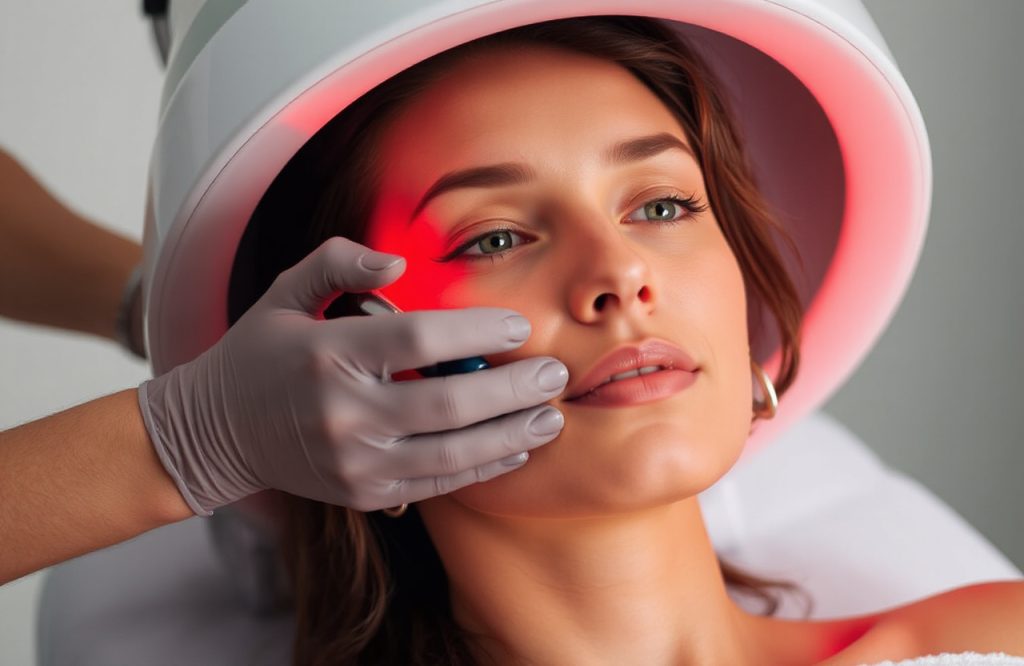
Phototherapy utilizes light-emitting diodes (LEDs) with various wavelengths to address different skin conditions. For instance, blue light is effective for treating acne, while red light helps reduce inflammation associated with rosacea and stimulates collagen production. Amber light has also shown effectiveness in alleviating redness. LED light therapy is non-invasive and non-thermal, making it safe for home use without the risk of pain or burns. Additionally, as it does not emit UV light, it poses no further risk of skin damage. This treatment is relatively affordable and requires no recovery time.
Research on LED Phototherapy for Crow’s Feet
Although phototherapy is widely used, research on the comparative effectiveness of different LED lights for wrinkle reduction is limited. A study proposal published in BMJ Open outlines a plan by Brazilian researchers to evaluate the effects of red versus amber LED light on periocular wrinkles, commonly known as crow’s feet.
The study aims to conduct a controlled, double-blind, crossover trial with participants receiving ten sessions of phototherapy over a six-month period. Measurements of wrinkles and melanin spots will be conducted using VisioFace RD, and participants will complete a questionnaire assessing factors such as sun exposure, smoking and drinking habits, sleep quality, dietary practices, water intake, and use of home care cosmetics. The outcomes of this clinical trial may validate the effectiveness of phototherapy in reducing crow’s feet and assist in establishing optimal wavelength protocols for anti-wrinkle treatments.
References
(1) Mota, L. R., Motta, L. J., da Silva Duarte, I., Horliana, A. C. R. T., da Silva, D. D. F. T., & Pavani, C. (2018). Efficacy of phototherapy to treat facial ageing when using a red versus an amber LED: a protocol for a randomised controlled trial. BMJ open, 8(5), e021419. http://dx.doi.org/10.1136/bmjopen-2017-021419
(2) https://health.usnews.com/health-news/family-health/slideshows/9-top-cosmetic-treatments-for-aging-skin?