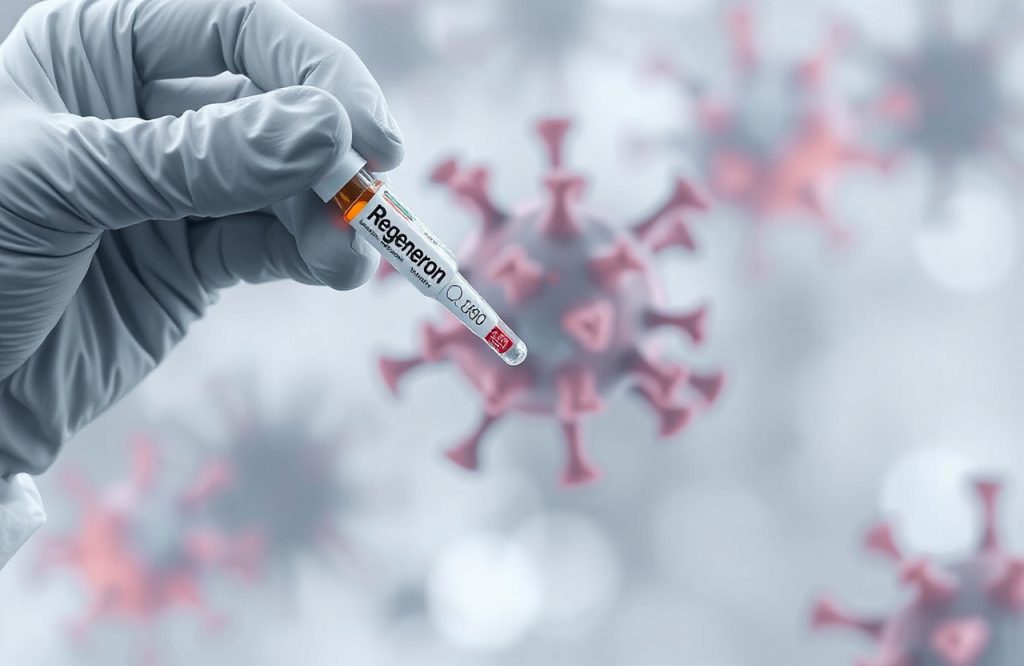
Promising Results from Regeneron Study for COVID-19 Treatment
Introduction
A recent study has highlighted the potential of the COVID-19 drug Regeneron, showcasing encouraging results in the ongoing quest for effective treatments during the pandemic. Efforts to develop reliable therapies have faced numerous challenges since the onset of COVID-19. While existing therapies have primarily focused on prevention, their effectiveness in real-world scenarios has not been thoroughly evaluated.
Overview of REGN-COV2
The studies published in the journal Science examine the efficacy of REGN-COV2, an antibody cocktail designed to combat COVID-19. This drug comprises two human antibodies, REGN10933 and REGN10987, aimed at minimizing the risk of developing drug-resistant viral strains while also reducing the viral load and severity of illness in infected individuals.
Methodology and Animal Models
To assess the drug’s effectiveness, researchers utilized two different animal models: rhesus macaque monkeys and golden hamsters. Rhesus macaques tend to exhibit milder symptoms, whereas golden hamsters are prone to a more severe form of the disease, including rapid weight loss. The study included both prophylactic (preventative) and therapeutic approaches to evaluate REGN-COV2.
The research involved administering either REGN-COV2 or a placebo several days before exposing the animals to the virus. To further investigate the treatment’s protective effects, researchers increased the viral load along with the administration of REGN-COV2 or the placebo. Nasopharyngeal and oral swabs were collected to measure viral genomic RNA.
Efficacy of REGN-COV2 in Animal Models
The findings indicated that REGN-COV2 is effective in both preventing and treating COVID-19. In rhesus macaques, the drug’s preventive dosing led to only mild symptoms, with administration three days before viral exposure nearly blocking the infection. Additionally, the treated animals showed a quicker clearance of the virus compared to those receiving the placebo.
In golden hamsters, those treated with REGN-COV2 two days prior to infection experienced significant protection from weight loss, along with a reduced viral load in their lungs compared to untreated counterparts. Analysis of lung tissues revealed no drug-related toxicity at either dosage level tested.
Conclusion and Future Directions
The study concluded that REGN-COV2 effectively prevents high viral loads and serves as a treatment post-infection. The researchers demonstrated notable benefits, including reduced viral presence in lung tissues, shorter infection duration, and limited weight loss. Further investigations are necessary to explore any additional therapeutic benefits and to confirm these results in human clinical trials. The study provides valuable clinical insights into the potential use of REGN-COV2 for treating patients in hospital settings.
References
Aaas. More evidence of benefits of REGN-COV2 antibody cocktail to both protect from and treat disease. EurekAlert! https://www.eurekalert.org/pub_releases/2020-10/aaft-meo100920.php.
Baum, A., Ajithdoss, D., Copin, R., Zhou, A., Lanza, K., Negron, N., … Kyratsous, C. A. (2020). REGN-COV2 antibodies prevent and treat SARS-CoV-2 infection in rhesus macaques and hamsters. Science. https://doi.org/10.1126/science.abe2402.
Image by PIRO4D from Pixabay.