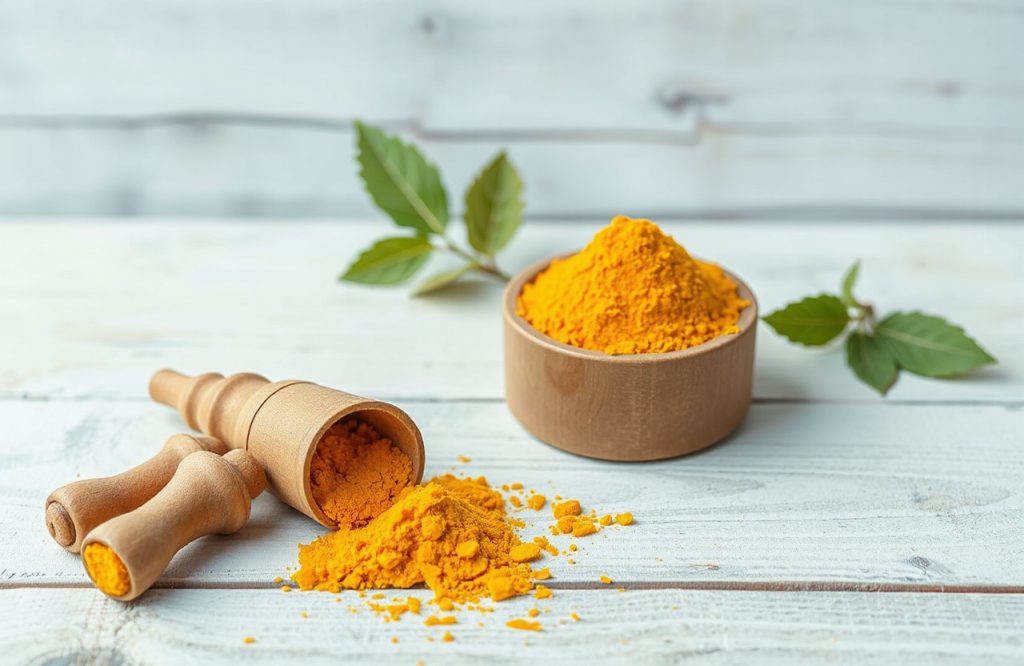
Exploring Turmeric as a Treatment for Arthritis
The Role of Curcumin in Arthritis Management
Turmeric, a spice recognized for its anti-inflammatory properties, is being studied as a supplemental treatment for osteoarthritis and rheumatoid arthritis pain, largely due to its primary polyphenol, curcumin. Did you know that there are over 100 different types of arthritis? Osteoarthritis (OA), also known as degenerative joint disease, is the most prevalent form, followed closely by rheumatoid arthritis (RA). While osteoarthritis is viewed as both a biomechanical and inflammatory disease, rheumatoid arthritis is characterized as a systemic condition stemming from immune system dysregulation.
The Impact of Osteoarthritis
Osteoarthritis is notably the leading cause of chronic knee pain, which can significantly hinder daily activities, leading individuals to avoid them altogether. Standard treatment options for osteoarthritis and rheumatoid arthritis include non-steroidal anti-inflammatory drugs (NSAIDs), exercise, weight management, and corticosteroid injections. However, prolonged use of NSAIDs can result in various adverse effects on the cardiovascular, renal, and gastrointestinal systems, prompting some patients to seek alternatives.
Natural Alternatives for Pain Relief
Research is increasingly focusing on natural or plant-derived compounds that may alleviate pain associated with osteoarthritis and rheumatoid arthritis. Turmeric, particularly prominent in Indo-Asian cuisines, has a long-standing history in traditional Chinese and Ayurvedic medicine. The curcuminoids in turmeric are responsible for its vibrant yellow color and its anti-inflammatory effects.
Clinical Studies on Curcumin
The first clinical study involving curcumin took place in 1980 with 18 rheumatoid arthritis patients. Although it indicated potential benefits, it lacked a control group, making it less definitive. Over the years, numerous small clinical trials have suggested that curcumin extract can reduce knee pain, enhance performance-based test scores, and decrease reliance on NSAIDs. Additionally, curcumin has exhibited fewer adverse reactions compared to traditional NSAIDs.
Need for Further Research
While these studies highlight the short-term benefits of curcumin in managing arthritic pain, they also underscore the need for larger phase III studies to refine treatment protocols and establish optimal dosages.
Challenges with Turmeric’s Bioavailability
One significant challenge in using turmeric for pain relief is the poor bioavailability of curcumin, which is often rapidly processed and eliminated from the bloodstream by the liver and kidneys. Researchers are exploring various methods to enhance curcumin’s bioavailability, making it easier for the body to absorb.
Conclusion: The Future of Turmeric in Arthritis Treatment
While current research supports the use of curcumin for reducing inflammation and pain associated with arthritis, additional studies are necessary to further validate these effects and identify the most effective formulations. The FDA has classified curcumin as “generally recognized as safe” (GRAS), leading to its widespread availability as a supplement, typically in the form of turmeric-curcumin. It is advisable to consult with a healthcare provider before starting any new supplement regimen. Cooking with turmeric is another viable option to incorporate curcumin into your diet, as it can be easily added to various dishes such as scrambled eggs, rice, soups, smoothies, or tea.