Uncertainty Surrounds Extension of Enhanced Tax Credits for ACA Plans
Senate Finance Committee Hearing Reveals Republican Opposition
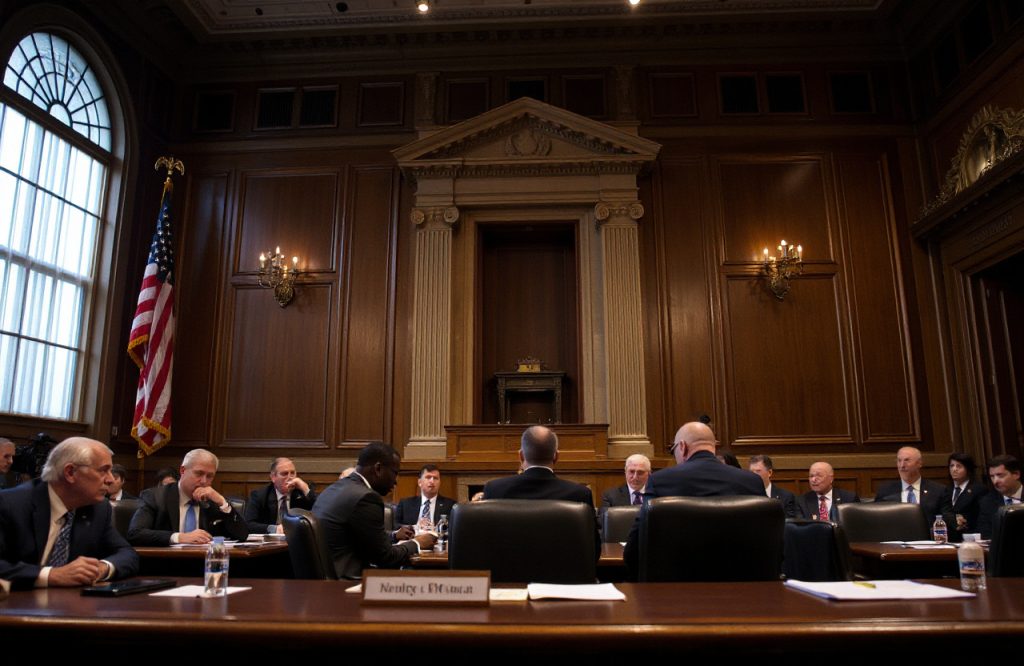
A clean extension of enhanced tax credits for Affordable Care Act (ACA) plans appears increasingly unlikely following a Senate Finance Committee hearing on Wednesday. Republicans largely united in their opposition to the proposed extension. Chairman Mike Crapo, R-Idaho, stated, “Both sides agree that the cost of healthcare is too high. But sending billions of dollars to insurance companies while premiums continue to rise and the deficit continues to grow is not the only solution.”
Democratic Calls for a One-Year Extension
Democrats have urged their Republican counterparts to consider a one-year extension of the subsidies to help Americans avoid significant premium increases. If the enhanced subsidies lapse, premiums for ACA plans are projected to surge, potentially leaving approximately 4 million Americans uninsured.
Future Healthcare Reform Discussions
Following the immediate crisis, Democrats believe Congress should pivot to more comprehensive healthcare reform that could attract bipartisan support. This could involve addressing problematic insurer practices or tackling issues with the pharmaceutical supply chain. Sen. Ron Wyden, D-Ore., the ranking member of the Senate Finance Committee, noted, “There is no way for Congress to put together a proposal in the next couple of weeks that’s going to help people in January. It just can’t be done. A clean extension this year is the bare minimum of what’s necessary.” However, their appeals largely went unheeded, as only Sen. Thom Tillis, R-N.C., expressed support for temporarily maintaining the current subsidies.
Concerns Over Affordability and Legislative Timelines
Tillis, who is not running for reelection, suggested that extending the subsidies would provide Congress with time to phase out financial assistance without adversely affecting the 24 million Americans relying on ACA exchanges. He argued, “It makes more sense to extend it and bend the curve in the out-years.” The looming affordability crisis has been a significant factor in the ongoing government shutdown, which concluded when Senate Republicans agreed to vote on a related bill this December. However, Republicans did not commit to the clean extension favored by Democrats, which is critical given the limited time left for Congress to act.
Republican Critique of the ACA
During the hearing, many Republicans criticized the ACA as fundamentally flawed and advocated for systemic reforms in the insurance markets established by the 2010 law, even if there is insufficient time to implement such changes before premiums increase. Chairman Crapo remarked, “Some will argue that time has run out to consider alternatives to extending the credits. I encourage my colleagues to avoid this conclusion.”
Proposals for Alternative Financial Assistance
Republicans have proposed various alternatives focused on directing federal funds to consumers rather than extending existing subsidies. One such suggestion came from Sen. Bill Cassidy, R-La., who advocated for increased funding for health savings accounts associated with bronze-level plans on the exchanges.
Debate Over Cost-Sharing Reductions
Another proposal discussed involved allowing ACA enrollees to receive cost-sharing reductions as deposits to health savings accounts instead of sending these savings to insurers. Brian Blase, president of the conservative Paragon Health Institute, referred to this policy as a “no-brainer.” However, Democrats and some health policy experts warned that merely transferring funds to enrollees’ accounts would not replace the need for comprehensive health insurance.
Logistical Challenges of Alternative Proposals
Experts testified that any legislative proposals other than a pure extension of the subsidies would be logistically unfeasible before the year-end deadline. Jason Levitis, a senior fellow at the Urban Institute, emphasized that marketplaces are better prepared to implement an extension within a short timeframe compared to the extensive changes required for alternative proposals.
Presidential Stance on Healthcare Policy
While some House Republicans have shown openness to a one-year extension of the funds, President Donald Trump has expressed opposition to maintaining the current subsidy structure, insisting on direct financial assistance to consumers. He has criticized health insurance companies for profiting from subsidies rather than benefiting consumers.
Concerns Over Affordability and Fraud
During the hearing, Republicans reiterated their concerns about the financial implications of extending subsidies, estimating a cost of $335 billion over the next decade as outlined by the Congressional Budget Office. Although Democrats acknowledge the flaws in the current system, they argue that families should not bear the burden of these shortcomings next year.
Real-World Impact of Potential Premium Increases
As the deadline approaches, many low-income enrollees could face new premium costs, with individuals earning more than $64,000 per year losing all financial assistance. Bartley Armitage, a witness and former construction worker from Oregon, shared his experience of facing a steep increase in premiums, stating, “Making healthcare affordable for everyone is the type of thing that we expect our tax dollars to go toward in a country like the United States where it’s a good country, it’s a strong country and it’s a rich country. People should not have to go without care.”