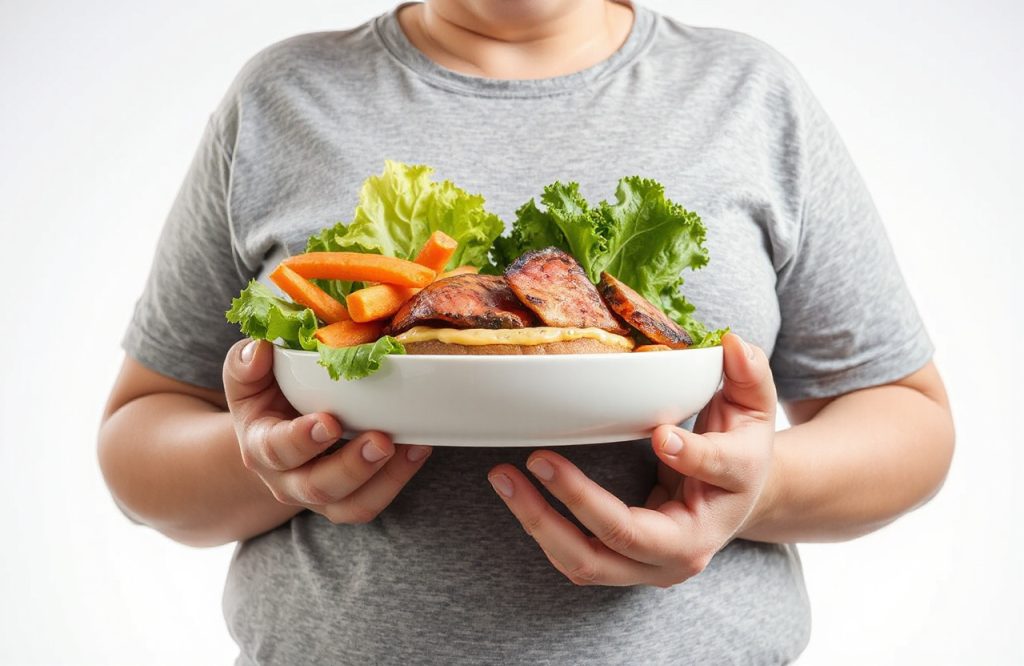
Understanding the Obesity Epidemic in America
Prevalence of Obesity
Statistics from the Centers for Disease Control and Prevention (CDC) indicate that more than 40% of American adults are classified as obese. This condition significantly heightens the risk of developing serious health issues, including heart disease, stroke, type 2 diabetes, and certain cancers.
Environmental Factors Driving Obesity
The ongoing obesity epidemic is largely attributed to environmental influences. Over the past century, two primary models have emerged to explain the environmental causes of obesity.
The Energy Balance Model
Overview of the Model
The traditional energy balance model posits that weight gain results from the overconsumption of energy-dense, highly palatable processed foods. According to the USDA’s Dietary Guidelines for Americans 2020–2025, weight loss necessitates a reduction in calorie intake and an increase in physical activity.
Flaws in the Energy Balance Model
Despite its long-standing acceptance, this model has fundamental shortcomings. While calorie restriction may initially result in weight loss, biological responses—such as a decreased metabolic rate and increased hunger—eventually counteract this loss. Consequently, despite extensive public health messaging promoting reduced food intake and increased exercise, rates of obesity and related diseases continue to rise, underscoring the model’s inadequacy.
The Carbohydrate-Insulin Model
Introducing a New Perspective
Research published in The American Journal of Clinical Nutrition presents an alternative view known as the carbohydrate-insulin model. This model suggests that overeating may not be the primary cause of obesity; instead, the focus should be on the types of food consumed rather than the quantity.
Key Insights from the Carbohydrate-Insulin Model
Although this model has origins dating back to the early 1900s, it offers a comprehensive explanation of obesity’s biological underpinnings. Dr. David Ludwig, the study’s lead author, emphasizes that the energy balance model fails to adequately address the biological causes of weight gain. For instance, he poses the question: does increased food intake during a growth spurt lead to the growth spurt, or does the growth spur the increase in hunger and food intake?
According to the carbohydrate-insulin model, modern dietary patterns characterized by high glycemic load foods contribute to positive energy balance and increased fat deposition. The consumption of highly processed carbohydrates stimulates insulin secretion while reducing glucagon secretion, signaling fat cells to store more calories and limiting dietary calories available for muscle and other metabolically active tissues. This hormonal and metabolic response leads individuals on high-glycemic-load diets to experience increased hunger, despite ongoing fat gain.
Implications for Weight Management
The carbohydrate-insulin model also presents more effective strategies for long-term weight management. It suggests that individuals may have greater control over what they eat rather than how much. Instead of promoting reduced food intake—a strategy that often fails—this model emphasizes modifying dietary choices. Dr. Ludwig notes that limiting the consumption of rapidly digestible carbohydrates can reduce the underlying drive to store body fat, allowing for weight loss with less hunger and struggle.
The Need for Further Research
The authors of the study acknowledge that further research is necessary to evaluate the validity of both models and potentially develop new frameworks that better align with emerging evidence. Addressing obesity must remain a priority in today’s industrial food environment due to the significant and escalating burden of obesity-related diseases worldwide.
References
1. Ludwig D, et al. (2021). The carbohydrate-insulin model: a physiological perspective on the obesity pandemic. Am J Clin Nutr. Retrieved from: https://academic.oup.com/ajcn/advance-article/doi/10.1093/ajcn/nqab270/63690732
2. Scientists claim that overeating is not the primary cause of obesity (2021). EurekAlert! Retrieved from: https://www.eurekalert.org/news-releases/927735
Image by Michal Jarmoluk from Pixabay