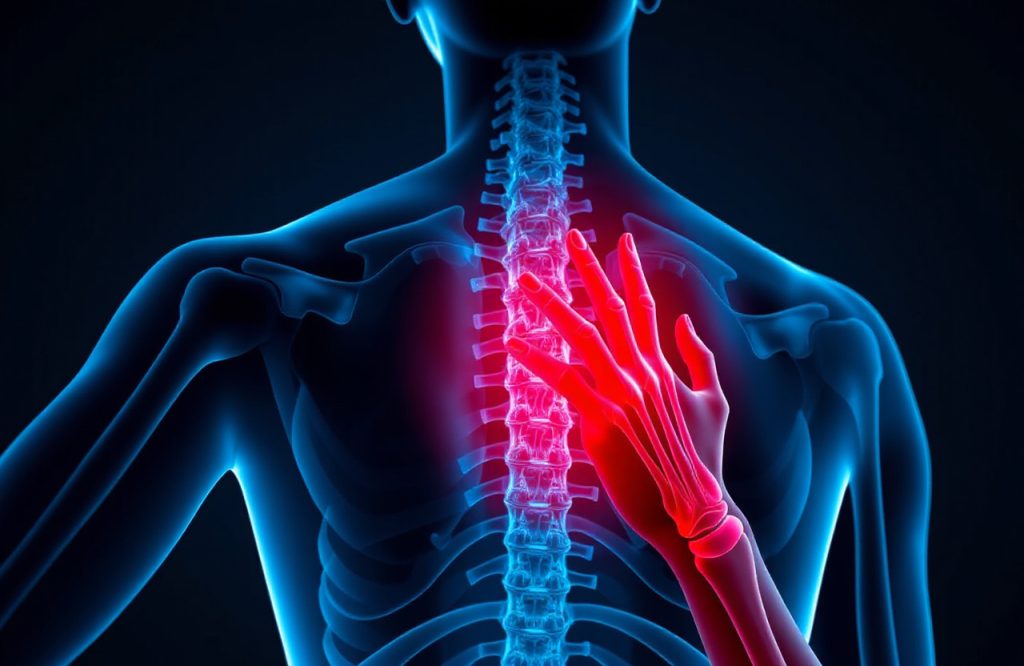
New Research Highlights Pain Underestimation in Osteoarthritis Patients
Understanding Osteoarthritis Pain
Recent findings published in The Archives of Physiotherapy indicate that physicians may be undervaluing the pain levels experienced by individuals with osteoarthritis. This condition is often linked to mechanical pain resulting from tissue wear and tear. However, many osteoarthritis patients also suffer from neuropathic pain, which is a different type of discomfort originating from nerve issues.
Chronic Pain Post-Treatment
Despite undergoing joint replacement surgeries aimed at relieving chronic pain, research shows that approximately 28% of patients continue to experience persistent pain. A study conducted by researchers at Western University and McMaster University in Canada sought to evaluate the effectiveness of current pain assessment methods used by physicians in capturing the true pain experience of osteoarthritis patients.
Limitations of the McGill Pain Questionnaire
The study suggests two main points regarding pain assessment:
1. The widely utilized McGill Pain Questionnaire may not fully capture the sensations associated with neuropathic pain.
2. Osteoarthritis patients should be evaluated with the Neuropathic Pain McGill Questionnaire (NP-MPQ (SF2)) in addition to the standard assessment tools.
Overview of the McGill Pain Scale
The McGill Pain Scale, also known as the McGill Pain Questionnaire (MPQ), is a widely recognized tool for measuring pain. It allows users to select terms that best represent their pain experience from various categories, including sensory, affective, and evaluative descriptors. While effective for mechanical pain, these descriptors often fall short in reflecting the unique sensations of neuropathic pain, which arises from abnormal nerve signals rather than physical injuries or inflammation.
Evaluating the NP-MPQ (SF2)
To assess the effectiveness of the NP-MPQ (SF2) in identifying neuropathic pain among osteoarthritis patients, researchers conducted a study comparing it to another pain rating system known for identifying neuropathic pain cases. Over six years, they tracked individuals reporting severe pain six months to one year post-surgery, whose pain either remained unchanged or worsened.
Participants completed a mail-in survey featuring both the NP-MPQ (SF-2) and the S-LANSS questionnaire. The results indicated that the NP-MPQ (SF-2) effectively differentiated between neuropathic and non-neuropathic pain after joint replacement. However, both assessment scales still failed to capture some patients with neuropathic pain features, highlighting the need for further comparisons against expert clinician diagnoses.
Implications for Pain Management
These findings underscore the necessity for improved monitoring and early identification of neuropathic pain in patients with osteoarthritis. While current pain assessment tools may not encompass all variations of neuropathic pain, they represent significant progress toward enhancing chronic pain management strategies.
References
Boljanovic-Susic D, Ziebart C, MacDermid J, de Beer J, Petruccelli D, Woodhouse LJ. The sensitivity and specificity of using the McGill pain subscale for diagnosing neuropathic and non-neuropathic chronic pain in the total joint arthroplasty population. Arch Physiother. 2023;13(1):9. doi:10.1186/s40945-023-00164-7