Understanding Receding Gums
What Are Receding Gums?
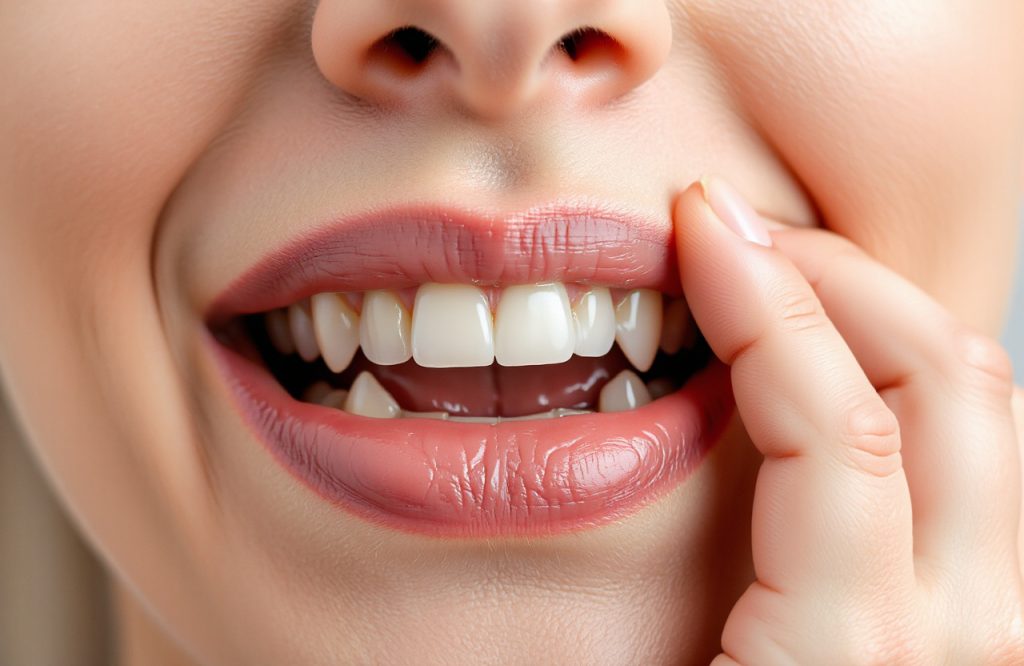
Receding gums occur when the gum tissue pulls away from the teeth, exposing the roots. This condition increases the risk of tooth decay, infection, and potential tooth loss. Severe gum recession can lead to symptoms such as tooth sensitivity, pain, or infection.
The Importance of Healthy Gums
The gums, or gingiva, are the dense soft tissue lining of the mouth that protects the roots of the teeth. Maintaining healthy gums is crucial for overall dental health.
Causes of Receding Gums
Prevalence Among Older Adults
Receding gums are particularly common in individuals over 40 years of age, with around 88% of those over 65 experiencing at least one site of recession. However, gum recession is not a guaranteed aspect of aging.
Contributing Factors
Several factors can contribute to receding gums, including poor dental hygiene, wear and tear, and aggressive tooth brushing. Periodontal (gum) disease is often a significant cause. This disease begins with the accumulation of plaque, which, if not removed, produces toxins that irritate the gums, leading to gingivitis.
In the early stages, gum disease is reversible and can be managed with dental intervention. However, if left untreated, it may progress to chronic inflammatory periodontal disease, resulting in the destruction of tissues and bone, and potentially leading to tooth loss.
Risk Factors
Risk factors for developing gum disease include smoking, hormonal changes in women, diabetes, and genetic predisposition. Common symptoms encompass bad breath, red or swollen gums, bleeding during brushing, painful chewing, and sensitivity of loose teeth.
Treatment Options for Receding Gums
Managing Mild Gum Recession
For mild cases of gum recession, deep cleaning may be effective. This process involves removing plaque and tartar buildup and smoothing exposed root areas to hinder bacterial attachment.
Natural Remedies
Several natural remedies have been suggested for treating receding gums:
– **Green Tea**: Contains catechins that promote periodontal health by reducing inflammation and bacterial growth.
– **Aloe Vera**: Studies indicate it can decrease bleeding, inflammation, and swelling of the gums.
– **Oil Pulling**: This technique involves swishing oil in the mouth to strengthen teeth and gums; the oil should be discarded afterward due to its bacterial content.
To address sensitivity due to exposed roots, dentists can recommend specific products to protect these areas from decay.
Surgical Treatments
In severe cases, surgical intervention may be necessary:
– **Flap Surgery**: Involves lifting the gums, removing tartar, and suturing them back into place to prevent bone loss.
– **Gum Grafting**: Tissue can be grafted from another part of the mouth to cover exposed roots, reinforcing fragile gum tissue.
– **Bone Grafting**: Involves placing natural or synthetic bone in areas that have lost bone due to periodontitis.
Preventing Gum Recession
Oral Hygiene Practices
Good oral hygiene is essential for preventing gum conditions:
– Brush twice daily with a soft toothbrush using mild pressure and small circular motions.
– Avoid hard bristles that can damage gums.
– Floss regularly to remove plaque between teeth.
– Schedule routine dental check-ups.
Consistent brushing and flossing, along with regular dental visits, are vital for protecting gums and preventing recession. Additionally, maintaining a balanced diet and avoiding tobacco use are crucial preventive measures.
References
1. Kassab M and Cohen R. (2003). The etiology and prevalence of gingival recession. JADA, 134(2), 220-225. Retrieved from: https://jada.ada.org/article/S0002-8177(14)61986-3/fulltext
2. Jati A, Furquim L and Consolaro A. (2016). Gingival recession: its causes and types, and the importance of orthodontic treatment. Dental Press J Orthod, 21(3), 18-29. Retrieved from: https://www.ncbi.nlm.nih.gov/pmc/articles/PMC4944726/
3. Chatterjee A, et al. (2012). Green tea: a boon for periodontal and general health. J Indian Soc Periodontol, 16(2), 161-167. Retrieved from: https://www.ncbi.nlm.nih.gov/pmc/articles/PMC3459493/
4. Bhat G, Kudva P and Dodwad V. (2011). Aloe vera: nature’s soothing healer to periodontal disease. J Indian Soc Periodontol, 15(3), 205-209. Retrieved from: https://www.ncbi.nlm.nih.gov/pmc/articles/PMC3200013/
5. Singh A and Purohit B. (2011). Tooth brushing, oil pulling and tissue regeneration: a review of holistic approaches to oral health. J Ayurveda Integr Med, 2(2), 64-68. Retrieved from: https://www.ncbi.nlm.nih.gov/pmc/articles/PMC3131773/