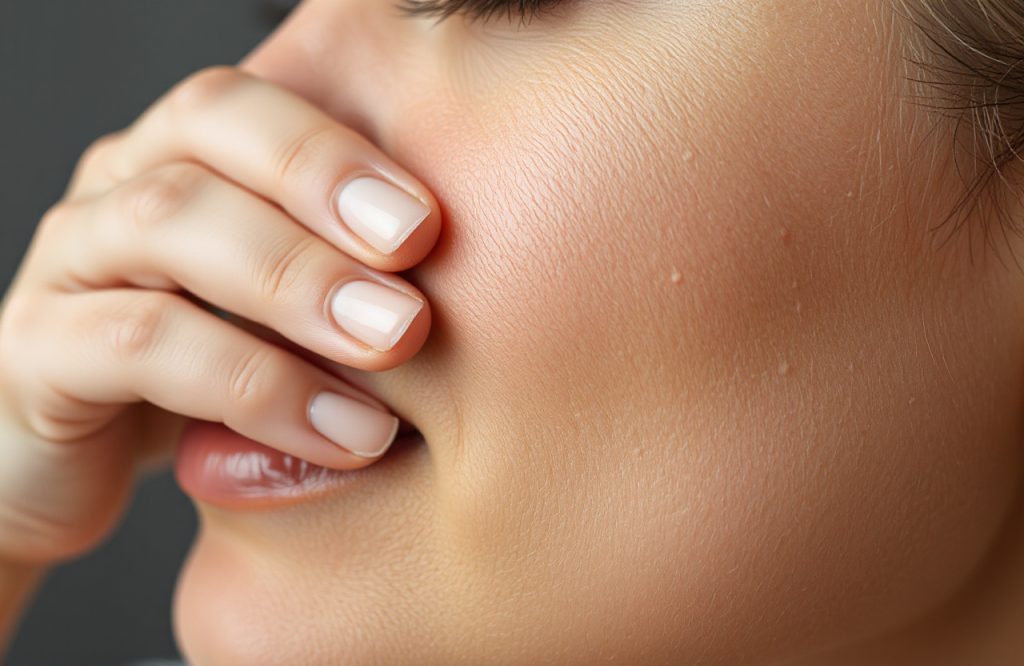
Topical Rapamycin as a Skin Treatment: A Study by Drexel University
Introduction to Rapamycin
Scientists from Drexel University College of Medicine in the United States have explored the potential of topical rapamycin as a treatment to protect and rejuvenate the skin. Rapamycin is primarily known for its use in transplant patients to prevent graft rejection. Previous research has indicated its effectiveness in slowing down aging in animal models, such as mice. This study marks the first demonstration of rapamycin’s effectiveness in human subjects.
Study Overview
The research involved 13 participants from the Dermatology Department at Drexel University College in Philadelphia. Participants were instructed to apply rapamycin cream to one hand every 1-2 days at night, while a placebo cream was applied to the other hand. Skin assessments for appearance—including wrinkles, pigmentation, and overall skin tone—were conducted at two, four, six, and eight months. Additionally, blood levels of rapamycin were measured, and skin biopsies were performed.
Findings on Aging Skin
The results revealed a significant benefit of rapamycin for aging skin. The application of rapamycin cream led to a reduction in inflammatory molecules within the skin. Notably, levels of the protein p16—a marker of tissue aging—were significantly lower in the epidermis treated with rapamycin. This decrease in p16 levels suggests a reduction in the number of aging cells within the tissue.
Effects of Prolonged Use
The topical application of rapamycin not only prevented cellular aging but also promoted the clearance of aging cells, resulting in reduced wrinkles and improved skin tone. These positive effects were observable after four months of rapamycin cream use, with further enhancements noted with continued application. Importantly, rapamycin was not detected in the blood samples of the participants, indicating targeted action at the application site.
Conclusion and Future Research Directions
This study suggests that topical rapamycin may offer benefits for aging skin. However, additional research is necessary to explore its clinical applications and practical use in skin rejuvenation.
References
Chung, C., Lawrence, I., Hoffman, M., Elgindi, D., Nadhan, K., Potnis, M., Jin, A., Sershon, C., Binnebose, R., Lorenzini, A. and Sell, C. (2019). Topical rapamycin reduces markers of senescence and aging in human skin: an exploratory, prospective, randomized trial. GeroScience. [online] Available at: https://link.springer.com/article/10.1007%2Fs11357-019-00113-y
EurekAlert!. (2019). Rapamycin may slow skin aging, Drexel study reports. [online] Available at: https://eurekalert.org/pub_releases/2019-11/du-rms112519.php [Accessed 2 Dec. 2019].