Advancements in Magnetic Nanoparticle Cancer Treatment at Oregon State University
Introduction to Magnetic Hyperthermia
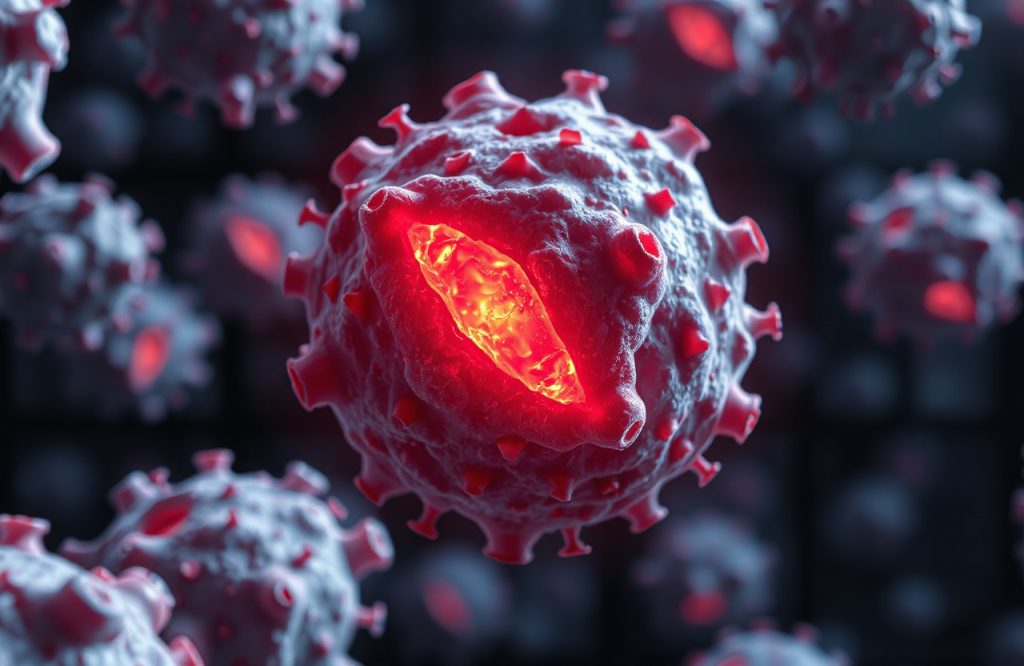
Researchers at Oregon State University have made significant strides in enhancing techniques that utilize magnetic nanoparticles to target and destroy cancer cells through heat. These nanoparticles, which are nearly one billionth of a meter in size, generate heat within cancer cells when exposed to an alternating magnetic field. This innovative cancer treatment method is referred to as magnetic hyperthermia, and it operates on the principle that cells can trigger programmed cell death, or apoptosis, when heated to temperatures between 42 and 46°C. Preliminary clinical trials have shown promise for using magnetic hyperthermia in treating glioblastoma and prostate cancer.
Challenges in Magnetic Hyperthermia Implementation
Despite the successes observed, there are several challenges that must be addressed before magnetic hyperthermia can become a standard cancer treatment. One major hurdle is the precise targeting of magnetic nanoparticles within cancer cells. Currently, nanoparticles are administered directly into localized tumors, which poses limitations for tumors located deep within the body.
Intravenous Delivery Method
Intravenous (IV) administration presents an alternative method for delivering nanoparticles to hard-to-reach tumors, including primary tumors and small metastatic growths. However, this approach faces challenges, particularly the inadequate accumulation of nanoparticles in tumor cells. Additionally, traditional iron oxide nanoparticles (IONP) often do not heat sufficiently to effectively eliminate tumor cells.
Innovations in Nanoparticle Composition
To tackle these obstacles, Dr. Oleh Taratula and his team at Oregon State University modified the composition and shape of the iron oxide nanoparticles, resulting in enhanced heating efficiency. The newly developed hexagon-shaped cobalt and manganese-doped iron oxide nanoparticles (CoMn-IONP) demonstrated the ability to effectively kill cancer cells in both cell cultures and mouse models, as documented in their publication in ACS Nano.
Experimental Results
In laboratory experiments, the modified CoMn-IONP effectively raised the temperature of cancer cells by 17°C, reaching 46°C in just eight minutes. In contrast, unmodified IONP only raised the temperature by 3°C. Subsequently, the researchers injected the nanoparticles into mice with ovarian tumors implanted under their skin. Within five hours, the nanoparticles predominantly accumulated in the tumor cells. Activation of the nanoparticles with an alternating magnetic field for 30 minutes, repeated weekly for four weeks, resulted in a tumor volume reduction in treated mice that was five times greater than that observed in mice treated with unmodified IONP.
Safety and Efficacy of Nanoparticles
Importantly, the research team found that the nanoparticles were effective at killing cancer cells only upon activation and were not toxic to normal, healthy cells. They also did not alter the genetic information in cells, minimizing concerns about unwanted mutations.
Future Directions for Magnetic Hyperthermia
The promising results from this study suggest a bright future for magnetic hyperthermia in treating various tumors, including those difficult to reach surgically or metastatic tumors. Dr. Olena Taratula, a lead author of the study, stated, “Our new nano platform is a milestone for treating difficult-to-access tumors with magnetic hyperthermia. This is a proof of concept, and the nanoclusters could potentially be optimized for even greater heating efficiency.”
Addressing Safety Concerns
Despite the positive outcomes, several safety concerns must be addressed before magnetic hyperthermia can be widely adopted. One such concern is the unintended heating of healthy cells adjacent to tumor cells during nanoparticle activation. There is currently no consensus on the safe strength of the alternating magnetic field used for activation. Future clinical studies will be essential to establish treatment standards and optimize systems that deliver the magnetic field specifically to tumor regions, minimizing impact on healthy tissue.
Conclusion and Recommendations
Dr. Olena Taratula emphasized the need for future studies to utilize orthotopic animal models to investigate deep-seated tumors in their natural locations within the body. She added that optimizing current alternating magnetic field systems or developing new ones will be crucial for reducing heating of healthy tissue.
References
Albarqi HA, Wong LH, Schumann C, Sabei FY, Korzun T, Li X, Hansen MN, Dhagat P, Moses AS, Taratula O, Taratula O. Biocompatible Nanoclusters with High Heating Efficiency for Systemically Delivered Magnetic Hyperthermia. ACS Nano. 2019 Jun 25;13(6):6383-6395.
Chang David, Lim May, Goos Jeroen A. C. M., Qiao Ruirui, Ng Yun Yee, Mansfeld Friederike M., Jackson Michael, Davis Thomas P., Kavallaris Maria. Biologically Targeted Magnetic Hyperthermia: Potential and Limitations. Frontiers in Pharmacology. 2018. Volume 9, p831.
Press release: Researchers reach milestone in use of nanoparticles to kill cancer with heat. Available at: https://www.eurekalert.org/multimedia/pub/204856.php?from=434149
Photo credit: Tetiana Korzun