AI’s Role in Predicting Fall Risk Through CT Scans
Study Overview
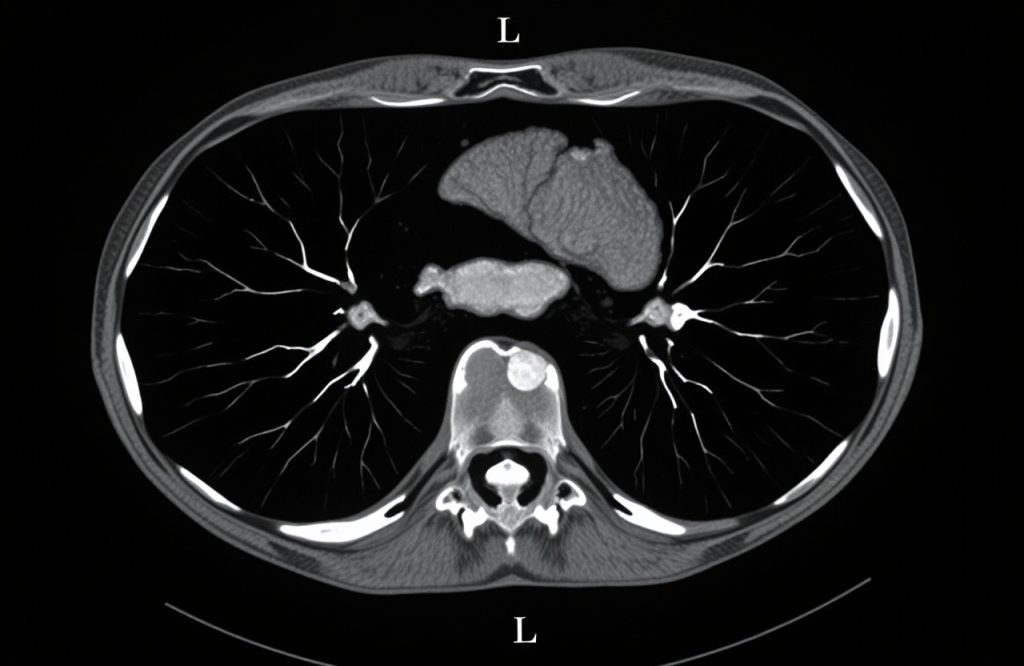
Recent research indicates that artificial intelligence (AI) can effectively analyze abdominal CT scans to identify adults at an increased risk of falling, particularly from middle age onward.
Key Findings
The study reveals that the quality of abdominal muscles, specifically muscle density, serves as a more reliable predictor of fall risk compared to muscle size. Notably, these associations were observed not only in older adults but also in individuals aged 45 and above, suggesting that markers indicating fall risk may emerge earlier than previously thought.
Importance of Core Strength
The findings underscore the significance of maintaining robust core strength throughout adulthood as a potential strategy for reducing future fall risk. As individuals age, the likelihood of falls escalates due to a variety of factors, including declines in balance and strength.
Statistics on Falls
According to the Centers for Disease Control and Prevention (CDC), falls are the leading cause of injury among adults aged 65 and older, impacting approximately one in four older adults. The CDC estimates that there are around 1 million fall-related hospitalizations each year among older adults, with nearly 319,000 hospitalized specifically for hip fractures.
Prevention Strategies
There are numerous strategies available to assist older adults in preventing falls. Exercise programs designed to enhance balance, strength, and coordination are particularly beneficial. These programs often focus on core strength, which is essential for stability and ease of movement in daily activities.
Implications of the Study
Published in Mayo Clinic Proceedings: Digital Health, the recent study highlights the critical role of core muscle quality, especially muscle density, as a prominent indicator of future fall risk. The research suggests that incorporating AI into routine abdominal CT scans could enable early identification of individuals at a heightened risk of serious falls, allowing for timely interventions.