Research Advances in Zika Virus Diagnosis and Treatment
Overview of Zika Virus Disease
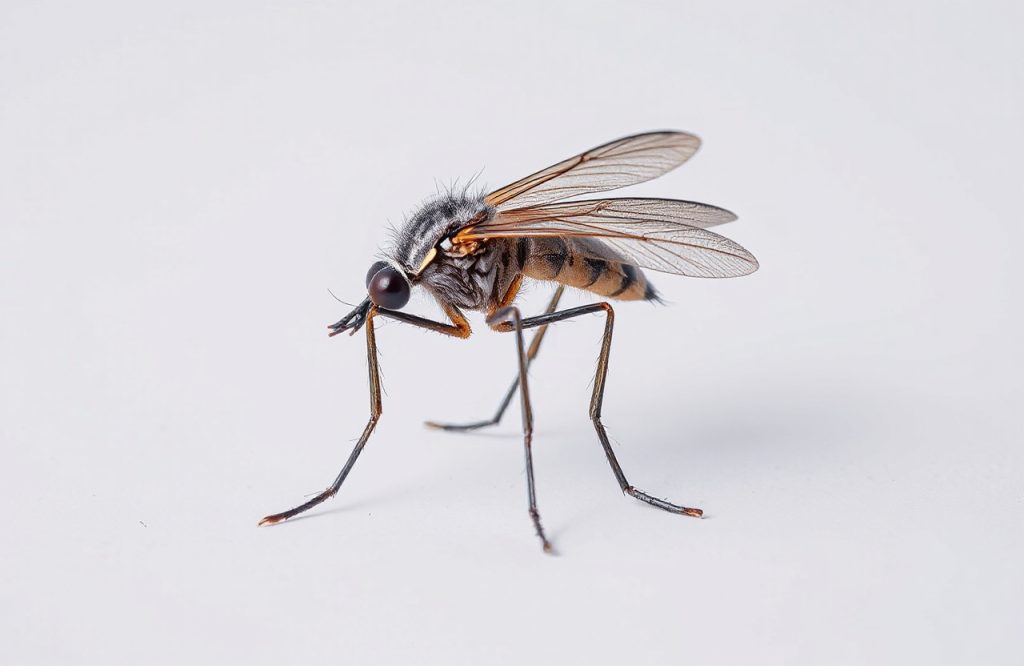
Zika virus disease, commonly referred to as Zika fever or Zika virus infection, is primarily transmitted through the bite of an infected Aedes mosquito. Additionally, the virus can spread through blood transfusions, sexual contact, and organ transplants. Symptoms often include mild fever, rash, conjunctivitis, muscle and joint pain, and headaches, resembling a mild form of dengue fever.
In pregnant women, Zika infection significantly increases the risk of birth defects. According to the Centers for Disease Control and Prevention (CDC), nearly 10% of babies born to women with confirmed Zika infections during pregnancy in U.S. states and about 5% in U.S. territories exhibited Zika-related birth defects. This infection can lead to severe pregnancy complications, including fetal loss, stillbirth, and preterm birth.
Lack of Treatment Options
Diagnosis of Zika virus infection is often suspected based on symptoms, particularly in individuals residing in or traveling to areas where the virus is prevalent. Currently, laboratory tests of blood or other bodily fluids are necessary for confirming an infection. Despite the absence of curative treatments or vaccines for Zika, symptomatic relief—such as rest, hydration, and common fever medications—is typically recommended.
Development of New Antibodies
A recent study published in PLOS ONE highlights innovative research conducted by U.S. scientists using ribosome display technology. This method allowed the selection and evolution of proteins from a highly diverse antibody library that binds to the Zika virus. The researchers successfully generated six synthetic antibodies tailored to recognize the virus, which could be utilized in future diagnostic or therapeutic applications.
These antibodies are cost-effective to produce and have the potential to be incorporated into simple filter paper tests for field detection of the virus. Notably, one of the antibodies, known as scFvs, shows promise for dual functionality, capable of both diagnosing Zika virus and potentially treating infections.
Implications for Future Research
This study paves the way for advancements in the diagnosis and treatment of Zika virus disease. Further research is essential to evaluate the practical application of these findings for rapid diagnosis and management of Zika virus infections.
Author and Reference
Written by Man-tik Choy, Ph.D.
Reference: Kunamneni, A. et al. Ribosome display for the rapid generation of high-affinity Zika-neutralizing single-chain antibodies. PLOS ONE, 2018; 13(11): e0205743. DOI: 10.1371/journal.pone.0205743.