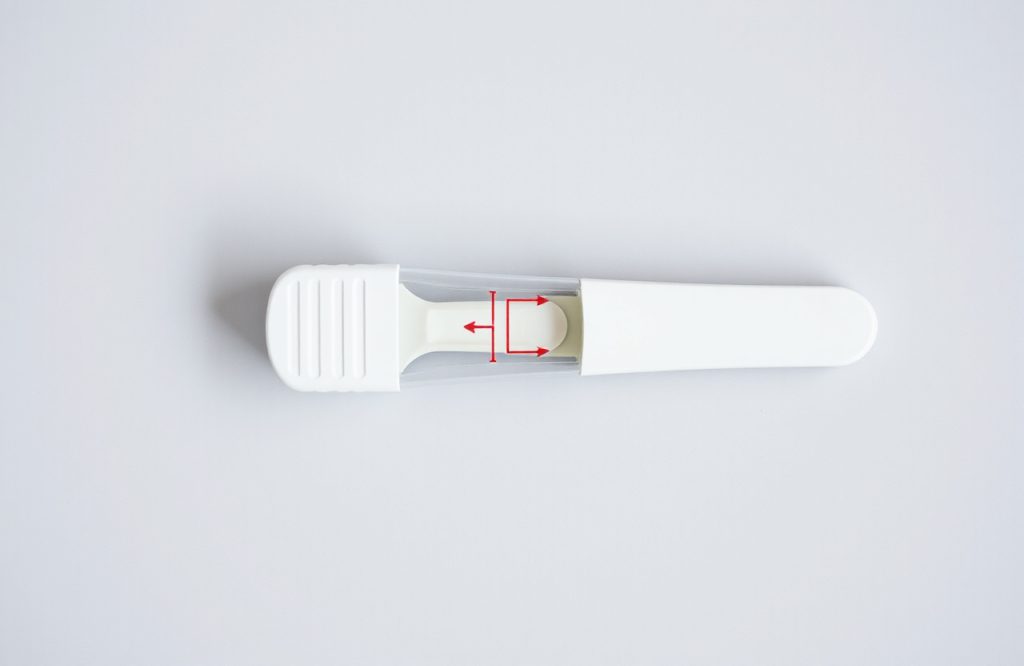
New Urine Test Developed for Prostate Cancer Diagnosis
Overview of Prostate Cancer Diagnosis
Prostate cancer is the most frequently diagnosed non-skin cancer among men in the United States. These cancers typically grow slowly, making them challenging to treat. Continuous assessment and monitoring are essential to identify when the cancer becomes more aggressive. Traditionally, early detection relies on a blood test that measures prostate-specific antigen (PSA) along with a digital rectal examination (DRE). If abnormalities are found, biopsies are performed using a transrectal ultrasound-guided technique, which can be uncomfortable for patients. Given the slow-growing nature of prostate cancers, PSA tests and DREs are usually conducted every 3 to 6 months to monitor disease progression.
Limitations of Current Diagnostic Methods
The PSA blood test has limitations, as elevated PSA levels may also result from benign prostate hyperplasia or prostatitis, leading to a high false-positive rate. This can result in overdiagnosis and unnecessary overtreatment, exposing many men to potential side effects such as sexual impotence, urinary incontinence, and bowel complications. Consequently, the existing diagnostic methods are not ideal for early detection and monitoring of prostate cancer.
Emerging Non-Invasive Diagnostic Tests
Various non-invasive diagnostic tests are being developed for prostate cancer detection, many of which focus on biomarker analysis. These biomarkers, which include DNA, RNA, and proteins secreted by cancer cells, can be found in bodily fluids. Urine is particularly suitable for this purpose, as it flows through the prostate and can contain cancer-specific biomarkers. Urine collection is simple, non-invasive, and safe, making it an attractive option for diagnostic use. Examples of existing urine tests include prostate cancer antigen 3 (PCA3), ExoDx Prostate Intelliscore, and SelectMDx, with PCA3 already commercially available. However, many of these tests still require a DRE before urine samples can be collected.
Development of a Home-Based Diagnosis Method
Recent research published in BioTechniques by UK scientists aimed to create a prostate cancer diagnostic method that could be performed at home without the need for prostate massage. The researchers explored two techniques for isolating RNA from urine samples: MicroF, which employs a micro-sieving method, and Hive, which utilizes a novel high-volume vacuum extraction approach. The Hive method yielded higher RNA quantities in both fresh and frozen samples, leading the team to adopt it for further analysis.
Stabilizing RNA for Accurate Results
To enhance RNA stability at room temperature, the researchers assessed different preservatives, comparing Hologic (used in PCA3 tests) and Norgen. Norgen proved more effective in preventing RNA degradation over a six-month period. To ensure stability, the scientists coated sample collection tubes with dried Norgen.
Participant Study and Results
The study involved fourteen men who collected urine samples at home using provided kits and instructions. To address concerns about biomarker detection without a DRE, participants provided urine samples under three conditions: one sample post-DRE at a clinic and two home-collected samples (the first urination of the day and a second one an hour later). The urine was analyzed for RNA presence of three specific genes: KLK3, PCA, and TMPRSS2:ERG, which are overexpressed in prostate cancer. The results indicated that RNA yields from home-collected samples were comparable to post-DRE samples, with improved TMPRSS2:ERG yields from the home kit.
Implications and Future Research
This at-home diagnostic tool shows promise in terms of practicality and feasibility. However, further validation is necessary. The correlation between the expression of the three genes and patient outcomes, as well as disease progression, needs to be established. Additionally, comparing this method with standardized tests will be crucial to assess its specificity and selectivity. Understanding how gene expression evolves during disease progression could also provide insights into tracking cancer development and treatment response.
References
Hendriks, R., Van Oort, I. & Schalken, J. Blood-based and urinary prostate cancer biomarkers: a review and comparison of novel biomarkers for detection and treatment decisions. Prostate cancer and prostatic diseases 20, 12 (2017).
Wu, D. et al. Urinary biomarkers in prostate cancer detection and monitoring progression. Critical reviews in oncology/hematology 118, 15-26 (2017).
Simoes, G. F., Sakuramoto, P., dos Santos, C. B., Furlan, N. K. C. & Augusto, T. M. in Pathophysiology-Altered Physiological States (IntechOpen, 2018).
Litwin, M. S. & Tan, H.-J. The diagnosis and treatment of prostate cancer: a review. Jama 317, 2532-2542 (2017).
Webb, M. et al. Methodology for the At-Home Collection of Urine Samples for Prostate Cancer Detection. Biotechniques (2019).