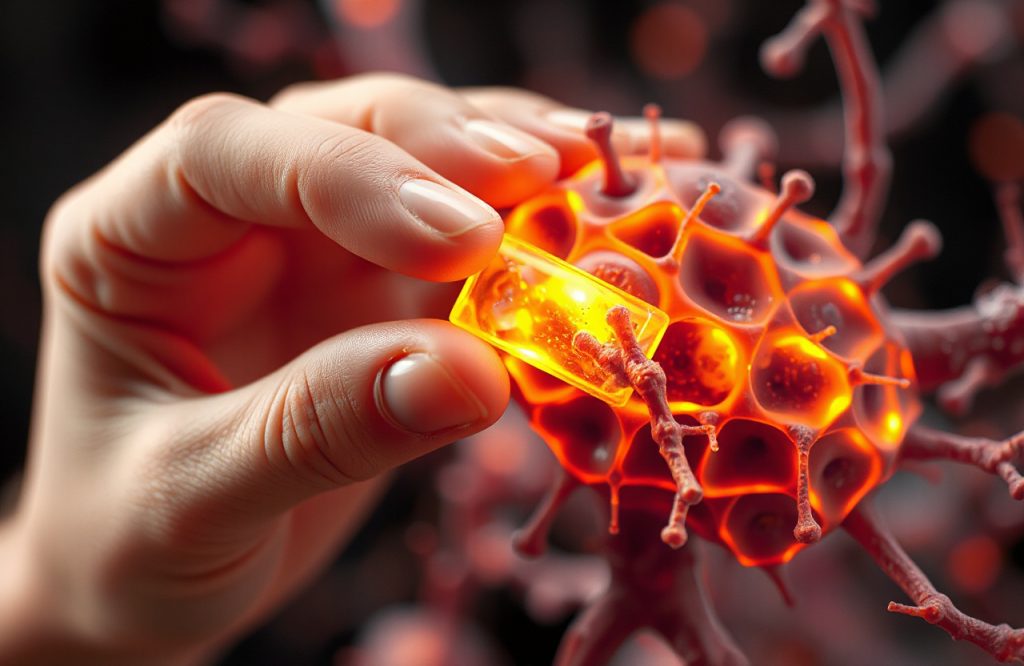
Advancements in Biosensors for Neurotransmitter Detection
Overview of Neurotransmitters
A recent review published in the Journal of Biosensors discusses significant advancements in the development of biosensors designed to detect neurotransmitters in the human brain. Neurotransmitters are vital biological chemicals that facilitate communication between nerve cells. While approximately 50 neurotransmitters have been identified, the most well-known include glutamate, dopamine, and serotonin. These neurotransmitters play crucial roles in regulating various neurophysiological processes such as memory, cognition, attention, alertness, and behavioral states. Fluctuations in neurotransmitter levels can lead to various mental and physical disorders, including Alzheimer’s disease, Parkinson’s disease, schizophrenia, and specific cancers. Therefore, the timely and accurate measurement of neurotransmitter levels is essential for the effective diagnosis and monitoring of these conditions.
The Role of Biosensors
Biosensors are analytical devices that convert biological responses into electrical signals. The rapid advancements in nanotechnology over the past decade have led to the creation of new biosensors capable of detecting neurotransmitters in both chemical and biological samples. Nanoparticles, due to their small size, possess unique physical and chemical properties that allow them to penetrate biological barriers and reach target tissues without significant toxicity. Additionally, nanomaterials can be conjugated with medications, contrast agents, and other biological substances, enhancing the design of more effective bioassays. These biosensors have demonstrated greater stability and sensitivity compared to traditional diagnostic methods.
Recent Research Findings
In a recent edition of the Journal of Biosensors and Bioelectronics, a team of scientists from South Korea summarizes the latest advancements in biosensors for neurotransmitter detection.
Glutamate
Glutamate, recognized as the most abundant neurotransmitter in mammals, plays a critical role in normal brain functions such as memory, learning, and cognition. It is distributed throughout the extracellular fluids of the brain, and variations in blood glutamate levels can result from brain injuries. Even minor fluctuations in glutamate concentration can lead to neurological disorders such as schizophrenia, epilepsy, or Alzheimer’s disease. Recent studies have shown that carbon nanotube-modified platinum electrodes can accurately detect glutamate in liquid samples derived from isolated rat brain nerves.
Dopamine
Dopamine serves as a key inhibitory neurotransmitter, influencing cardiovascular, hormonal, renal, and central nervous system functions. Abnormal dopamine levels can lead to serious neurological disorders, notably Parkinson’s disease. Researchers have developed biosensors that selectively monitor potassium ion-induced dopamine levels in human blood serum and urine samples. The sensing electrodes are enhanced with gold nanoparticles and silver nanowires to improve sensitivity and detection limits.
Serotonin
Serotonin, a monoamine neurotransmitter, is associated with feelings of well-being and happiness. Low serotonin levels are linked to depression, while elevated levels may contribute to carcinoid syndrome. A recent method using a polymelamine-modified edge plane pyrolytic graphite biosensor enables qualitative and quantitative characterization and simultaneous determination of serotonin in spiked human serum and urine samples, eliminating the need for sample pretreatments or time-consuming extractions.
Future Perspectives
Biosensors represent a promising approach for neurotransmitter detection. Ongoing development of ultra-small, multiplexed, nanoarray, and label-free biosensors is expected to enhance clinical and pharmaceutical applications in the future.
Reference
Moon, J.M. et al. 2018. Conducting polymer-based electrochemical biosensors for neurotransmitters: A review. Biosensors and Bioelectronics, 102, 540-552. DOI 10.1016/j.bios.2017.11.069.