Advancements in Diagnosing Chronic Fatigue Syndrome
Challenges in Diagnosis
Chronic fatigue syndrome (CFS), also referred to as myalgic encephalomyelitis (ME), lacks a definitive test for diagnosis. This absence of a singular diagnostic tool complicates the process because many symptoms overlap with those of other conditions, such as fibromyalgia and multiple sclerosis.
Breakthrough Blood Test
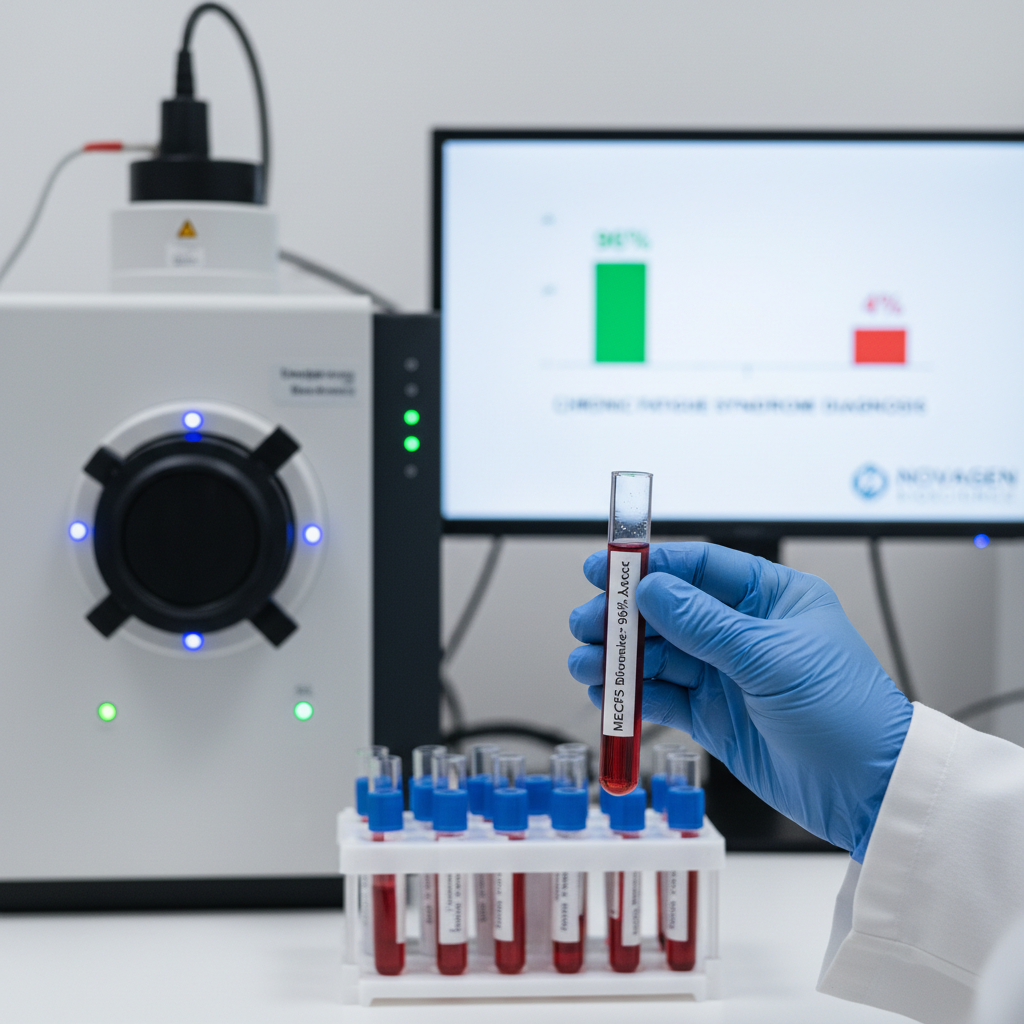
Researchers from the University of East Anglia, in collaboration with the biotechnology firm Oxford Biodynamics, have made significant strides by developing a blood test that boasts a 96% accuracy rate for diagnosing ME/CFS. This advancement is crucial, as it is estimated that 17 to 24 million people worldwide suffer from this debilitating condition.
Symptoms and Impact
ME/CFS is a neurological disorder that adversely affects various body systems and functions. Common symptoms include extreme fatigue, swollen lymph nodes, flu-like sensations, muscle cramps, and hair loss. The overlap of these symptoms with other diseases contributes to the diagnostic challenge.
Expert Insights
Dmitry Pshezhetskiy, MBBS, PhD, a professorial research fellow at the Norwich Medical School at the University of East Anglia, emphasized the struggles faced by individuals living with ME/CFS. He stated, “For decades, people living with ME/CFS have faced enormous challenges in getting a clear diagnosis. The symptoms are real, often severe, and life-changing, yet there has been no objective medical test to confirm the condition. Diagnosis has depended entirely on history, symptom checklists, and the exclusion of other diseases.”
Research Publication
Pshezhetskiy is the lead author of a recent study published in the Journal of Translational Medicine, which outlines the development of the blood test for diagnosing ME/CFS. The research highlights the complex nature of the condition, as prior studies have noted the absence of a single biomarker for ME/CFS, underscoring its multifactorial characteristics.