A New Approach to Diagnosing Endometriosis
Understanding Endometriosis
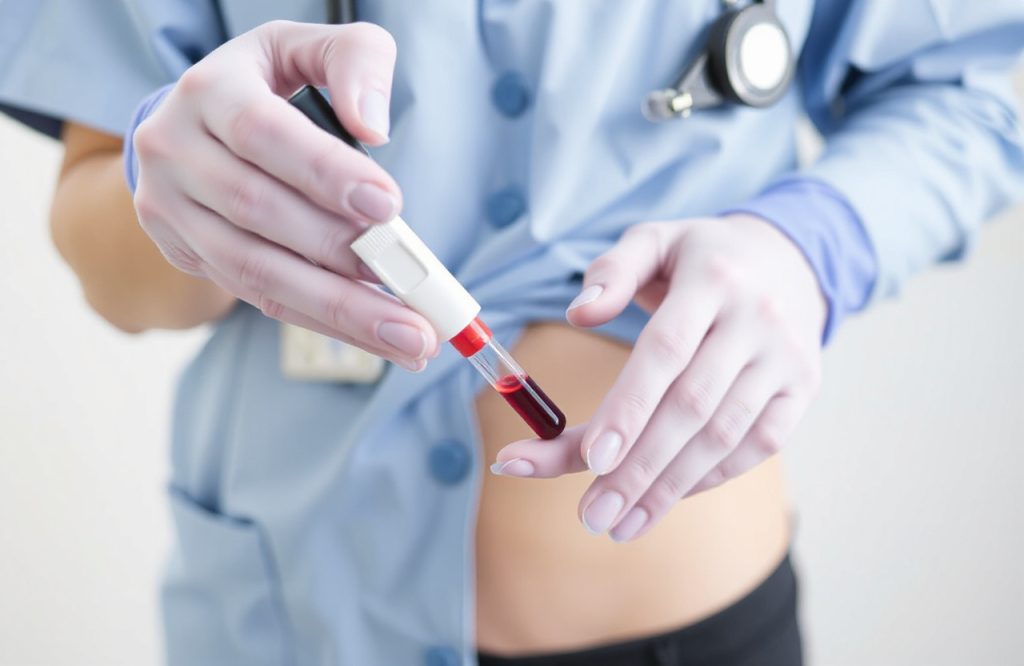
Endometriosis is a complex condition that affects millions of women worldwide. Characterized by the growth of endometrial tissue outside the uterus, it can lead to a variety of symptoms, including chronic pain and difficulties with conception. Currently, the definitive diagnosis of endometriosis requires surgical intervention, which can be invasive and carries associated risks. Consequently, medical professionals are exploring less invasive diagnostic alternatives, including blood tests that analyze biomarkers for early detection.
The Challenges of Diagnosis
Diagnosing endometriosis can be particularly challenging due to the variability of its symptoms. Many women may not experience noticeable symptoms until the disease has progressed significantly, leading to issues such as pain and infertility. The overlap of endometriosis symptoms with other medical conditions often results in misdiagnosis. Common symptoms include chronic pelvic pain, bladder problems, depression, and fatigue. Traditionally, surgery to remove endometrial lesions has been considered the gold standard for diagnosis; however, this approach is rarely employed in early stages due to the potential risks.
Advancements in Diagnostic Methods
There is a strong desire among women for a definitive diagnosis and subsequent treatment to alleviate pain and address fertility concerns, especially during their reproductive years. The development of blood tests for early detection of endometriosis is crucial, given the profound physical, mental, and financial impacts of the disease. According to Moustafa et al. (2020), “Identifying and treating the disease sooner would potentially prevent complications of the advanced disease such as infertility while decreasing the economic burden of untreated endometriosis.”
In their research, Moustafa et al. focused on a specific type of micro RNA (miRNA) in blood samples, revealing elevated levels of epigenetic nucleotides associated with advanced endometriosis. By isolating this particular miRNA and testing a diverse group of women, the study aimed to evaluate the effectiveness of this less invasive detection method. The findings were promising, as the study identified specific miRNAs linked to endometriosis rather than relying on generalized inflammatory markers.
Diagnosis and Treatment of Endometriosis
Conducting quality, evidence-based research is essential but time-consuming, particularly for a disease as non-specific and widespread as endometriosis. The urgency to identify the condition earlier and initiate treatment is compelling due to its prevalence. While hormone therapy can serve as an alternative to surgical intervention for managing pain, treatment options become more complex when addressing fertility issues. Close communication with healthcare providers is vital to select the most appropriate treatment strategy for each patient.
Future Directions in Endometriosis Diagnosis
The future looks promising for diagnostic alternatives and treatments for endometriosis. The introduction of blood tests that target specific miRNA biomarkers opens new pathways for less invasive diagnostics and therapies. This advancement brings hope to patients living with endometriosis, suggesting that more effective diagnosis and treatment options may be on the horizon.
References
Moustafa, Sarah, et al. Accurate diagnosis of endometriosis using serum microRNAs. American Journal of Obstetrics and Gynecology 223.4 (2020): 557-e1. https://doi.org/10.1016/j.ajog.2020.02.050
Chapron, C., Marcellin, L., Borghese, B. et al. Rethinking mechanisms, diagnosis and management of endometriosis. Nat Rev Endocrinol 15, 666–682 (2019). https://doi.org/10.1038/s41574-019-0245-z
Saunders, Philippa TK, and Andrew W. Horne. Endometriosis: Etiology, pathobiology, and therapeutic prospects. Cell 184.11 (2021): 2807-2824. https://doi.org/10.1016/j.cell.2021.04.041