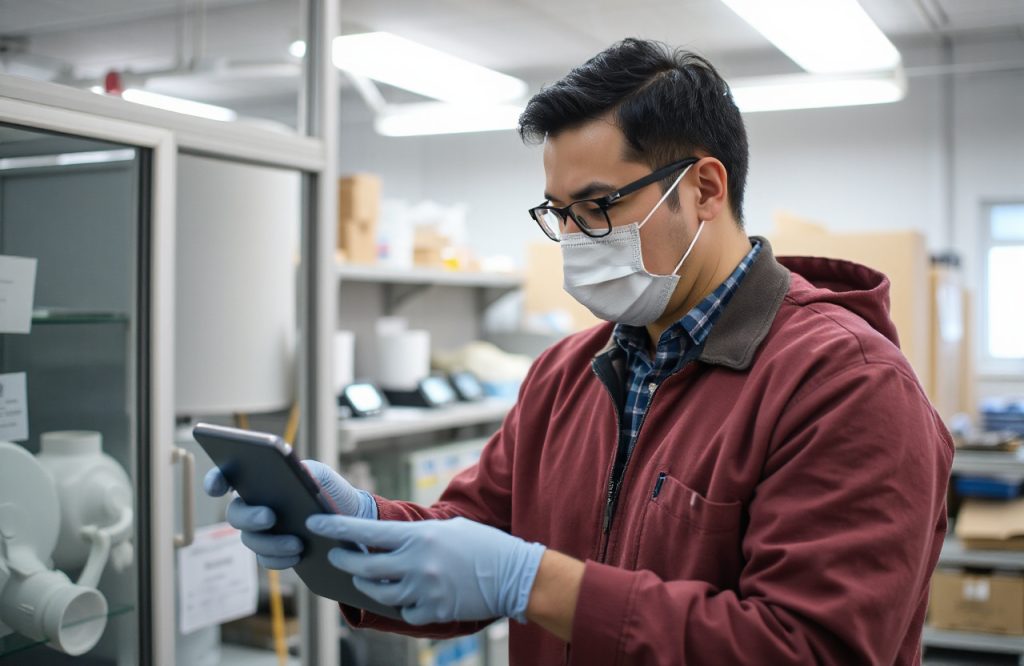
New Point-of-Care Device for SARS-CoV-2 Testing
Challenges in Identifying SARS-CoV-2 Infections
A recent study published in Cell highlights the development of a rapid and user-friendly point-of-care device designed for SARS-CoV-2 testing. The challenge of reducing SARS-CoV-2 transmission has been exacerbated by difficulties in identifying pre-symptomatic, symptomatic, and asymptomatic individuals. While medical professionals globally are working on effective treatments, reliable testing remains essential to mitigate the virus’s spread. Current testing methods face significant barriers, including inaccessibility, high costs, and prolonged wait times for results.
Development of a Portable Testing Device
Researchers have successfully created a sensitive, accurate, and rapid portable device for SARS-CoV-2 testing. The conventional standard for SARS-CoV-2 testing is the polymerase chain reaction (PCR) method, which detects DNA in samples through a series of complex and expensive steps involving specialized laboratory equipment. Alternatives, including CRISPR diagnostics, have emerged, with CRISPR initially developed for DNA modification.
Innovations in CRISPR Technology
The CRISPR-Cas9 system is commonly utilized for gene editing, where the Cas9 protein is responsible for cutting DNA. In this study, researchers introduced CRISPR-Cas13, which operates similarly but targets RNA instead of DNA. This adaptation marks a significant advancement in the ability to detect SARS-CoV-2.
Study Methodology and Findings
The study aimed to evaluate the effectiveness of the CRISPR-Cas13 system in conjunction with a smartphone-based detection mechanism. Pre-extracted nasal swab samples from SARS-CoV-2 positive patients were analyzed using this method. When the Cas13 protein binds to RNA, it cleaves the sequence and attaches a fluorescent probe detectable by a smartphone camera, allowing researchers to quantify the viral RNA present. This measurement is crucial for assessing a patient’s infectiousness.
The current CRISPR-Cas13 method demonstrated the capability to detect as few as 30 viral particles per microliter of sample, achieving results in just 30 minutes. Additionally, it accurately diagnosed pre-extracted patient RNA in a mere five minutes.
Advantages of the CRISPR-Cas13 System
The new CRISPR-Cas13 system offers accurate SARS-CoV-2 test results using only a smartphone reader. By eliminating the need to detect DNA, this approach surpasses other CRISPR and PCR testing methods. It removes the requirement for expensive laboratory equipment, trained personnel, and lengthy processing times. Most importantly, the test’s sensitivity to minimal viral RNA levels enables clinicians to gauge infectivity more effectively.
Providing quantitative results—specifically the number of viral particles—empowers healthcare professionals to make informed decisions regarding patient care. This innovative point-of-care testing device represents a significant advancement in the rapid and effective containment of viral transmission.
Conclusion
In summary, the CRISPR-Cas13 system signifies a promising step forward in SARS-CoV-2 testing, offering a fast, accessible, and reliable method for detecting the virus. This development may enhance efforts to manage and control the spread of COVID-19.
References
CellPressNews. (n.d.). Researchers adapt cell phone camera for SARS-CoV-2 detection. Retrieved December 12, 2020, from https://www.eurekalert.org/pub_releases/2020-12/cp-rac120420.php
Fozouni, P., Son, S., Díaz de León Derby, M., Knott, G.J., Gray, C.N., D’Ambrosio, M.V., … Ott, M., Amplification-free detection of SARS-CoV-2 with CRISPR-Cas13a and mobile phone microscopy, Cell (2021), doi: https://doi.org/10.1016/j.cell.2020.12.001
Reference to get you started: https://www.eurekalert.org/pub_releases/2020-12/cp-rac120420.php
Image by fernando zhiminaicela from Pixabay