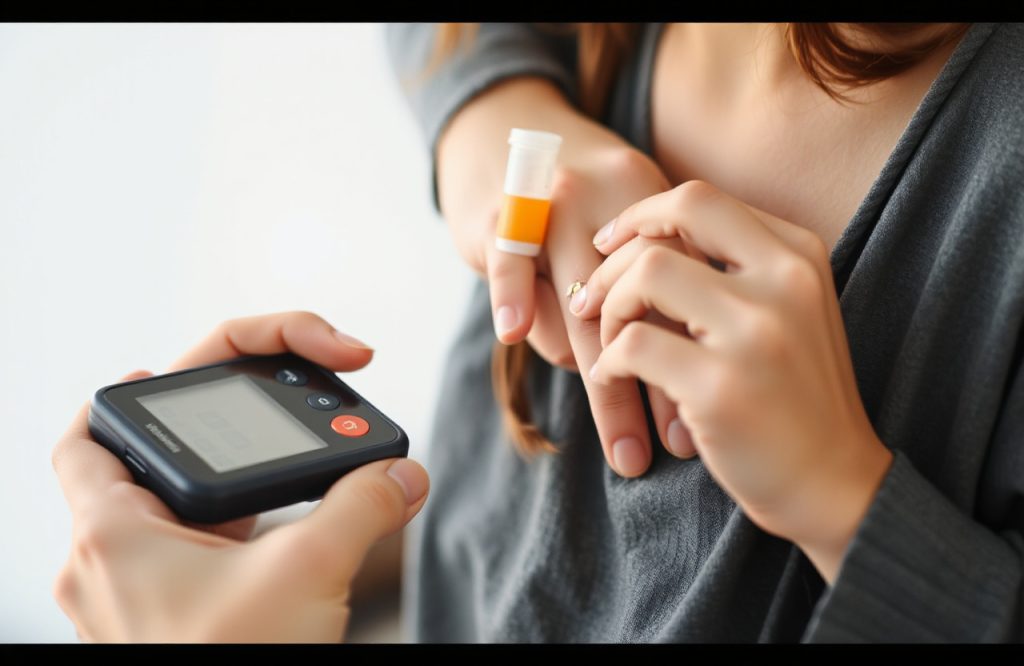
Innovative Device for Non-Invasive Glucose Monitoring and Medication Administration
Addressing Non-Compliance in Diabetic Patients
Scientists have introduced a groundbreaking device designed to monitor glucose levels and deliver medications non-invasively. This advancement aims to tackle non-compliance issues among diabetic patients and help minimize complications arising from inconsistent treatment adherence.
Understanding Diabetes Mellitus
Diabetes Mellitus is a chronic condition marked by insufficient insulin production or heightened resistance to insulin. Effective management of both Type 1 and Type 2 diabetes requires regular blood glucose monitoring and timely administration of anti-diabetic medications. Unfortunately, the discomfort associated with frequent blood draws and insulin injections often leads to patient non-compliance, increasing the risk of complications.
Challenges of Current Monitoring Methods
Research is ongoing to find non-invasive techniques for measuring blood glucose and delivering insulin, which could enhance patient compliance. One promising approach involves measuring glucose levels in sweat; however, this method faces significant challenges. These include:
1. Difficulty in collecting sufficient sweat samples for accurate glucose measurement.
2. Various factors, such as lactic acid levels, temperature fluctuations, and other medications, may interfere with the device’s accuracy.
Breakthrough in Sweat Analysis Technology
In 2017, researchers created a novel device that analyzes glucose levels through sweat and administers corresponding medications, such as metformin or chlorpropamide, via a transdermal route. This device features an ultrathin and stretchable patch designed for optimal comfort.
Advanced Features for Accurate Monitoring
To overcome the challenges of glucose detection, this innovative device incorporates a porous gold nanostructure, enabling it to accurately identify low glucose levels in sweat with high sensitivity. Additionally, it includes multiple waterproof layers for sweat control and uptake, alongside glucose sensors to ensure efficient collection and precise monitoring of glucose levels. Medications will be delivered through microneedles in an appropriate dosage.
Future Prospects
This newly developed device represents a promising solution for glucose monitoring and medication delivery for diabetic patients. Its potential for ease and comfort could make it the preferred method for managing diabetes. However, further research is necessary to establish the relationship between glucose levels in sweat and blood before clinical application can proceed.
Written By: Karla Sevilla