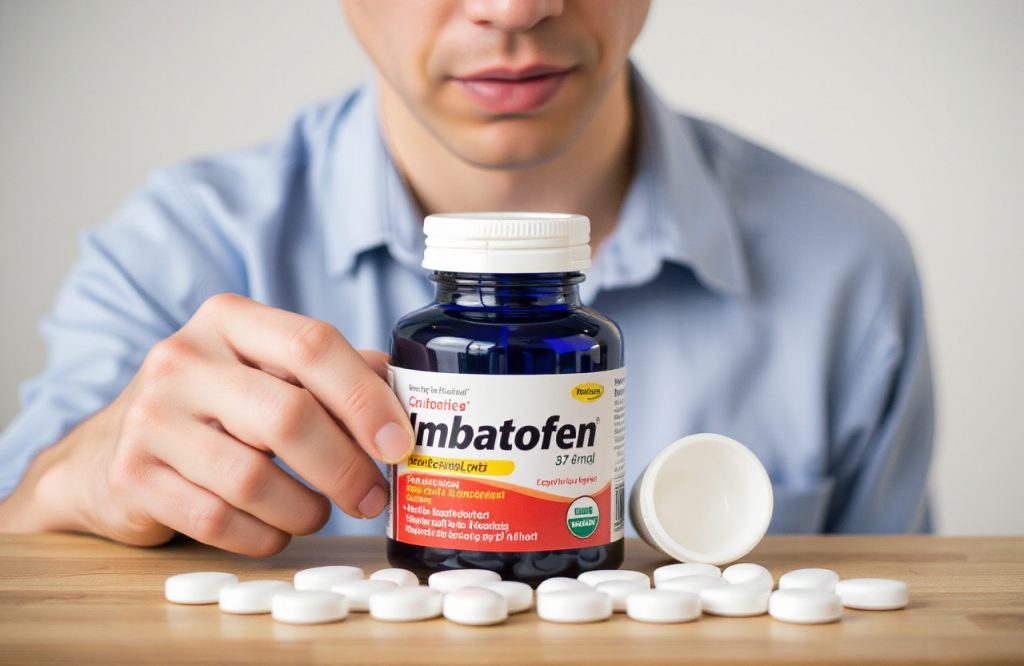
Study Examines Ibuprofen Lozenges for Sore Throat Treatment
Introduction to Sore Throats and Treatment Options
Sore throats represent one of the most frequently encountered conditions in clinical practice. The pain and inflammation associated with sore throats can often be mitigated using over-the-counter non-steroidal anti-inflammatory drugs (NSAIDs), such as ibuprofen. While the gastrointestinal risks of NSAIDs are relatively low, the effectiveness of tablets or capsules is limited by the need for these medications to enter systemic circulation before they can provide relief.
Advantages of Lozenges for Targeted Delivery
Lozenges offer a potential advantage through localized delivery, which may enhance the sustained and targeted drug release to the inflamed area affected by sore throats. To explore this improved delivery method, a collaborative study conducted by researchers from Europe and Australia evaluated the safety and efficacy of low-dose ibuprofen lozenges. The findings of this study were published in the International Journal of Clinical Practice.
Study Design and Methodology
The study enrolled 385 patients who reported sore throat symptoms lasting less than 72 hours. Participants were randomly assigned to receive either 25 mg of ibuprofen lozenges or placebo lozenges. The study consisted of two phases: a stationary phase and an ambulatory phase.
During the stationary phase, participants consumed one lozenge and avoided food or medications for two hours post-ingestion. In the ambulatory phase, they were permitted to take lozenges as needed, with a maximum of six lozenges per day for four days. Patients rated their pain relief at 15-minute intervals during the stationary phase and at longer intervals during the ambulatory phase. Additionally, pain during swallowing was evaluated separately, and investigators monitored participants for any adverse reactions.
Results of Ibuprofen Lozenges
The results indicated that ibuprofen lozenges were significantly more effective in reducing sore throat pain compared to placebo lozenges within the first 60 minutes after dosing. After two hours, the ibuprofen group maintained significantly higher efficacy ratings. Although ibuprofen continued to be preferred in subsequent days, the differences were no longer statistically significant.
The safety profile of ibuprofen lozenges was also favorable, with only 4.1% of patients in the ibuprofen group reporting treatment-related adverse events, primarily headaches and gastrointestinal issues. Compared to earlier studies examining ibuprofen in traditional tablet or capsule forms, the lozenges resulted in fewer adverse events and those experienced were of lesser intensity.
Conclusion and Recommendations
Based on the findings, the investigators conclude that ibuprofen lozenges present a targeted and well-tolerated option for alleviating sore throat pain.
Written by Agustin Dominguez Iino, BSc
Reference: Bouroubiet al. Pain relief of sore throat with a new anti-inflammatory throat lozenge, ibuprofen 25 mg: A randomised, double-blind, placebo-controlled, international phase III study. Int J Clin Pract. 2017 Sep;71(9). doi: 10.1111/ijcp.12961. Epub 2017 Sep 4.