Innovative Non-Invasive Therapy for Post-Concussion Symptoms
Understanding Concussions
Concussions, commonly referred to as mild traumatic brain injuries, represent the most prevalent type of traumatic brain injury affecting cognitive functions. They can occur due to violent shaking or movement of the head or body, often resulting from falls or collisions. While symptoms are typically temporary and may resolve within two weeks, some individuals experience prolonged post-concussion symptoms. These can include headaches, temporary loss of consciousness, dizziness, nausea, and repeated vomiting.
The Challenges of Post-Concussion Symptoms
Currently, there is no active treatment specifically designed for post-concussion symptoms. Approximately 20% of individuals who suffer a concussion endure persistent symptoms that disrupt daily activities and overall functioning. Management of these symptoms generally involves rest and allowing the brain to heal naturally.
Advancements in Magnetic Stimulation Therapy
New Research Findings
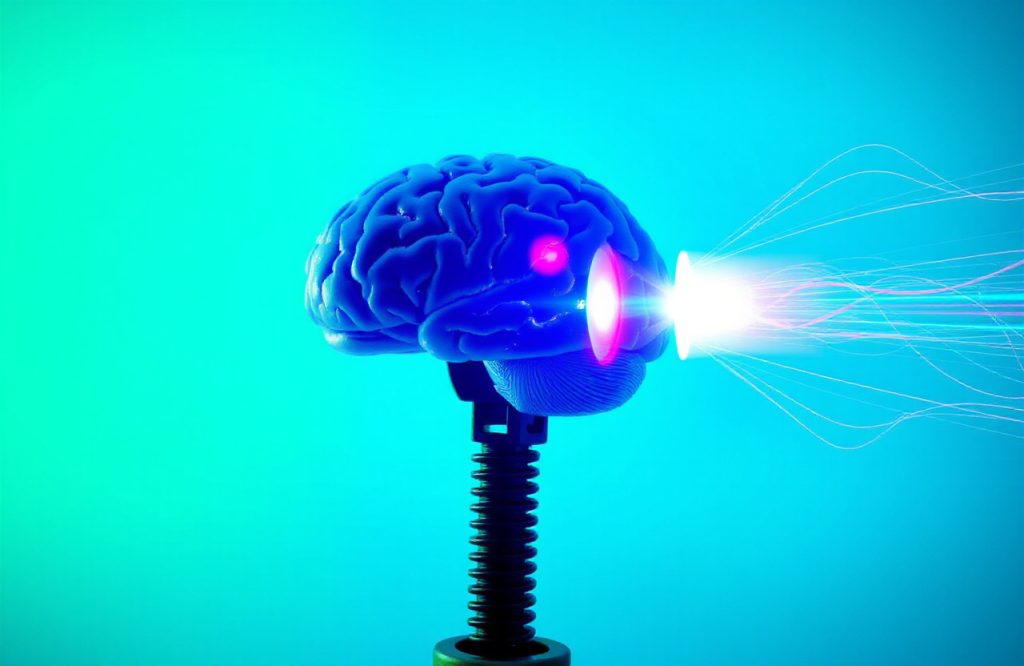
Recent research published in the Journal of Neurotrauma by a team from the University of Saskatchewan, Canada, has introduced a novel repetitive transcranial magnetic stimulation (rTMS) therapy. This innovative approach generates diffused, low-intensity magnetic stimulation targeting deep cortical and subcortical brain areas.
Mechanism of Action
The non-invasive therapy involves delivering a series of short magnetic pulses aimed at stimulating nerve cells in the brain. These magnetic pulses enhance the functioning of brain circuits affected by concussion.
Animal Testing Results
In preliminary studies, researchers examined the neuroprotective effects of this magnetic stimulation therapy on mice that had experienced repeated concussions. The treatment consisted of 20-minute sessions, administered once daily for four days. Results indicated significant improvements in the cognitive and motor functions of the treated mice, as demonstrated through various tasks, including open field exploration, rotarod tests, and novel location recognition. Notably, the therapy also helped restore the normal functioning of the mice’s body clocks, which can be disrupted by concussions.
Future Directions and Implications
This groundbreaking research offers promising insights into potential treatments for post-concussion symptoms. The therapy is characterized by its portability, non-invasive nature, and affordability. The research team plans to conduct longer-term studies on rodents, followed by clinical trials to further evaluate its efficacy in humans.
Reference
Sekar et al. Low Field Magnetic Stimulation Restores Cognitive and Motor Functions in the Mouse Model of Repeated Traumatic Brain Injury: Role of Cellular Prion Protein. Journal of Neurotrauma, 2019. Article in press. DOI:10.1089/neu.2018.5918.