Innovative HPV Screening Through Menstrual Blood Testing
Study Overview
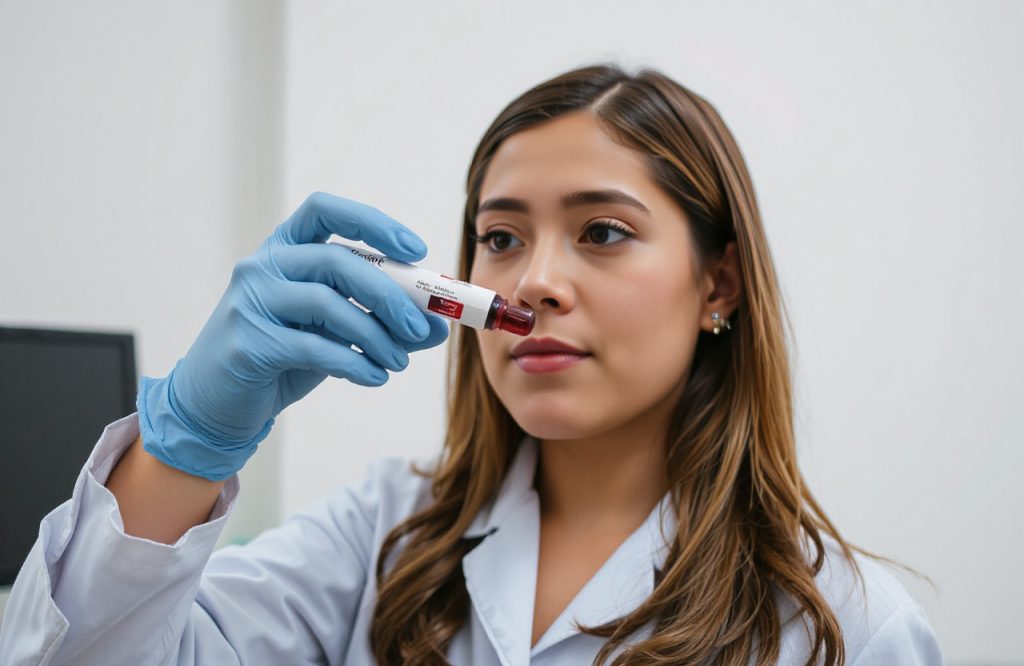
Recent research indicates that testing menstrual blood for human papillomavirus (HPV) could provide a less invasive alternative to the traditional clinician-collected cervical samples. The findings suggest that the accuracy of detecting high-grade precancerous lesions is comparable between menstrual blood samples and standard cervical samples.
Benefits of Self-Collection
Self-collection of samples during menstruation may reduce barriers to cervical cancer screening. This approach offers a noninvasive and more convenient option, potentially increasing screening rates, especially among individuals who encounter challenges related to access, comfort, or privacy with conventional screening methods.
Understanding HPV and Cervical Cancer
HPV is a prevalent and often asymptomatic infection that affects both males and females. Although most infections resolve on their own, certain high-risk strains are linked to cervical cancer. Cervical cancer ranks as the fourth most common cancer among women, underscoring the importance of routine cervical cancer screening for individuals with a cervix.
Current Screening Recommendations
Health experts recommend that individuals aged 30 to 65 undergo cervical cancer screening using an HPV test every five years. This test involves examining cervical cell samples for HPV strains capable of causing cell changes.
Barriers to Traditional Screening
Despite the importance of screening, numerous barriers can deter individuals from attending appointments. These may include pain and discomfort, embarrassment, past negative experiences, trauma, or the lack of availability of female practitioners.
Implications of the Study
Published in The British Medical Journal (BMJ), the new study suggests a potential shift in cervical cancer screening practices. It proposes that blood collected using standard sanitary products can accurately detect HPV, potentially providing a noninvasive and convenient alternative with a diagnostic performance closely aligned with existing methods.