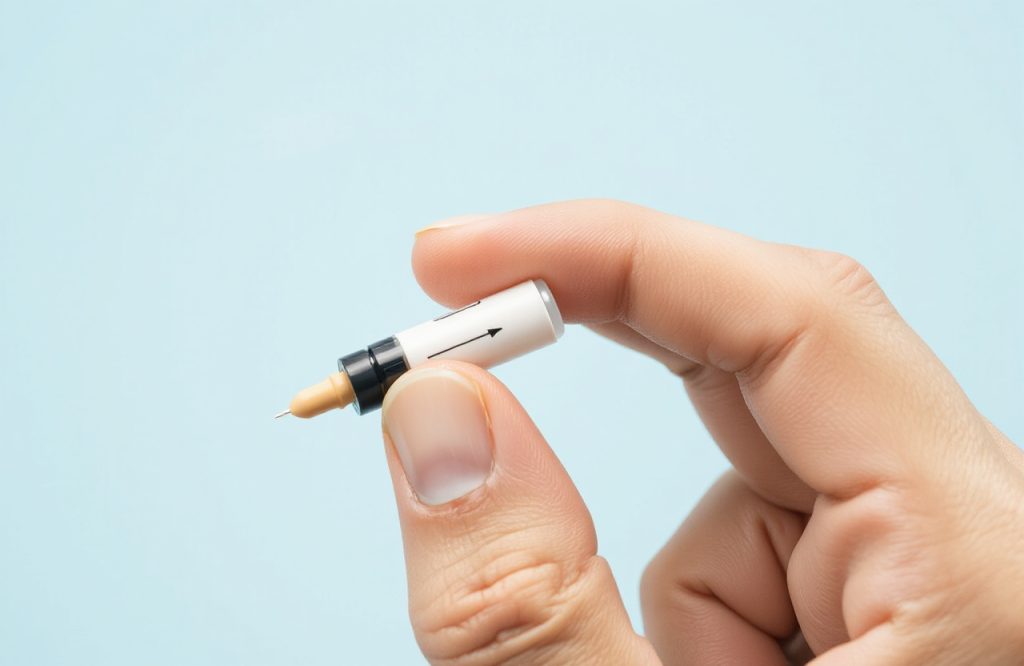
MIT Researchers Develop Innovative Microneedle Pill for Insulin Delivery
The Impact of Diabetes in the United States
Diabetes is a prevalent and costly chronic condition, ranking as the third-leading cause of death in the United States. According to the Centers for Disease Control and Prevention (CDC), over 100 million American adults are currently living with diabetes or prediabetes. The likelihood of developing diabetes increases with factors such as overweight status, obesity, physical inactivity, and a family history of the disease.
Understanding Type 2 Diabetes
Type 2 diabetes is the most common form of the disease, characterized by insulin resistance, where the body does not utilize insulin effectively. Insulin, a hormone produced by the pancreas, is often prescribed to individuals with diabetes. However, taking insulin orally poses challenges, as stomach acids can degrade it before it can be absorbed into the bloodstream. Additionally, some patients may experience pain or allergic reactions from injections.
Breakthrough in Insulin Delivery: The Microneedle Pill
Revolutionary Design and Functionality
In a recent study published in the prestigious journal Science, researchers from the Massachusetts Institute of Technology (MIT) introduced a novel microneedle pill designed to facilitate insulin delivery through the stomach. The design is inspired by the self-orienting capabilities of the leopard tortoise and features a biodegradable needle made of compressed freeze-dried insulin. This needle can withstand external pressures and self-orient rapidly to ensure effective delivery.
Upon ingestion, the sugar casing of the pill dissolves in stomach liquid, prompting the needle to inject the insulin directly into the stomach wall.
Successful Animal Testing
In animal trials, the research team demonstrated the ability to deliver up to 0.5 mg of insulin, which parallels the dosage typically required by a patient with type 2 diabetes through traditional injection methods. After delivering its contents, the pill is designed to harmlessly move through the digestive system.
Future Implications and Further Research
This groundbreaking research not only presents a promising approach for oral insulin delivery but also holds potential for other protein-based medications that currently require injection. Additional studies are necessary to explore the long-term effects of daily gastric injections.
Reference
Abramson, A. et al. An ingestible self-orienting system for oral delivery of macromolecules. Science, 2019; 363(6427): 611-615. DOI: 10.1126/science.aau2277.
Photo Credit
Felice Frankel, available at [EurekaAlert](https://www.eurekalert.org/multimedia/pub/191899.php?from=419488).