New Technology for Detecting Pregnancy Complications
Overview of Pregnancy Complications
Recent studies indicate a rising trend in pregnancy and childbirth complications among adult women in the United States from 2014 to 2018. This increase is attributed to a higher number of women entering pregnancy with pre-existing conditions and advancing maternal age. Common pregnancy complications include high blood pressure, gestational diabetes, infections, preeclampsia, preterm labor, depression and anxiety, miscarriage, and stillbirth.
The Role of the Placenta in Pregnancy Complications
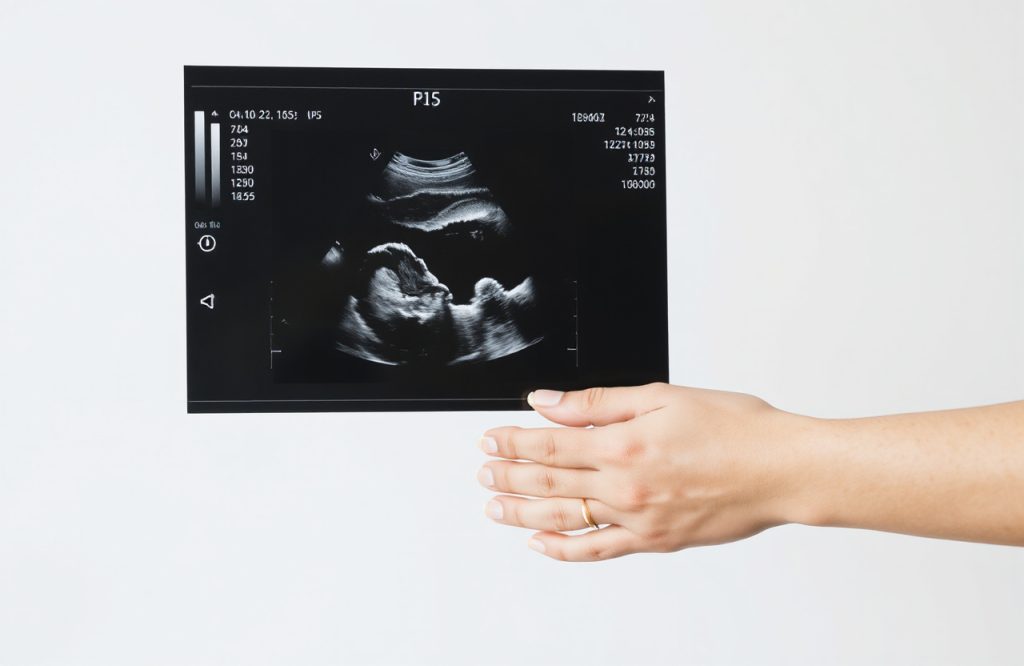
Many pregnancy complications stem from issues related to the placenta. Researchers suggest that placental problems may contribute to long-term health conditions in adults, such as cardiovascular disease, diabetes, and obesity. The placenta serves multiple essential functions during pregnancy, growing within the uterus and delivering oxygen and nutrients to the fetus while removing waste products. However, studying the placenta poses challenges for medical professionals, as most research occurs postnatally or in animal models. The prevalent non-invasive method for examining the placenta during pregnancy is ultrasound imaging, which effectively assesses placental size, location, and potential damage but lacks specificity regarding placental oxygenation, a crucial factor for fetal health.
Developing a Non-Invasive Solution
To address these limitations, scientists from the National Institutes of Health have introduced near-infrared spectroscopy (NIRS) as a potential non-invasive diagnostic tool for assessing placental oxygenation. They designed a prototype device that utilizes NIRS technology to monitor oxygen levels in the placenta, with findings published in the journal Biomedical Optics Express. The prototype is made from flexible materials, allowing it to be placed on the skin. It comprises six LED lights and two photodiodes that convert light signals into electrical currents, enabling the detection of low-intensity light. The collected data is wirelessly transmitted to a computer or smartphone.
Challenges in Measuring Placental Oxygenation
A significant challenge in using the NIRS device is the placement of the placenta, which typically attaches to either the anterior or posterior wall of the uterus. The distance the light travels varies based on tissue thickness, limiting the NIRS device’s applicability to anterior placentas.
Testing the NIRS Device
Following the prototype’s development, researchers conducted tests under various conditions to simulate different skin colors and tissue thicknesses. The device was also evaluated on two human subjects at multiple body locations, with the resulting data mathematically analyzed to assess oxygen levels. Each measurement was taken three times to ensure accuracy.
Measuring Blood Oxygen Levels with NIRS
After validating the device, a small study involving 12 pregnant women was carried out. Blood oxygen levels were measured using a pulse oximeter and ultrasound, while skin, fat, and uterine tissue thickness were recorded at different placental locations. The NIRS device was positioned on the abdomen for thirty seconds, capturing continuous measurements to produce an average of fifteen data points.
Participants were categorized into two groups based on their medical histories: those with complicated pregnancies and those without. The researchers analyzed the NIRS data to compare oxygen measurements with traditional methods and evaluate the correlation between oxygen levels and pregnancy risks. The NIRS device demonstrated accuracy in measuring oxygen levels in anterior placentas, with the uncomplicated pregnancy group exhibiting higher oxygen levels compared to the complicated group. Furthermore, patients with placental lesions showed significantly lower oxygen levels than those without.
Future Implications and Recommendations
The study authors express optimism regarding the potential of the NIRS device for measuring placental oxygen levels. However, due to the small sample size of the study, further research involving a larger cohort is recommended to enhance the findings.