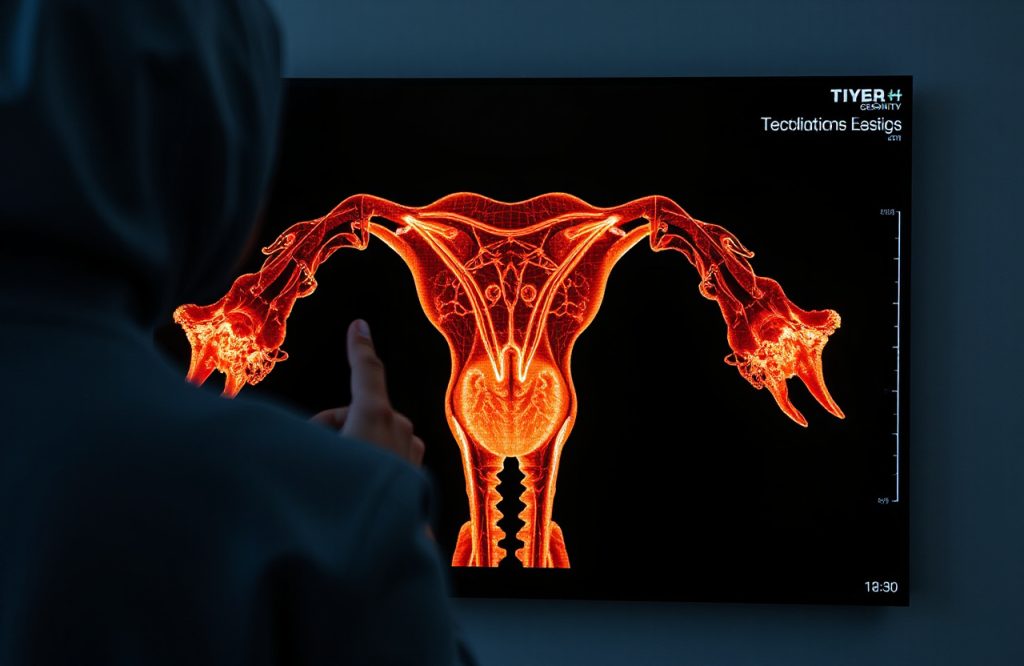
Non-Invasive Screening Methods for Endometrial Cancer
Overview of Endometrial Cancer Detection
Recent research has focused on non-invasive techniques for screening and detecting endometrial cancer in women. Traditionally, the anatomical location of the endometrium necessitated invasive procedures for accurate diagnosis. However, advancements in biotechnology have introduced non-invasive alternatives that allow for early detection, which is crucial for improving treatment outcomes for cancer patients.
The Importance of Early Detection
Early detection plays a vital role in the effectiveness of cancer treatments. A study from Spain, published in the International Journal of Cancer, investigates non-invasive methods for screening endometrial cancer, emphasizing their significance in women’s health.
Study Criteria for Optimal Detection
The study evaluated various screening methods based on two primary criteria: the ability to identify disease precursors and the feasibility of a cost-effective, non-invasive procedure. Researchers gathered data on multiple gynecological techniques for detecting cancerous endometrial cells, reviewing past research publications.
Methods of Detection Assessed
The following sampling methods were analyzed in the study:
– Pap smear
– Tao brush
– Cervical scrapings
– Endocervical swabs
– Vaginal swabs
– Cervicovaginal secretions
– Tampons
The researchers successfully collected over 1,600 samples from 500 women.
Findings on Detection Methods
The pap smear exhibited a sensitivity of 45%, presenting challenges in differentiating between benign conditions and endometrial cancer. An alternative method using cervical scrapings assessed levels of cancer antigens, while the Tao brush method utilized endometrial samples. When combined with the sequencing technology known as PapSEEK, the Tao brush method yielded a 93% success rate in cancer identification. Despite its potential, barriers such as cost and low insertion rates remain significant obstacles.
Vaginal Tampons as a Sampling Option
Vaginal tampons present another low-cost, non-invasive sampling option for endometrial cancer detection; however, they are only suitable for women experiencing bleeding symptoms. Depending on individual circumstances, these non-invasive methods could provide valuable early indicators of endometrial cancer.
Implications for Non-Invasive Procedures
The sampling methods explored in this study may pave the way for medical professionals to adopt non-invasive procedures for endometrial cancer screening. The authors suggest that innovative technologies employing these methods could particularly benefit women with a genetic predisposition to endometrial cancer. While invasive procedures have historically provided greater specificity, the findings of this study indicate that non-invasive technologies could facilitate earlier detection and expedite treatment for a broader range of women.
Conclusion
In summary, the implementation of non-invasive technologies in the screening process for endometrial cancer holds promise for improving early detection rates and treatment timelines for women at risk.
References
Costas, L., Frias-Gomez, J., Guardiola, M., Benavente, Y., Pineda, M., Pavón, M. Á, . . . De Sanjosé, S. (2019). New perspectives on screening and early detection of endometrial cancer. International Journal of Cancer. doi:https://doi.org/10.1002/ijc.32514
Idibell_en. (n.d.). Molecular analysis could improve the early detection and prevention of endometrial cancer. Retrieved from https://www.eurekalert.org/pub_releases/2019-06/ibri-mac061719.php