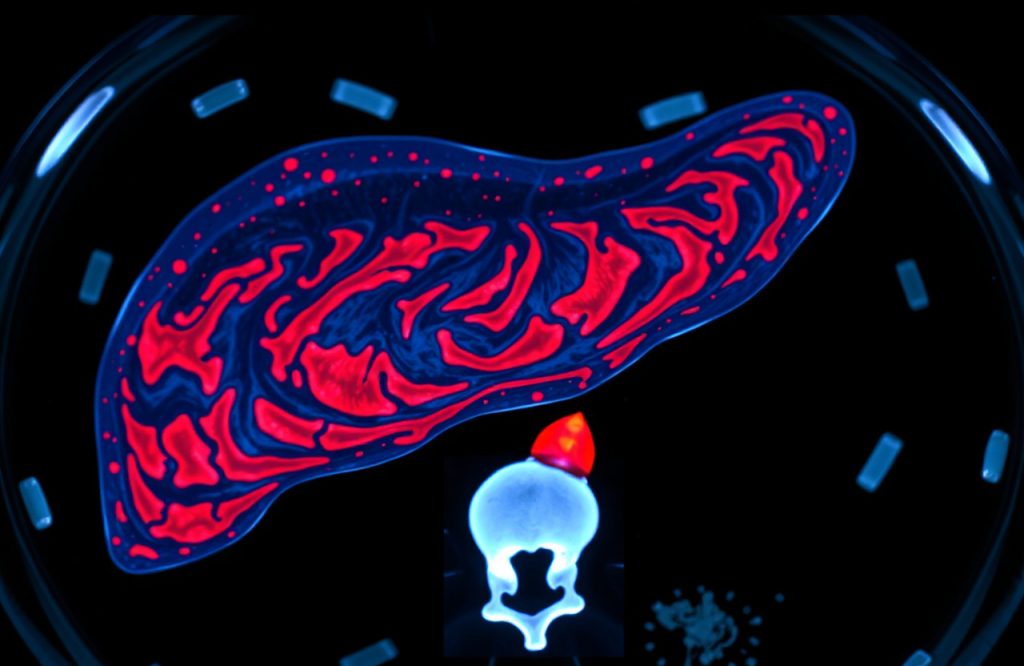
Transient Elastography and Fatty Liver Disease in Hemodialysis Patients
Overview of Liver Disease in Hemodialysis Populations
Recent findings from a large screening using transient elastography indicate that patients undergoing hemodialysis have an elevated risk of developing fatty liver disease and fibrosis. Within this demographic, non-alcoholic fatty liver disease (NAFLD) appears to be a significant contributor to fibrosis.
Understanding Non-Alcoholic Fatty Liver Disease (NAFLD)
Liver disease can manifest in various forms, with steatosis, or fat accumulation in the liver, being the most prevalent. NAFLD, which is not related to alcohol consumption, affects approximately 15-40% of the global population. Among those with NAFLD, 20-30% experience nonalcoholic steatohepatitis (NASH), characterized by an inflammatory response that leads to fibrosis. A concerning 10-20% of NASH cases may progress to cirrhosis, resulting in chronic liver damage and increasing the risk of hepatocellular carcinoma, often related to hepatitis infections, excessive alcohol intake, or NASH. NAFLD is recognized as a liver manifestation of metabolic syndrome, which shares several risk factors that are frequently observed in dialysis patients. Consequently, individuals with end-stage renal disease (ESRD) on hemodialysis are expected to exhibit a high prevalence of NAFLD.
Utilizing FibroScan for Liver Assessment
To assess advanced fibrosis and cirrhosis, the FibroScan device has become a preferred tool among medical professionals. This device employs transient elastography (TE), a non-invasive technique that utilizes sound waves to evaluate liver stiffness. This method is similar to seismology and effectively identifies advanced fibrosis and cirrhosis. Additionally, FibroScan measures ultrasound attenuation caused by hepatic fat, referred to as the controlled attenuation parameter (CAP), providing an accurate estimate of liver fat content.
Aim of the Study and Methodology
Given the uncertainty surrounding the prevalence of NAFLD in hemodialysis patients, a novel study published in Science Reports aimed to determine the incidence of liver fibrosis in ESRD patients undergoing hemodialysis. The study involved 659 chronic hemodialysis patients, comprising 51.8% women, with a mean age of 61.9 ± 11.8 years and an average body mass index (BMI) of 22.3 ± 3.4 kg/m². Key findings included an average liver stiffness measurement (LSM) of 5.9 kPa, with 50.5% of participants exhibiting hepatic steatosis and 24.1% testing positive for viral serologies (either HBsAg positive, anti-HCV positive, or both). Patients with excessive alcohol intake or LSM failures were excluded from the study.
Key Findings and Implications
The study revealed that steatosis was present in 50.5% of participants, while 24.1% had hepatitis B or C, and 22.6% had an LSM of ≥ 8.0 kPa. The authors concluded that male hemodialysis patients who are obese, exhibit elevated aspartate aminotransferase (AST) levels, and have lower albumin, creatinine, and platelet levels are at a heightened risk for fibrosis. This suggests that NAFLD could serve as a key indicator of clinically relevant fibrosis in hemodialysis populations.
Study Limitations and Conclusion
One notable limitation of the study is the absence of liver biopsies, which are the gold standard for evaluating liver fibrosis. To address this, the authors utilized the Fibrosis 4 calculator (FIB-4) as a comparator for clinically relevant fibrosis. A FIB-4 score of ≥ 2.67, recommended by the European Association for the Study of the Liver (EASL), was employed as a surrogate gold standard for assessing clinically relevant fibrosis.
Author Information
Written By: Kenneth Dominguez, PhD