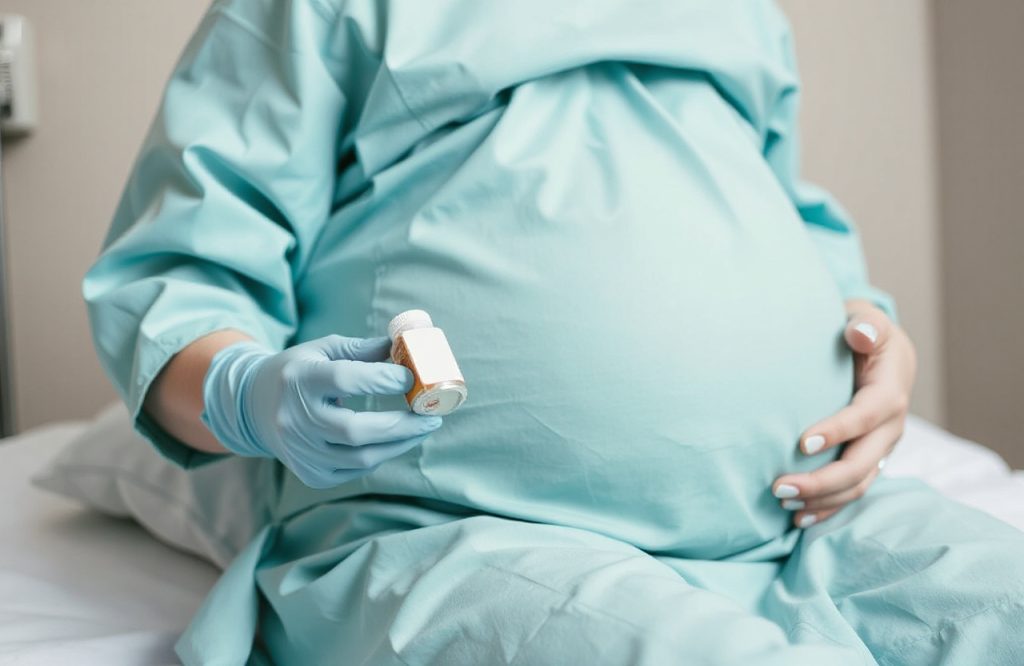
Comparison of Pethidine and Remifentanil for Pain Relief During Childbirth
Options for Pain Relief in Labor
During childbirth, women have various options for managing pregnancy pain. One common choice is pethidine, an opioid administered via injection. In the United Kingdom alone, over a quarter of a million women utilize pethidine annually, which is also practiced globally. However, pethidine has potential side effects, including the transfer from placenta to fetus, and its effectiveness can vary significantly among individuals. Approximately one-third of women receiving pethidine may still require an epidural for adequate pain relief, which can further complicate labor due to its own side effects, such as prolonged labor.
Introducing Remifentanil Patient-Controlled Analgesia
An alternative method for pain management is remifentanil patient-controlled analgesia (PCA), which is delivered intravenously. Remifentanil PCA offers advantages like rapid onset but is infrequently used in the UK, and research comparing its effectiveness to pethidine remains limited. To address this gap, researchers initiated a large-scale trial to determine whether remifentanil PCA could reduce the need for epidurals compared to pethidine. The findings of this study were published in The Lancet.
Study Design and Methodology
The randomized controlled trial involved 14 maternity units across the UK that routinely administered intramuscular pethidine to pregnant women. Remifentanil PCA was also offered based on specific criteria. Participants were randomly assigned to either the remifentanil or pethidine group. Researchers monitored various parameters, including pain levels until an epidural was requested, delivery occurred, or transfer to a theater was necessary. Additional observations included measurements of oxygen levels and respiratory rates.
Results of the Trial
Out of 401 women, 201 were assigned to receive remifentanil and 200 to pethidine, although one withdrew from the pethidine group. In the end, 186 women in the remifentanil group utilized the drug, while 154 in the pethidine group did the same. The results showed that only 19% of women in the remifentanil PCA group required an epidural, compared to 41% in the pethidine group, indicating a nearly 50% reduction in epidural requests among those receiving remifentanil.
While episodes of respiratory depression were rare and similar between both groups, more women in the remifentanil PCA group experienced low oxygen saturation and required supplementary oxygen. In contrast, women receiving pethidine were more likely to need antiemetic medication for nausea. Additionally, instrument-assisted delivery was less common in the remifentanil group, and rates of cesarean sections were comparable across both groups. Overall, pain relief was reported to be greater in the remifentanil PCA group.
Limitations of the Study
The authors acknowledged several limitations in their study, including the inability to blind patients and staff to the treatment assignments. Questions regarding the dosing of remifentanil PCA were raised, although a standard dose was utilized. Variability in the administration of antiemetics with pethidine at some centers may have affected the observed lower rates of antiemetic use in the remifentanil group. A larger sample size would be beneficial to further validate these findings, particularly concerning rare adverse events.
Conclusion
The study suggests that remifentanil PCA may provide significant advantages in labor pain relief, particularly in reducing the need for epidurals and instrument-assisted deliveries compared to pethidine.
Written by Olajumoke Marissa Ologundudu B.Sc. (Hons)
Reference: Wilson MJA, MacArthur C, Hewitt CA, Handley K, Gao F, Beeson L, Daniels J; RESPITE Trial Collaborative Group. Intravenous remifentanil patient-controlled analgesia versus intramuscular pethidine for pain relief in labour (RESPITE): an open-label, multicentre, randomised controlled trial. Lancet. 2018;392:662–72. doi: http://dx.doi.org/10.1016/S0140-6736(18)31613-1