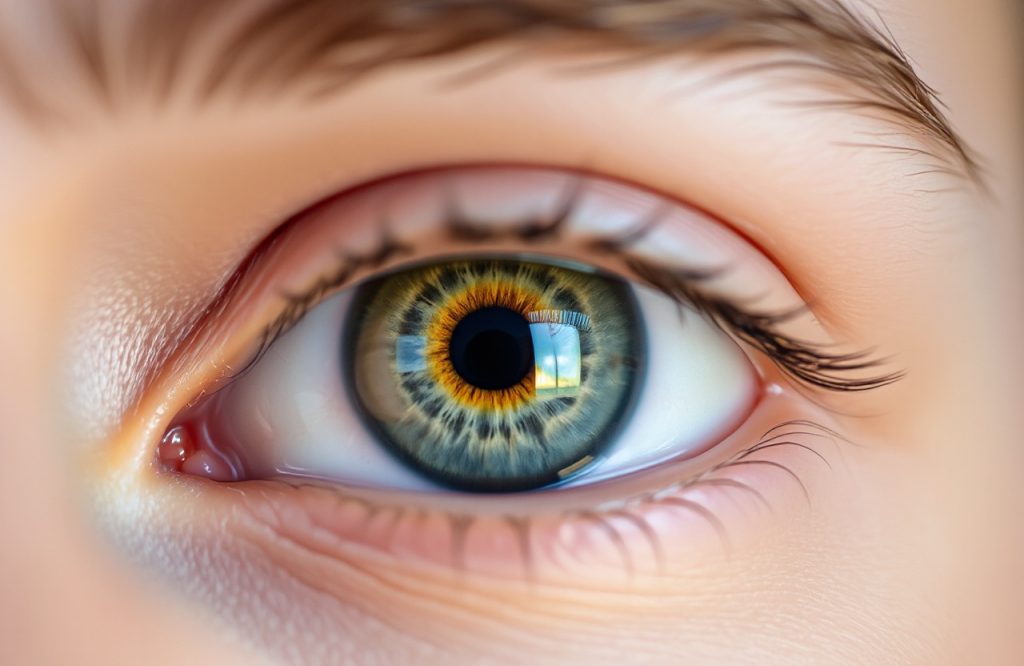
Innovative Research on Smart Contact Lenses for Glucose Monitoring
Overview of Wearable Electronics
A team of researchers in Korea has unveiled their findings on wearable soft smart contact lenses designed for real-time glucose monitoring through tears. Wearable electronics are devices that can be worn or are in contact with the body, enabling continuous monitoring of individual activities without restricting user movement. Common examples include smart wristbands, smart glasses, e-skin, and robotic exoskeletons.
Advancements in Smart Contact Lenses
Recently, there has been significant interest in smart contact lenses that incorporate embedded electronics. The cutting-edge research and development in this field aim to minimize device size, enhance the measurement of vital signs, and ensure reliable data transmission via the internet. To improve user comfort, these wearable devices can be manufactured using transparent, flexible ultrathin films that adhere to the human body.
Challenges in Developing Smart Contact Lenses
Despite the potential of smart contact lenses, several challenges remain. The use of opaque materials for sensors, antennas, and integrated circuits can obstruct vision. Additionally, the combination of rigid electronics with soft lenses may pose risks of damaging the cornea or eyelid. Therefore, it is crucial for smart contact lenses to be both transparent and soft to ensure safety, comfort, and usability.
Research Methodology and Findings
To address these challenges, the South Korean research team employed a rapid modeling approach, photolithography technology, and an evaporation metallization technique. They successfully embedded a glucose sensor, LED pixel, rectifier circuit, and antenna into a mechanically stress-tunable hybrid smart lens. The resulting contact lens is made from a soft, highly transparent elastomer featuring a mechanically reinforced island for discrete electronic components and an elastic joint for a flexible antenna and interconnected electrodes.
This nanostructured smart contact lens demonstrated reliable operation in an artificial tear solution, even under mechanical stress. It effectively responded to glucose level changes while displaying the information via the LED pixel. The researchers also conducted tests on a rabbit’s eye, successfully monitoring glucose levels wirelessly without causing harm to the subject.
Publication and Implications
The findings of this research were published in Science Advances. This groundbreaking study paves the way for the future of smart contact lenses, offering a noninvasive and comfortable method for monitoring glucose levels in human tears. Such advancements could significantly benefit individuals with diabetes and those at risk, potentially replacing traditional invasive blood glucose testing methods.
Reference
Park, J.H., et al. 2018. Soft, smart contact lenses with integrations of wireless circuits, glucose sensors, and displays. Science Advances, 4(1), eaap9841. DOI 10.1126/sciadv.aap9841.