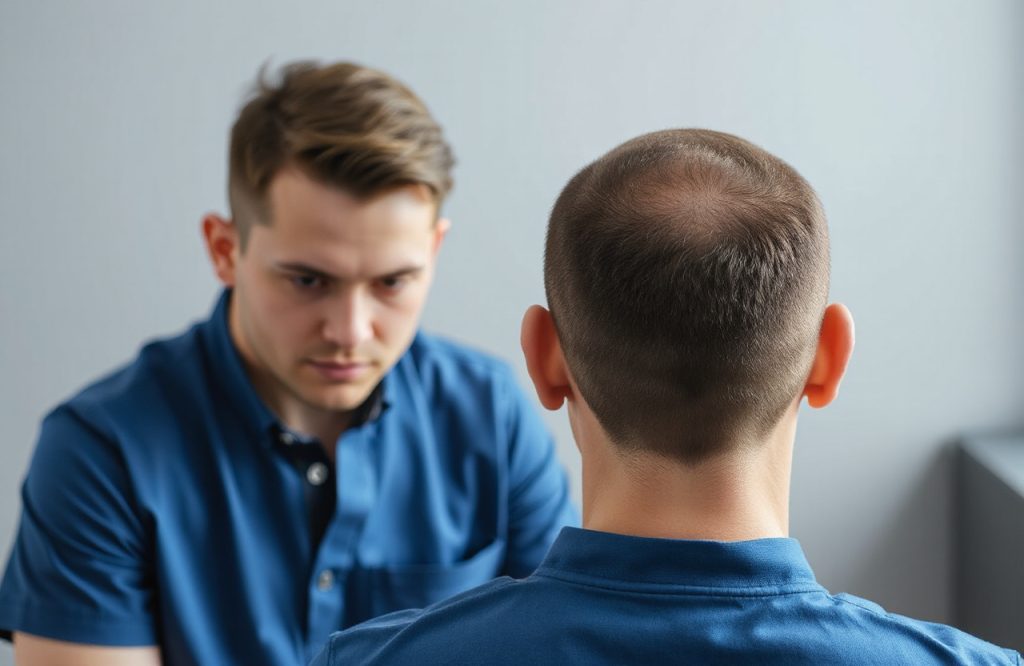
Stem Cell Treatment for Hair Loss: Recent Findings
Prevalence of Hair Loss
Recent research has explored the effectiveness of stem cell treatment for hair loss, yielding promising results. Hair loss affects nearly 50% of men and 45% of women over the age of 50, commonly known as male or female pattern baldness. While hair loss is not life-threatening, it can significantly diminish the quality of life for those affected. Existing treatments may come with side effects, including impacts on libido and potential erectile dysfunction.
Research Study Overview
Researchers in South Korea conducted a study to examine the efficacy of stem cells derived from adipose (fatty) tissue in treating hair loss, with findings published in the journal Stem Cells Translational Medicine. The study utilized adipose tissue-derived stem cells, previously shown to promote hair cell growth.
Study Participants and Methodology
A total of thirty-four patients participated in the study, with twenty-nine being male. The participants were randomly assigned to two groups: one received a solution containing 1% stem cells, while the other group received a placebo solution of distilled water. Both solutions were indistinguishable in color and odor, ensuring that neither the patients nor the researchers were aware of the treatment being administered.
Prior to treatment, an initial assessment of the patients’ hair loss was conducted. Each patient was instructed to massage 2mL of their assigned solution into their scalp twice daily for a duration of 16 weeks. Assessments of hair loss were performed at both the 8-week and 16-week marks.
Assessment and Results
Throughout the study, researchers took photographs of the patients’ scalps during each visit to compare the effectiveness of the treatment. Additionally, patients conducted self-assessments regarding their hair loss, while objective measures of hair count and diameter were also recorded.
Results indicated that patients receiving the stem cell treatment experienced a 28% increase in hair count and a 14% increase in hair diameter compared to those on the placebo. Furthermore, visual assessments conducted by researchers showed higher ratings for the stem cell group.
Although self-assessment scores from patients receiving stem cell treatment were slightly improved, the increase was not statistically significant. This may be attributed to the subjective nature of self-evaluation, the treatment duration, or discrepancies between patient expectations and actual outcomes.
Safety and Future Implications
Importantly, patients did not report any serious side effects from the stem cell treatment. Researchers express optimism that this treatment could be utilized in conjunction with existing hair loss therapies or serve as a viable alternative.