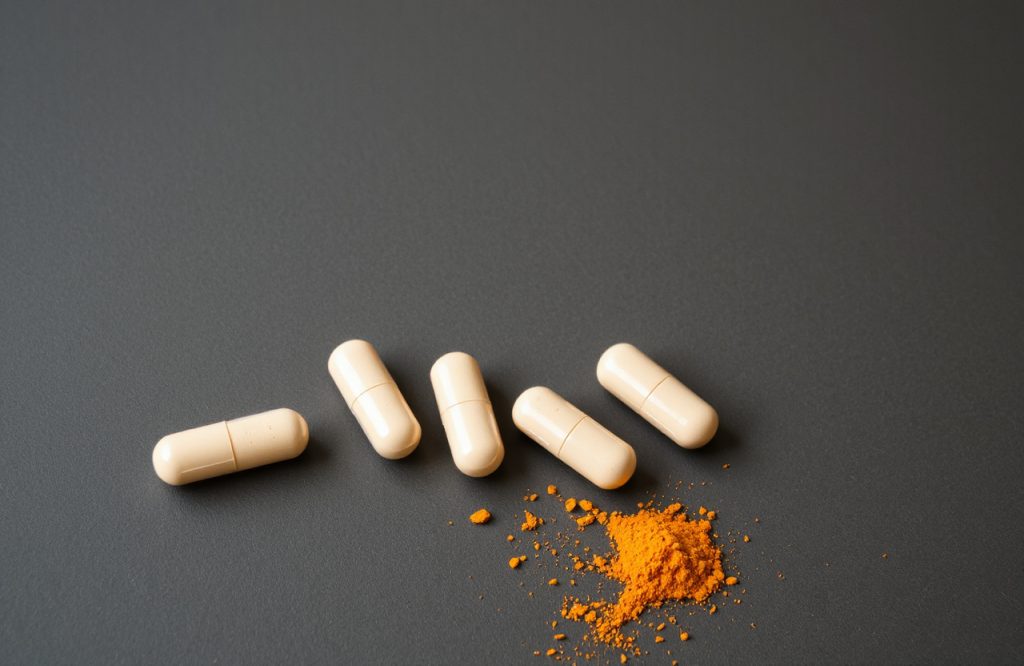
Exploring Turmeric as an Alternative to Traditional Chemotherapy for Bone Cancer
Overview of Bone Cancer and Treatment Challenges
Recent research has focused on the potential of turmeric as a substitute for conventional chemotherapy in treating bone cancer. While most cancer types predominantly affect older adults, osteosarcomas, the most prevalent form of bone cancer, primarily impact children and adolescents. Chemotherapy is a common treatment option for bone cancer due to the challenges associated with surgically removing tumors from bone tissue. Despite its effectiveness, chemotherapy can lead to numerous adverse side effects.
Turmeric and Its Active Ingredient: Curcumin
Recent studies have begun to explore alternative treatments with fewer toxic effects, such as turmeric, a spice frequently utilized in culinary applications. The active compound in turmeric, curcumin, possesses anti-inflammatory, antioxidant, and bone-building properties.
Research Study on Curcumin and Bone Cancer
A study conducted by Washington State University, published in the journal ACS Applied Materials and Interfaces, investigated the impact of curcumin on bone cancer. Curcumin is not readily absorbed by the body when taken orally, prompting researchers to enhance its bioavailability by encapsulating it within a liposome—fat molecule vesicles—and incorporating this liposome into a calcium phosphate scaffold. This scaffold was used to create bone implants administered to bone cancer patients. A control group received standard bone implants without curcumin.
Study Findings and Implications
After a period of 11 days, the bone implants containing curcumin demonstrated a remarkable 96 percent reduction in osteosarcoma cell growth compared to the untreated bone implants. Furthermore, the curcumin-infused implants promoted the proliferation of healthy bone cells. In contrast, traditional chemotherapy drugs, which are often potent, can negatively impact the formation of new, healthy bone tissue.
Future Research and Considerations
This study indicates that compounds derived from turmeric may hold promise in cancer treatment. However, further investigation is necessary to ascertain whether this effect is causative and to evaluate curcumin’s effectiveness compared to conventional chemotherapy options. It is crucial not to assume that turmeric alone can halt cancer cell growth; cancer patients should receive tailored treatment from their healthcare providers. Nonetheless, turmeric remains a flavorful and nutritious addition to meals, offering potential as an exciting advancement in medical research.
References
Bone cancer. (2018, April 25). Retrieved June 25, 2019, from https://www.mayoclinic.org/diseases-conditions/bone-cancer/symptoms-causes/syc-20350217
Sarkar, N., & Bose, S. (2019). Liposome-Encapsulated Curcumin-Loaded 3D Printed Scaffold for Bone Tissue Engineering. ACS Applied Materials and Interfaces, 11, 17184-17192. doi:10.1021/acsami.9b01218
Image by Steve Buissinne from Pixabay