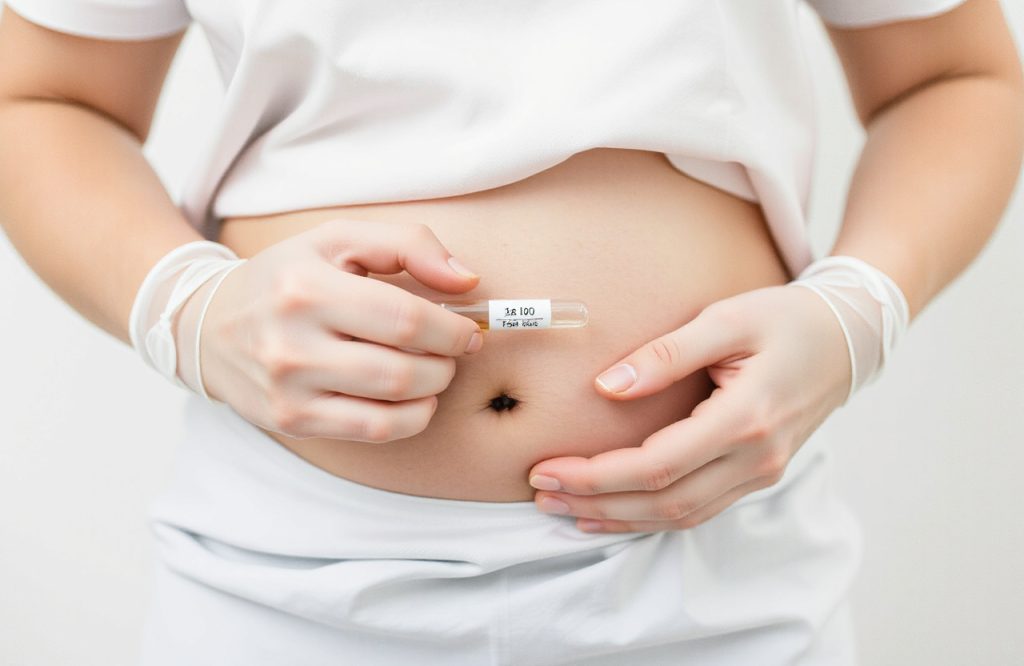
Preeclampsia: A Serious Pregnancy Condition
Overview of Preeclampsia
Preeclampsia poses significant risks to both mothers and their babies. Researchers at Ohio State University have found that a straightforward urine test could facilitate the rapid diagnosis of this condition. Preeclampsia is one of the most dangerous pregnancy-related disorders, with symptoms that may include high blood pressure, elevated protein levels in urine (proteinuria), and signs indicating potential liver or kidney issues. It impacts approximately 8% of pregnancies in the United States and accounts for 13% of maternal deaths worldwide. Furthermore, preeclampsia is the leading cause of premature births.
Challenges in Diagnosis
Diagnosing preeclampsia can be challenging, as it often develops without noticeable symptoms. Typically emerging after the 20-week mark of pregnancy, untreated preeclampsia can result in severe complications for both mothers and their babies. If undetected, it can progress to eclampsia, characterized by seizures and coma, with potentially fatal consequences. When there is even a suspicion of preeclampsia, it is common for healthcare providers to induce labor, leading to premature deliveries. This raises concerns about increased risks of chronic health issues in newborns, including learning disabilities, blindness, and cerebral palsy.
The symptoms of preeclampsia can often mimic normal pregnancy signs, such as headaches and swelling, complicating diagnosis. Additionally, the disease is progressive, with varied timelines for symptom emergence among different women.
Innovative Diagnostic Test Development
Research at Ohio State University
In an effort to reduce mortality rates associated with preeclampsia, researchers at The Ohio State University College of Medicine, along with The Ohio State University Wexner Medical Center and Nationwide Children’s Hospital, have focused on improving diagnostic methods. They developed a rapid, non-invasive, and cost-effective diagnostic test known as the Congo Red Dot (CRD) paper test. This test operates on the principle that proteins found in the urine of women with preeclampsia bind to Congo red dye, producing a visible red mark on the test paper.
Clinical Study and Results
A clinical study was conducted with 346 pregnant women being evaluated for high blood pressure and potential preeclampsia. Each participant underwent the CRD test, which provides results at the bedside within three minutes. Trained clinical research nurses analyzed the results, and healthcare providers made final diagnoses based on these findings. It was anticipated that pregnant women with preeclampsia would show a positive CRD test result.
The study revealed that out of the 346 women, 89 were diagnosed with preeclampsia. As a result of their diagnosis, 79% were induced, with deliveries occurring on average at 33 weeks of gestation. The CRD test demonstrated an accuracy rate of 86%, significantly outperforming existing biochemical diagnostic tests.
Implications for Global Health
The findings suggest that the CRD test is a simple and effective point-of-care diagnostic tool for swiftly identifying preeclampsia. This non-invasive test has the potential to enhance the health outcomes for pregnant women and their infants, not only in developed nations but also in underdeveloped regions where healthcare resources are limited. Consequently, this urine test could have a profound impact on the global health of women and children.
References
Research finds simple urine test allows for rapid diagnosis of preeclampsia. EurekAlert website https://www.eurekalert.org/pub_releases/2019-03/m-rfs031319.php. Accessed March 24, 2019.
Kara M. Rood, Catalin S. Buhimschi, Theresa Dible, Shaylyn Webster, Guomao Zhao, Philip Samuels, Irina A. Buhimschi. Congo Red Dot Paper Test for Antenatal Triage and Rapid Identification of Preeclampsia. EClinicalMedicine, 2019; DOI: 1016/j.eclinm.2019.02.004.