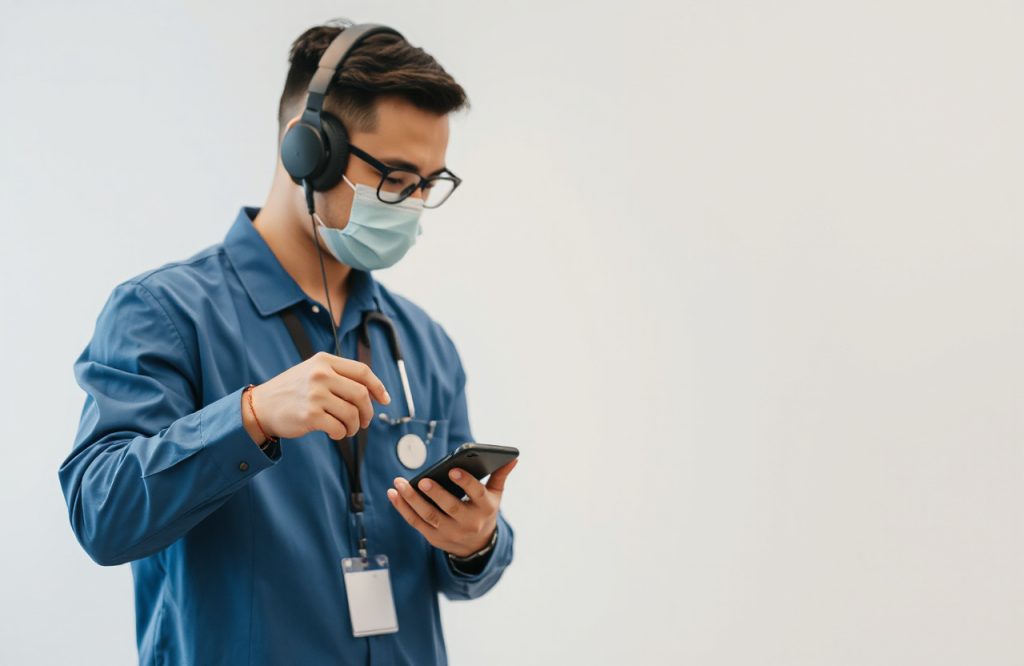
Study on Wearable Devices and COVID-19 Detection
Research Overview
A research team from Mount Sinai conducted a study to explore whether COVID-19 could be detected prior to a confirmed diagnosis by tracking the physiological data of healthcare workers through wearable devices. Devices like Apple Watches offer critical insights into the wearer’s health, including sleep patterns, heart rate, and the functioning of the nervous system.
Heart Rate Variability as an Indicator
Heart rate variability (HRV) can be monitored using wearable devices, revealing changes in circadian patterns that reflect the functioning of the autonomic nervous system. Previous studies have indicated that low HRV may signal an infection. To investigate the potential of HRV as a predictor of COVID-19 infection, nearly 300 healthcare workers from Mount Sinai Health Systems participated in an observational study.
Study Methodology
Each participant wore an Apple Watch to track their HRV and completed daily surveys to report symptoms and infections. Data collection was facilitated through a specialized app known as the Warrior Watch Study App. The study revealed notable differences in circadian rhythms and HRV between individuals who tested positive for COVID-19 and those who did not. Variations were also observed on days when participants reported symptoms as well as on asymptomatic days.
Diagnosis and Findings
The standard method for diagnosing SARS-CoV-2 involves a nasal PCR (polymerase chain reaction) swab. The researchers concluded that HRV metrics could effectively identify COVID-19 infections and related symptoms. However, the study had limitations, including a small percentage of participants testing positive for COVID-19, which may introduce bias. Furthermore, all data were self-reported, raising concerns about reliability.
Implications for Healthcare Workers
The findings of this study hold significant potential for individuals lacking access to COVID-19 testing or awaiting results. With the continued high demand for COVID-19 testing, wait times may be extended, and tests may be in limited supply. Asymptomatic individuals or those not displaying conventional COVID-19 signs could benefit from monitoring their HRV and other physiological data through wearable devices.
Precautionary Measures for Essential Workers
Essential workers, particularly healthcare professionals who are at a higher risk of contracting COVID-19, may choose to use wearable devices as a precautionary measure. While they are routinely tested, monitoring HRV could serve as an additional preventative strategy. Wearable devices like Apple Watches are relatively accessible and can provide valuable information that may help mitigate the further transmission of the COVID-19 virus.
Related Topics of Interest
– Comparing Wearable Fitness Devices
– Can Wearable Electronics Provide a Real-Time Measurement of Body Activities?
– Can Activity Tracker Apps and Wearable Devices Improve Mental Health Treatment?
– Can Wearable Activity Monitors Help Monitor Cancer Development?
– Do Wearable Defibrillators Save Lives?
– Top Benefits of Wearable Technology in Home-Based Healthcare
– Can Wearable Devices Screen for Depression?
Source
Hirten RP, Danieletto M, Tomalin L, Choi KH, Zweig M, Golden E, Kaur S, Helmus D, Biello A, Pyzik R, Charney A, Miotto R, Glicksberg BS, Levin M, Nabeel I, Aberg J, Reich D, Charney D, Bottinger EP, Keefer L, Suarez-Farinas M, Nadkarni GN, Fayad ZA. Physiological Data from a Wearable Device Identifies SARS-CoV-2 Infection and Symptoms and Predicts COVID-19 Diagnosis: Observational Study. Journal of Medical Internet Research. 29/01/2021:26107 (forthcoming/in press)
Image by Vicki Hamilton from Pixabay