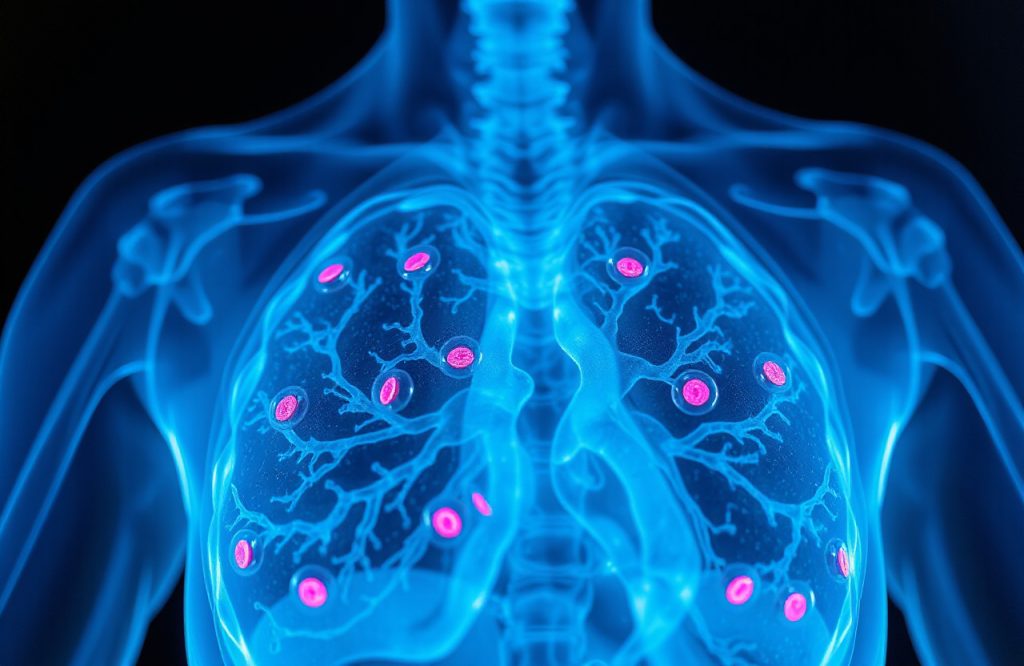
Development of Breast Cancer Organoid Models
Challenges in Breast Cancer Treatment
Researchers are continuously seeking advancements in breast cancer therapies tailored to the unique characteristics of individual tumors. This endeavor is complicated by the need to consider a tumor’s composition, behavior, and the mechanisms that enable its growth and spread. Traditional breast cancer models, often derived from established tumor cell lines or patient samples, are utilized in drug screening to identify effective treatments. However, creating these models can be a lengthy and technically demanding process. Additionally, samples may undergo mutations to adapt to laboratory conditions, complicating the assessment of treatment efficacy.
Innovative Approach in Recent Study
A recent study published in *Cell* introduced a novel methodology for developing patient-derived breast cancer models that retain the essential features of the original tumors. Researchers collected samples from 155 tumors, consisting of both established cell lines and fresh patient-derived samples, to create organoids. Organoids are three-dimensional tissue structures that closely resemble the original organ—in this case, the breast. The study successfully developed 95 organoids that maintained consistency in gene activity, hormone receptor types, and tumor behavior.
Evaluation of Organoids in Drug Screening
To assess the efficacy of these breast cancer organoids as disease models, the researchers conducted drug screening tests. Organoids exhibiting human epidermal growth factor receptor 2 (HER2) were evaluated for their responsiveness to HER2-targeting therapies. The majority demonstrated susceptibility to the treatment, although a few patient-derived organoids did not respond. Furthermore, responses from 12 additional patient-derived organoids expressing the estrogen receptor were tested against the original tumor responses, showing a correlation in outcomes.
Implications for Personalized Medicine
The findings suggest that organoids created through this innovative method could be instrumental in predicting breast tumor responses to targeted therapies. The study also led to the establishment of 107 organoid lines that may facilitate further research in this field. However, to validate their predictive capabilities and suitability for drug screening, clinical trials will be essential. If proven effective, organoid-based drug screening could signify a significant advancement in personalized medicine for breast cancer.
Reference
Sachs, N. et al. (2017). A Living Biobank of Breast Cancer Organoids Captures Disease Heterogeneity. *Cell*. DOI: http://dx.doi.org/10.1016/j.cell.2017.11.010
Written by
Raishard Haynes, MBS