Revolutionary Research on Lab-Grown Cancer Organoids
Overview of the Study
A pioneering research study has demonstrated the potential of lab-grown gastrointestinal cancer pieces in predicting outcomes for ongoing clinical trials. Pharmaceutical companies globally invest billions in preclinical and clinical trials, yet a significant percentage of preclinical leads are ultimately abandoned during clinical research. This is largely due to the unique genetic makeup of each patient’s tumor, meaning a treatment effective for one individual may not work for another. Given the lengthy nature of clinical trials, patients often find themselves uncertain about their survival as they participate in trials that may not succeed.
The Promise of Predictive Outcomes
What if there were a way to swiftly predict clinical trial outcomes through a brief parallel lab study? Researchers could conduct simultaneous mock trials on patient-derived biopsies, eliminating drug candidates unlikely to benefit patients. This innovative approach has been realized by a team from the UK, who tested various drug combinations on lab-grown tumor fragments (patient-derived organoids) from gastrointestinal cancer patients undergoing the same treatment in concurrent clinical trials. Their findings were published in the journal Science.
Understanding Lab-Grown Cancer Organoids
What Are Organoids?
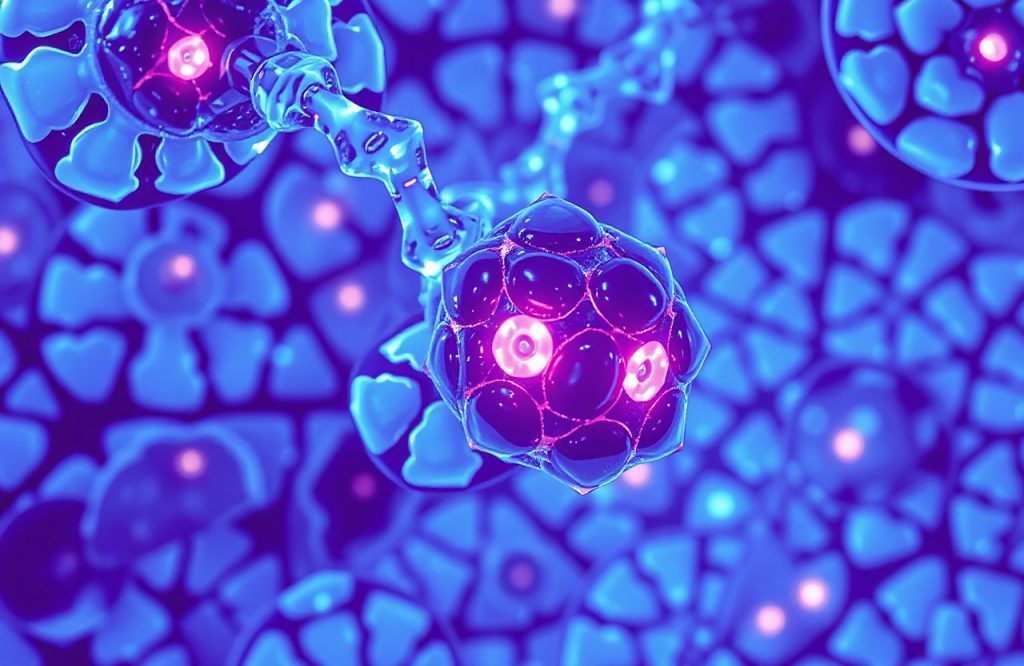
These organoids are three-dimensional tumor fragments cultured in dishes, resembling actual tumors in morphology and genetic structure. They serve as a unique platform for testing new drugs within patient-derived organoids, enabling researchers to make informed decisions regarding treatment regimens for patients with gastrointestinal cancer.
Resemblance to Actual Tumors
Remarkably, lab-grown cancer organoids maintained a strong resemblance to the actual gastrointestinal cancer present in patients throughout growth or remission phases. The genetic and protein abnormalities observed in patient tumors during various clinical stages were mirrored in the lab-grown organoids over time. Furthermore, the genetic and molecular makeup of these organoids reflected the characteristics of gastrointestinal cancer from different anatomical sites. For example, an organoid derived from liver cancer cells displayed a genetic profile nearly identical to the tumor in the liver, while those from colon cancer mirrored tumors in the colon.
Organoid Response and Tumor Prediction
Correlation Between Organoid and Patient Responses
A significant achievement of this study was the correlation between the responses of gastrointestinal cancer organoids to anti-cancer drugs and those observed in patients. Researchers analyzed data from 110 biopsies from 71 patients involved in three clinical trials. In every instance, drugs that failed to aid the patients in clinical settings also showed no effect on the organoids. Additionally, in nearly 90% of cases, drugs that proved effective on the organoids also benefitted the patients. Notably, the resistance to the drug Regorafenib observed in patients was similarly replicated in organoids cultivated in mice.
Implications for Clinical Trials
A Cost-Effective Tool for Personalized Medicine
In the era of personalized medicine, where treatments are tailored to the unique molecular traits of cancers, this technology offers a valuable tool for assessing vulnerabilities in gastrointestinal cancer for individual patients. The organoids maintained the genetic variability typical of the patient population.
Future Potential
With continued research and development, this technology could significantly enhance our capabilities for conducting parallel preclinical studies alongside clinical trials. If adopted effectively, such methodologies could not only advance patient care but also reduce the substantial costs associated with conducting clinical trials.
Author Information
Written by Vinayak Khattar, Ph.D., M.B.A.
Reference
Vlachogiannis, Georgios, et al. “Patient-derived organoids model treatment response of metastatic gastrointestinal cancers.” Science 359.6378 (2018): 920-926.